Pig's blood is a nutritious dish, but for some people, pig's blood can turn into "poison", seriously affecting health, and can even make illness worse and become critical.
Uses of pig blood
Although animal organs, especially those of pigs, are not recommended for consumption, as they can be the main cause of extremely dangerous streptococcal disease, the benefits of pig blood cannot be denied.
Ingredients of pig's blood
The nutrition in pig's blood is very rich, the amount of protein in pig's blood accounts for about 74% on average, equivalent to 4 times that of pork, 5 times that of chicken eggs and the total protein value (including 8 essential amino acids for the human body).
Every 100g of pig blood contains up to 16g of protein, higher than beef and pork. The protein in pig blood contains the same amount of amino acids as in the human body, so it is very easy to absorb and digest. Pig blood also contains lecithin, iron and some other elements necessary for the body. Therefore, eating pig blood is very good for your health!
6 main effects of pig blood
Helps with weight loss
For those who are losing weight, pig's blood is a very good weight loss support food, because it contains a lot of iron, which can help prevent anemia for those who are on a weight loss diet, and its price is very cheap.
Uses: Beneficial for blood clotting, hemostasis, beneficial for the colon; in Chinese medicine, eating pig's blood can cure anemia.
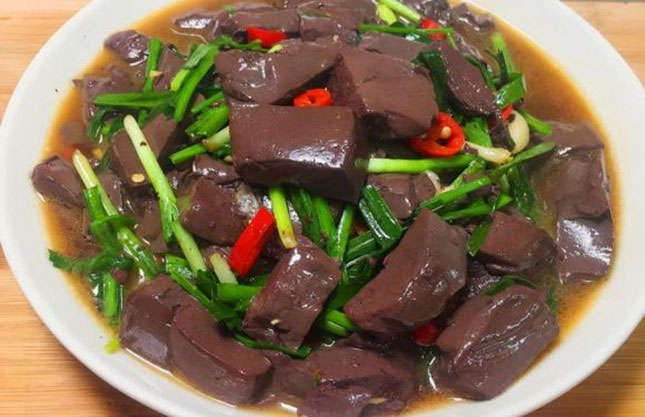
The nutrition in pig's blood is very rich, the amount of protein in pig's blood accounts for about 74% on average, equivalent to 4 times that of pork, 5 times that of chicken eggs and the total protein value (including 8 essential amino acids for the human body). (Illustration: Internet).
Disease prevention
Pig's blood contains high levels of iron that are easily absorbed by the body. Eating a lot of animal blood is beneficial for the growth and development of young children and pregnant or lactating women. It can prevent iron deficiency in the blood and prevent cardiovascular diseases, arteriosclerosis, and embolism in the elderly.
Anti-cancer effects
Experimental medicine has proven that trace elements in pig blood can prevent the development of malignant cancer. Scientists also say that a substance called wound hormone can be extracted from pig blood, which can damage or destroy cells that need to be removed, and at the same time reorganize the damaged tissues, helping them gradually restore normal function. This is something that other foods can hardly achieve.
Anti-aging
Pig's blood contains a lot of phospholipids, which can increase the amount of acetylcholine, making the connection between nerve cells faster, thereby improving human memory. Therefore, the elderly and patients with dementia should eat a lot of pig's blood.
Helps stop bleeding
Pig blood contains vitamin K, which can promote blood clotting and thus has a hemostatic effect.
Pig's blood can also increase trace elements in the body, which is beneficial for the treatment and better recovery of patients with malnutrition, kidney and cardiovascular diseases. In addition, it is also used to treat dizziness, vomiting, bleeding, bruises, injuries due to blood loss leading to convulsions.
Metal particle cleaning
In addition, pig blood is also effective in cleaning metal particles that have a negative impact on the body; modern medicine has researched and discovered that the amount of protein in pig blood after going through the process of decomposition of acid in the stomach will produce a substance that can disinfect the intestines, this substance can enter the human body and destroy the biochemical reactions of the metal particles formed, then through the excretion process, harmful substances to the body are removed, so if you regularly eat pig blood, it will help eliminate harmful substances to the body.
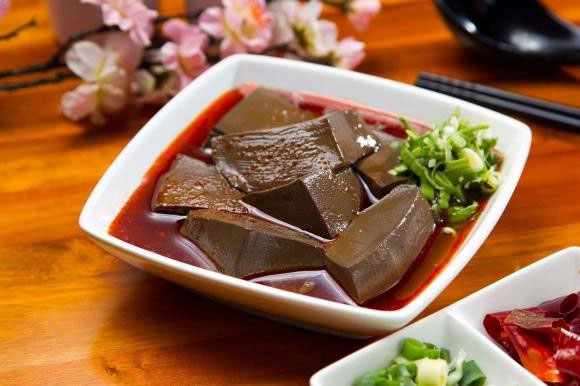
Pig blood has a high cholesterol content. Therefore, people with cardiovascular disease or high blood cholesterol should avoid eating this dish. People who are undergoing treatment for blood clots should also not eat pig blood. (Illustration: Internet).
3 people who should absolutely not eat pig's blood
People with heart disease should not eat pig's blood.
Pig's blood has a high cholesterol content. Therefore, people with cardiovascular disease or high blood cholesterol should avoid eating this dish. People who are undergoing treatment for blood clots should also not eat pig's blood.
People with gastrointestinal bleeding should not eat pig's blood.
Pig blood contains a lot of iron, which is very good for the blood, but eating too much will cause the stool to turn black. Meanwhile, people with gastrointestinal bleeding also have signs of black stool. This will affect the test results as well as the doctor's treatment.
People with cirrhosis should not eat pig's blood.
Healthy people eat pig's blood to nourish the blood and liver. However, people with cirrhosis who consume a lot of this product will have excess protein, causing more serious liver damage.
Notes when eating pig's blood
Doctors also advise people not to eat too much pig's blood at once. The human body has difficulty absorbing much iron in a short period of time.
Too much iron can even lead to iron poisoning. If this happens, you may experience vomiting, stomach pain, and other adverse health effects.
Experts advise that you should only eat pig's blood once a week or 2-3 times a month. In addition, you should also pay attention to supplementing other nutrients for the body.
In addition, not everyone is suitable for eating pig's blood. People with intestinal bleeding should not eat it. The list of people who should avoid this dish also includes people with high blood fat, unstable blood pressure, and high cholesterol.
When buying and preparing dishes from pig's blood, housewives also need to pay attention . Food must be fresh, best taken on the same day, do not buy when the blood has a strange color or smell.
At the slightest sign of spoilage, pig blood can cause diarrhea, vomiting and other gastrointestinal disorders.
In addition, doctors also recommend not eating raw blood pudding because the risk of contracting diseases including streptococcus suis infection is very high.
In case the pig dies of disease, even if it is cooked, you should not eat the pig's blood.
If after eating blood, there is diarrhea, high fever, subcutaneous bleeding, the patient needs to go to the hospital immediately for treatment.