
Space science
NASA satellite repair robot in space
Restore-L robot has the ability to maintain, repair and upgrade satellites operating on low orbit around the Earth, expected to operate from 2020.
Explore astronomy, NASA missions, planets, galaxies, the Moon, the Solar System and discoveries that expand our understanding of the universe.
8,681 published items in this category and its subcategories.
Restore-L robot has the ability to maintain, repair and upgrade satellites operating on low orbit around the Earth, expected to operate from 2020.
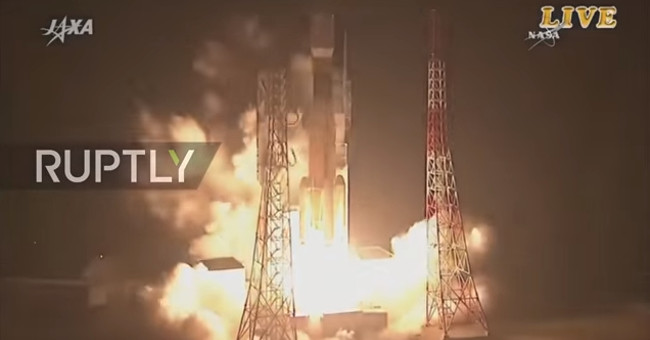
Japan successfully launched a cargo ship carrying a wire-shaped wire capable of changing the trajectory of debris in space.
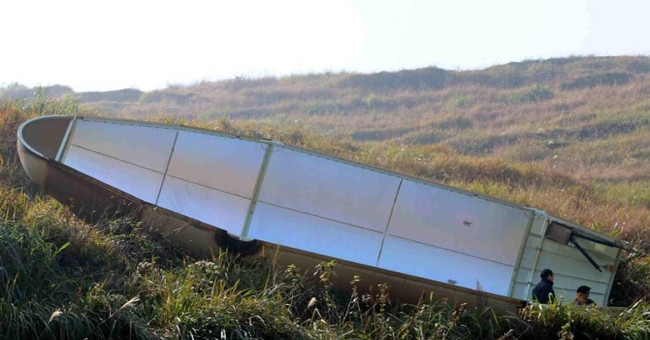
Phong Van 4 weather satellite's protective cover was found on the field in China's Jiangxi Province just one day after the launch.
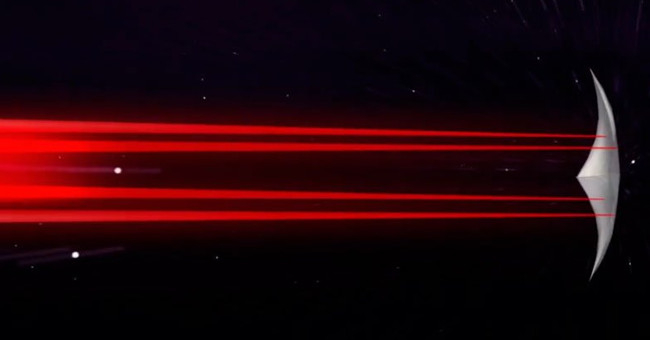
If the ship can achieve the same speed as calculated then it will take up to 20 years to reach that distant galaxy but how can the electronic system on board exist for 2…
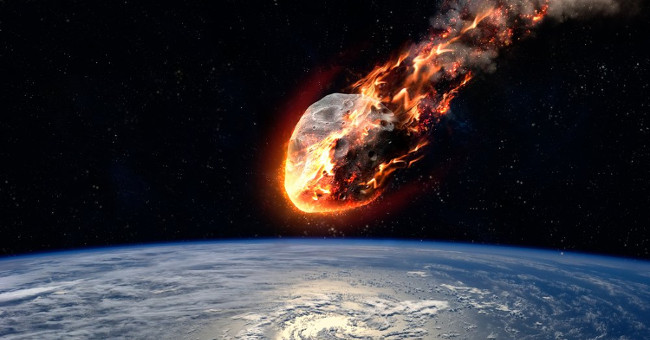
In case of finding a giant meteorite about to crash into Earth, how will the US Aerospace Agency (NASA) react?
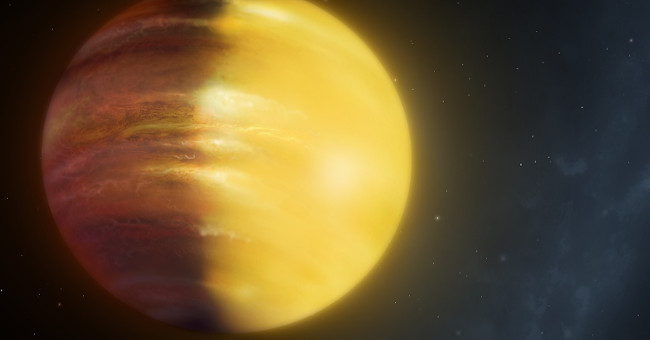
British researchers discovered a solar system outside the solar system surrounded by minerals-rich clouds creating rubies and sapphire stones.
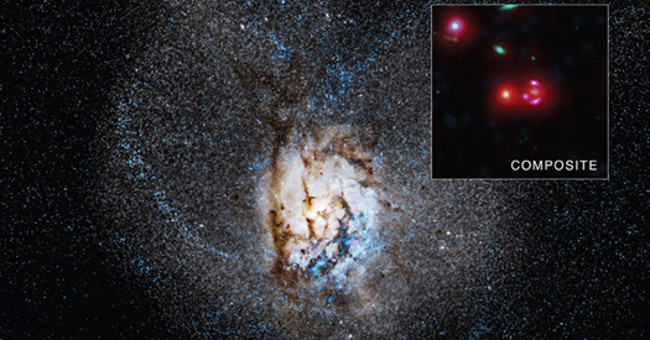
Galaxy SPT0346-52, located 12.7 billion light-years from Earth, produces new stars each year with a total volume of 4,500 times the Milky Way.
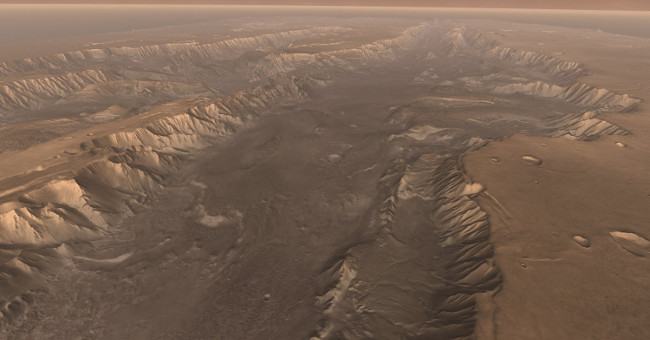
Greenhouse gas builds up in the atmosphere, causing Mars temperature to rise, making a long warm period appear, with a period of up to 10 million years.

The ability of our Earth to be hit by planets is extremely rare, but it is actually only a matter of time before this disaster comes true.
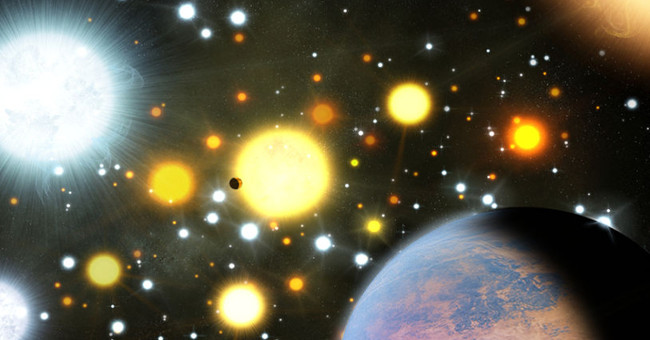
Princeton University's team of scientists and engineers has developed ground-based equipment and is considered a great step forward in the study of galactic exoplanets b…
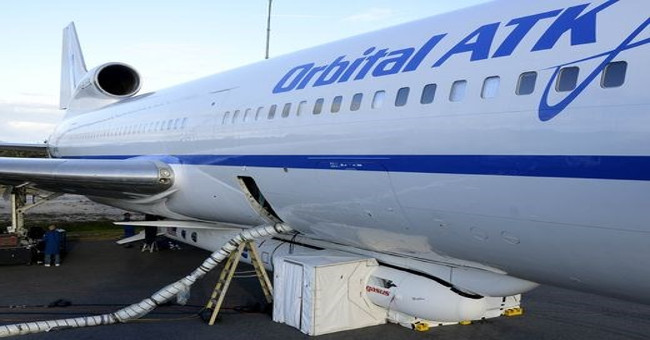
According to NASA's announcement, Stargazer L-1011 aircraft carrying the satellites took off from Cape Canaveral Air Force Base, state of Florida, USA.
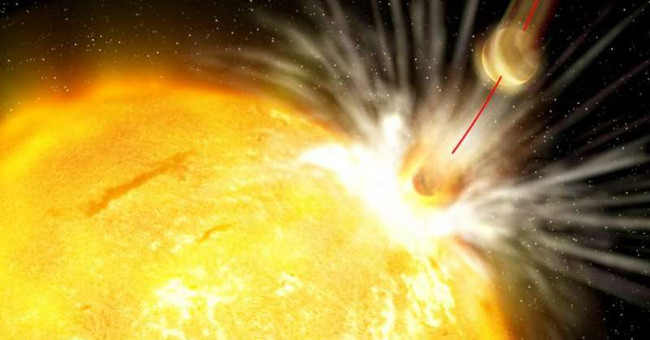
The HIP68468 star has the same size, mass, and brightness as the Sun and has many signs that it has swallowed some planets in the system.
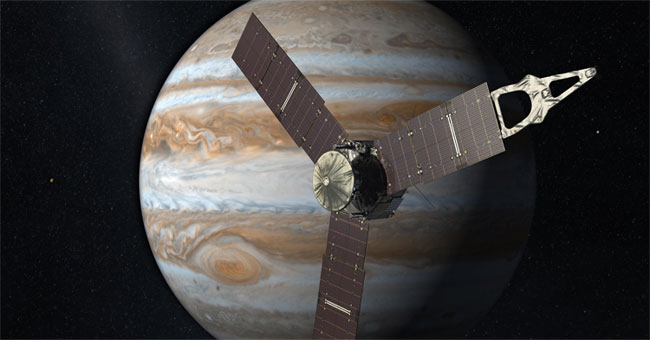
NASA's Juno spacecraft has successfully implemented the third approach to Jupiter. The time when it came closest to Jupiter was 19:04 on December 11 (Vietnam time) when…
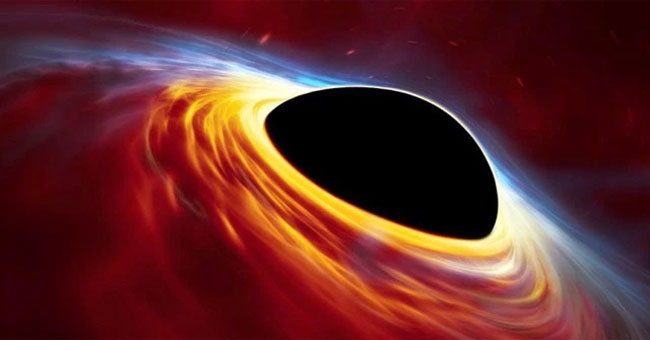
The supernova is 20 times brighter than the brightness of the entire Milky Way, which is essentially the corpse of a star so close to the super black hole and torn apart.
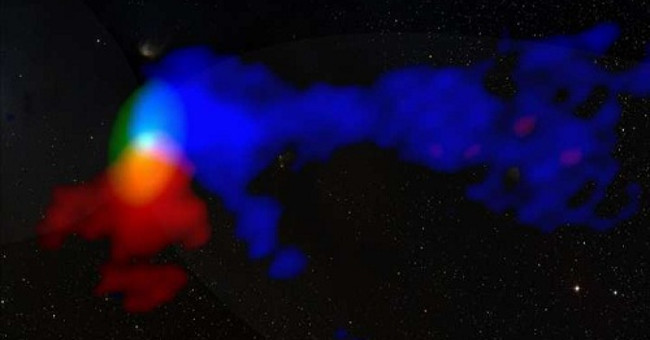
The scientists observed the tornado emanating from the primitive star TMC1A, taking away the material and gas from the surrounding disk material.