Space science
Interesting things about the planet
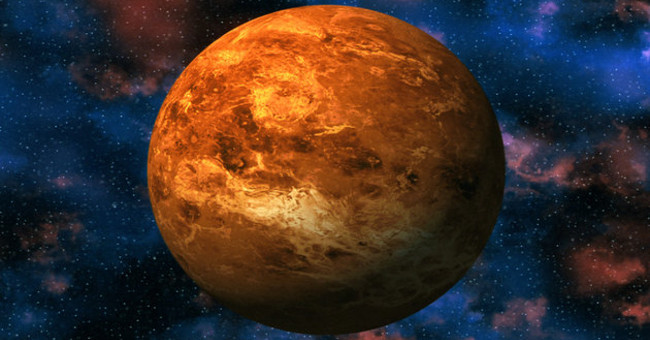
Venus, the second planet in the solar system, has extremely harsh environmental conditions and numerous giant volcanoes on the surface.
Explore astronomy, NASA missions, planets, galaxies, the Moon, the Solar System and discoveries that expand our understanding of the universe.
8,681 published items in this category and its subcategories.
Venus, the second planet in the solar system, has extremely harsh environmental conditions and numerous giant volcanoes on the surface.
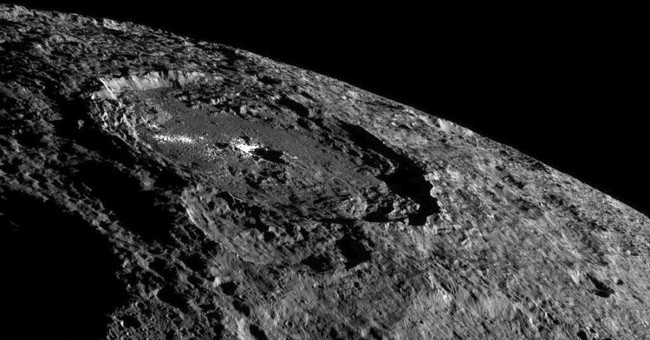
The probe Dawn reveals that this asteroid has about 30% water at the poles, explaining the ice volcanoes and strange light spots scientists have found.
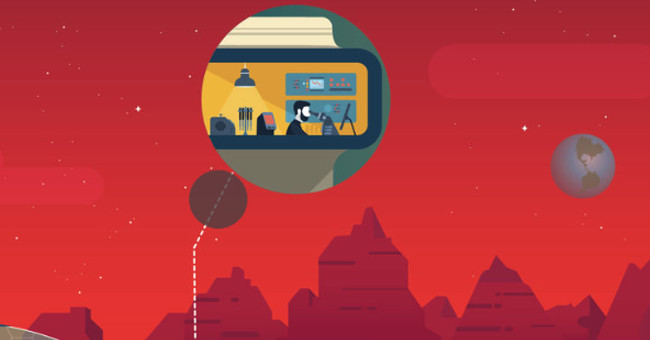
Mars is not a place to go and come and go. There must be careful preparation, including the construction of a shelter for humans.
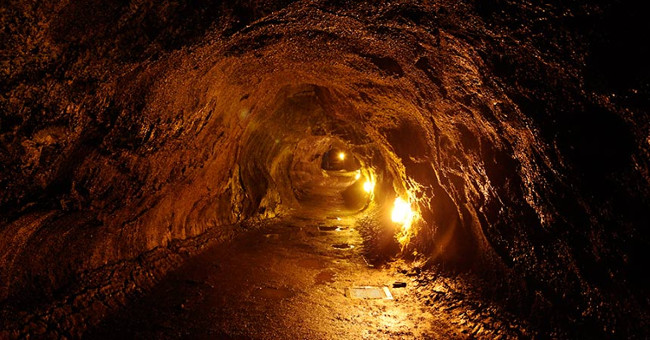
Lava caves beneath the Moon's surface with a diameter of up to 5 km can protect people from extreme temperatures, radiation and meteorite collisions.

LOTUSat-1 and LOTUSat-2 satellites are an important component in the project of Vietnam National Satellite Center - the largest science and technology project ever, with…
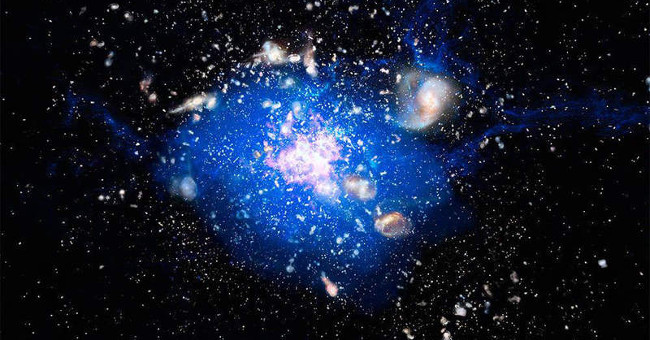
An international team of researchers observes the formation of galaxies from the cold gas of -200 degrees Celsius in the universe.
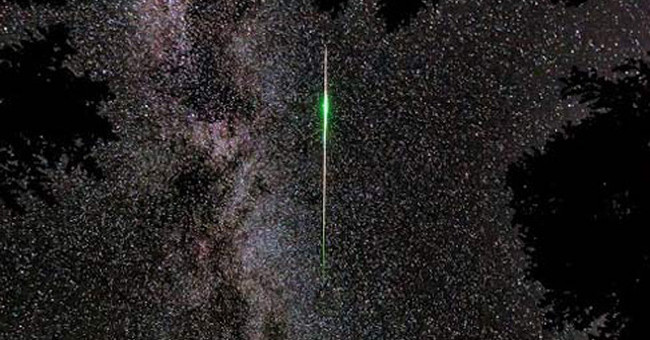
On the night of 13th and 14th of December, astronomers will have the opportunity to admire the meteor shower, one of the two biggest meteor showers of the year.

It is unclear what phenomenon outside the Milky Way emits this powerful beam.
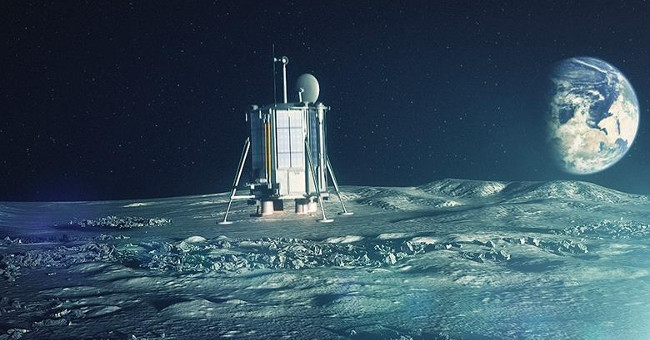
An American space exploration company plans to bring people to the Moon for tourism in the next 10 years at a cost of $ 10,000 and travel time of about 4 hours.
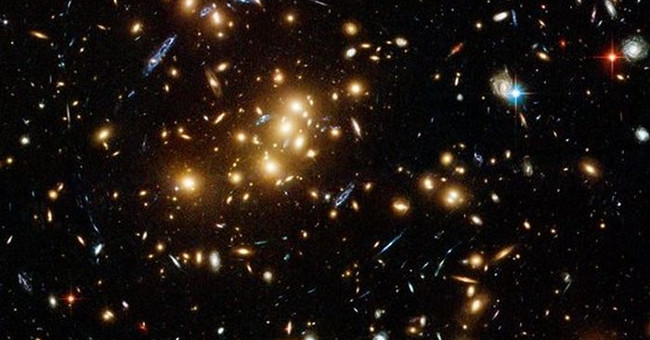
Scientists have discovered many signs that the universe is beginning to fade and this process can last up to 10 billion years.
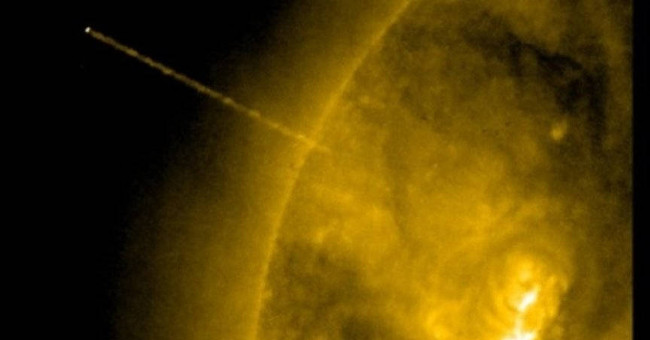
Newly published astronomical images show a UFO is
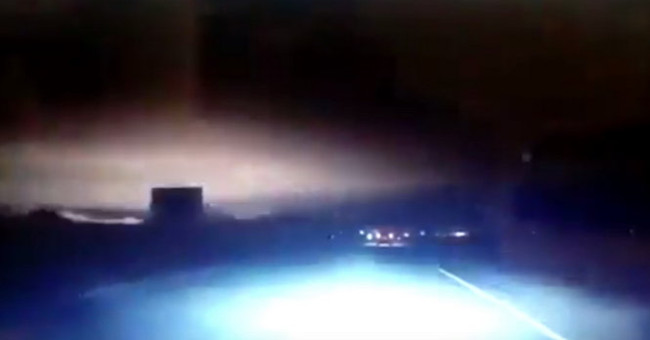
On the night of December 6, a meteorite fell on Beysky region in Khakassia, southwestern Siberia (Russia), causing the night sky to glow as day.
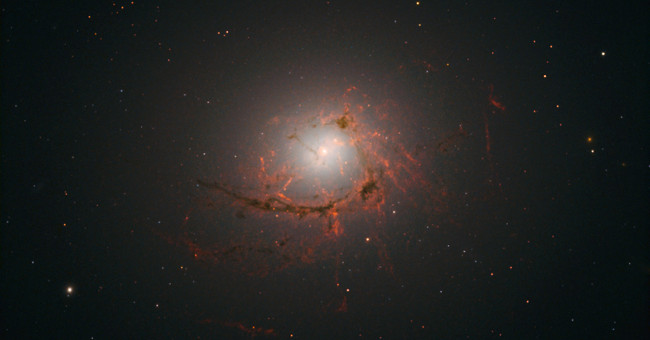
British astronomers discovered a supermassive black hole digesting the brightest galaxy of Sagittarius, causing it to die from within.

Scientists first screened 500 cosmic dust particles derived from the formation of the solar system 4.6 billion years ago in the mud mud stuck on the roofs in France, Ger…