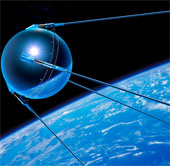
Space science
Learn more about space satellite systems
There are more than 1,100 satellites operating outside the universe, including some as big as buses. These are two of a series of interesting features about space soldie…
Explore astronomy, NASA missions, planets, galaxies, the Moon, the Solar System and discoveries that expand our understanding of the universe.
8,681 published items in this category and its subcategories.
There are more than 1,100 satellites operating outside the universe, including some as big as buses. These are two of a series of interesting features about space soldie…
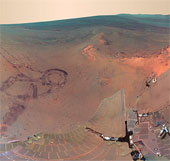
New research on meteorites has revealed the reason why water disappears from the surface of Mars.
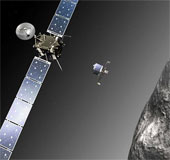
Europe's Rosetta cruise ship has captured the first image of the target comet, since it was awakened from sleep.
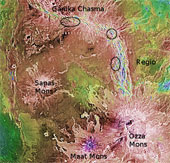
A group of international astronomers led by Russian scientists discovered four
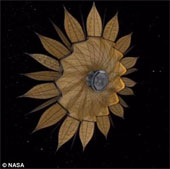
It looked like a blooming sunflower, but it was actually a space device of the US Aerospace Agency (NASA), developed to collect a clear picture of planets outside the So…
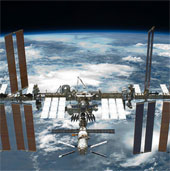
On Friday night, the Soyuz spacecraft with the new crew successfully connected to the International Space Station (ISS).
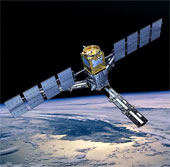
China is accelerating the pace of building a giant satellite network that can help the country monitor the world.
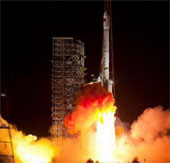
At 10:58 pm on March 31, China successfully launched the satellite
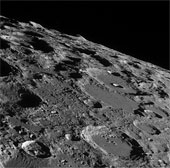
The moon appears about 95 million years after the Solar System was formed from a planetary collision.
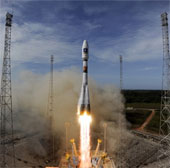
In the morning of April 4 (Vietnam time), Europe's Sentinel-1A satellite has been put on orbit by Soyuz-ST Russian rocket. The launch was made from the Kourou dance airp…
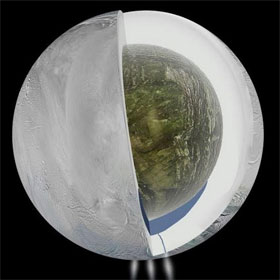
For years, astronomers have been constantly searching for planets capable of nurturing life.
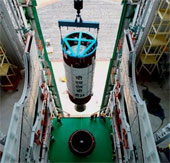
THX reported on April 4 that India launched the IRNSS-1B satellite, the second of its seven satellites, from the cosmopolitan airport in Sriharikota, in the state of And…
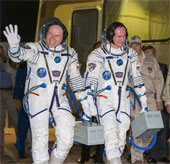
On the morning of March 11, the 38th international flight team worked on the International Space Station (ISS) safely brought back to Earth by the TMA-10M Spacecraft.
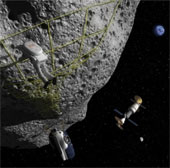
The US Aerospace Agency (NASA) organized a competition for scientists to help them
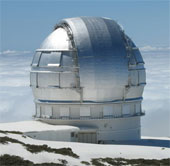
On March 6, Russian scientists at Irkutsk State University said they had taken unique photos of the explosion of the oldest star from Earth. 12 billion light years.