Space science
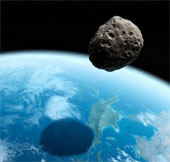
Meteorites about the size of 3 buses are about to fly over Earth
Tonight (March 5), an asteroid the size of three double-decker buses will fly extremely close to the Earth at a distance closer to the Moon.
Explore astronomy, NASA missions, planets, galaxies, the Moon, the Solar System and discoveries that expand our understanding of the universe.
8,681 published items in this category and its subcategories.
Tonight (March 5), an asteroid the size of three double-decker buses will fly extremely close to the Earth at a distance closer to the Moon.
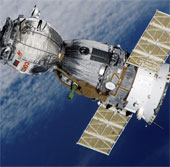
Spatial scientific research relations between the US and Russia continue to be maintained normally, despite the situation in Ukraine.
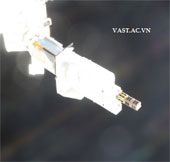
After more than 3 months of stable operation in orbit, PicoDragon has gradually decreased in height and burnt when falling into the atmosphere of the earth.
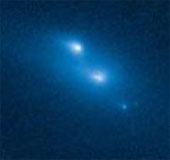
Hubble recorded the self-destruction of a giant meteorite, in an event that was the first to see the Earth's astronomers.
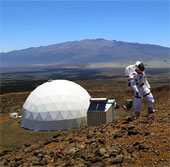
NASA has made many bold plans for the Mars program with the addition of self-propelled ships to the Martian surface by 2020 and will send manned spacecraft by 2030.
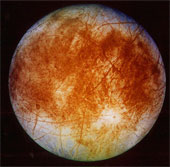
NASA is planning to deploy a daring mission, which is to give robots to Jupiter's full moon, Europa, which is hoped to nurture life.

According to Reuters, for the first time in history, the International Space Station (ISS) has a commander as a Japanese astronaut.
Australian scientists have discovered the oldest star in the universe, formed 13.7 billion years ago, shortly after the Big Bang.
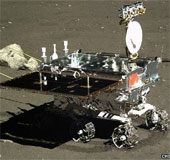
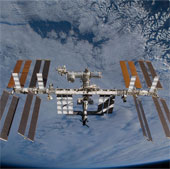
The Russian-made component on the International Space Station (ISS) can continue to be maintained as an independent agency after the project completes its mission and re…
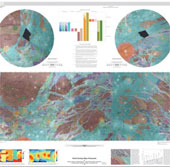
Researchers hope the new map can support future Ganymede exploration missions, according to Space.com.

The US Space Agency (NASA) has called on private partners to join forces to develop missions back to the Moon at low cost.
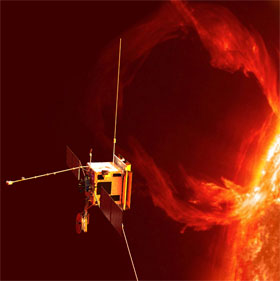
The dye found in cave paintings will be used to increase the heat barrier to the heat from the sun.
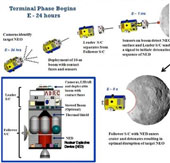
The researchers suggest that the effective way to save the Earth from catastrophic destruction from asteroids is to bomb the atom and destroy it.
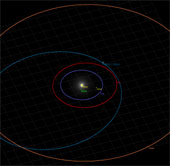
The team of European experts has found an unknown comet that has never been known before, because it lurks deep inside the solar system.