Space science
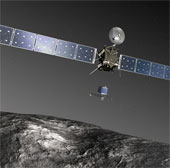
ESA re-activated the comet probe Rosetta
Launched in March 2004 on Ariane 5 G + rocket from Kourou, Guiana island, Rosetta was assigned to catch up and fly around comet 67P / Churyumov-Gerasimenko.
Explore astronomy, NASA missions, planets, galaxies, the Moon, the Solar System and discoveries that expand our understanding of the universe.
8,698 published items in this category and its subcategories.
Launched in March 2004 on Ariane 5 G + rocket from Kourou, Guiana island, Rosetta was assigned to catch up and fly around comet 67P / Churyumov-Gerasimenko.
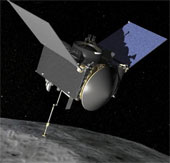
The US Aeronautics and Space Agency (NASA) is inviting people to give their names to engrave on the microchip, mounted in the OSIRIS-Rex spacecraft to fly to the asteroi…
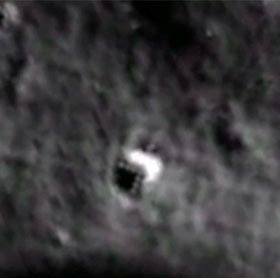
Aliens once saved a trace on the moon? That is the question of many people when on the moon map of Google Maps appears a strange triangular object.
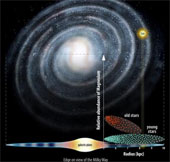
European astronomers have found new evidence that the Milky Way expands inward from the inside out.
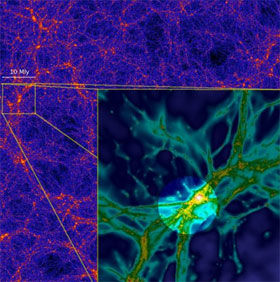
For the first time, humans have been able to see with their own eyes the mysterious dark matter, hidden under the universe, easily observed with the naked eye.
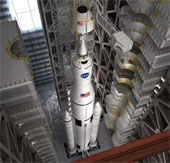
With the volume and superior load capacity compared to Saturn boosters that once put Neil Armstrong on the moon, SLS boosters promise to pave the way for people to go to…
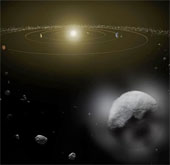
For the first time a telescope detected steam rising from Ceres, the largest dwarf planet in the solar system's asteroid belt.
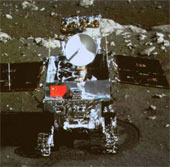
The self-propelled rabbit Ngoc Ngoc performs the task of exploring and researching the Moon recently having trouble controlling machines, after more than a month on this…
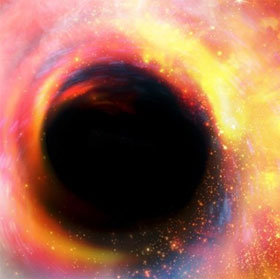
British genius physicist, Stephen Hawking - considered the greatest living brain, has shaken the scientific community when reversing his lifelong research to say that th…
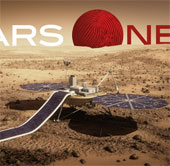
In the introductory clip of Mars One program to bring people to live permanently in Mars, a candidate said he joined the program because he wanted to challenge himself.
The NEOWISE probe (new name according to WISE's mission to detect dangerous objects near Earth) has sent to the first test images.
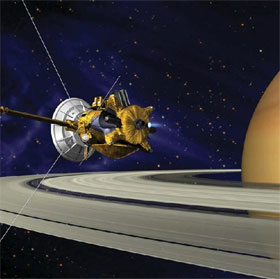
Based on data from the Cassini spacecraft, experts identified the Saturn belt formed about 4.4 billion years ago, shortly after the planet pictured.
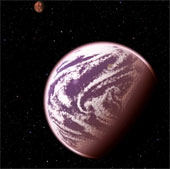
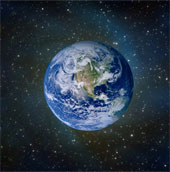
Survey results made by GPS satellites show that the earth is heavier than it thought, probably because it is in the ring of dark matter.
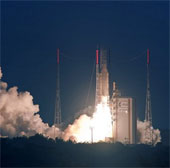
France will invest 2,127 billion euros in space research programs in 2014.