Space science
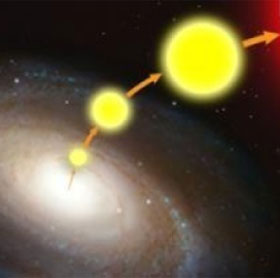
Detected the defected star group in the Milky Way
American students find a group of stars that move so quickly that they can escape the Milky Way in the future.
Explore astronomy, NASA missions, planets, galaxies, the Moon, the Solar System and discoveries that expand our understanding of the universe.
8,698 published items in this category and its subcategories.
American students find a group of stars that move so quickly that they can escape the Milky Way in the future.
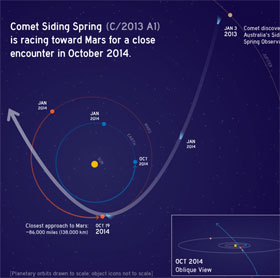
The US Aeronautics and Space Administration (NASA) has deployed a plan to observe a comet as it passes by Mars in October this year, about 10 times closer than any comet…
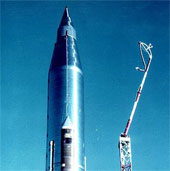
Score is considered to be the first contact satellite in the world, even though its contact is only one way.
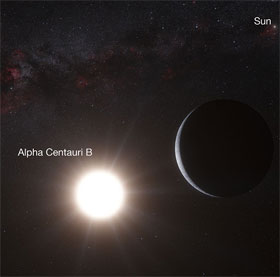
The closest neighbor of the sun may contain a more evolved life-like planet than Earth, with islands on the surface, shallow waters and a sloping sea floor.
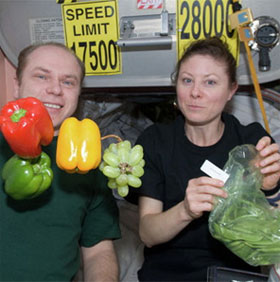
Russian scientists announced that they have harvested peas, Japanese broccoli and low-grade wheat varieties grown on the International Space Station (ISS) and confirmed
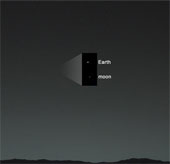
NASA said the Curiosity self-propelled vessel captured the image of the shining Earth.
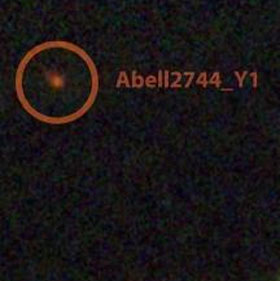
Spitzer and Hubble Space Telescope have simultaneously discovered one of the most distant galaxies ever.

The US Aeronautics and Space Administration (NASA) has just released an image of a large explosion on the surface of the Red Planet.

The US Aeronautics and Space Administration (NASA) has announced it will support private companies seeking to exploit resources on the Moon.

Executives on the ground said that they had adjusted three European satellites to the correct position on their orbit, beginning the survey of the geomagnetic field.

Telescope The new Southern European Observatory (ESA) technology at the La Silla Observatory conducted a detailed measurement of asteroids called Itokawa.

Thai researchers have recently issued a warning that the habit of taking selfies by young people can negatively impact the psychological, life and work issues in the fut…
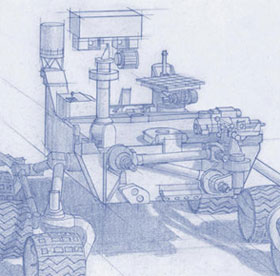
The device invented by the Russian Space Research Institute was one of 58 proposals sent to NASA in February.
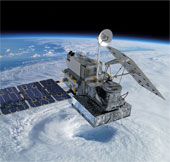
GPM will use the same exploration method as its predecessor, built on previous technology.