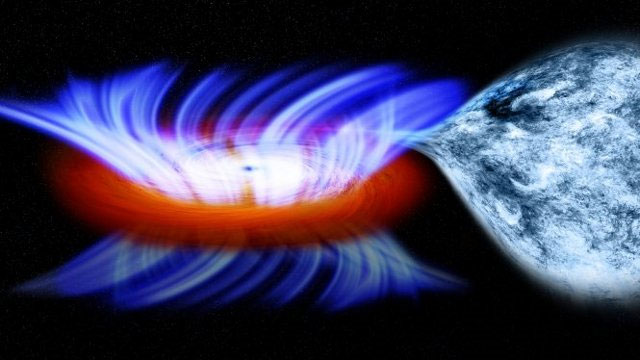
Space science
Level 5 storms blow from small black holes
NASA's Chandra X-ray Observatory has detected a black hole that is sending out strong winds of up to 20 million miles per hour.
Explore astronomy, NASA missions, planets, galaxies, the Moon, the Solar System and discoveries that expand our understanding of the universe.
8,681 published items in this category and its subcategories.
NASA's Chandra X-ray Observatory has detected a black hole that is sending out strong winds of up to 20 million miles per hour.

Photographs by the spacecraft Mars Reconnaissance Orbiter show many rocks falling from a cliff on the surface of Mars and leaving deep trenches on the dust. The stones h…
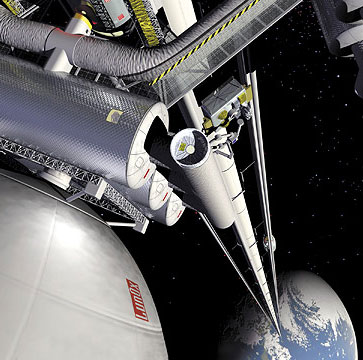
Japan is building a plan to bring tourists to orbit 36,000km above the ground through a giant elevator running at 200km / h. According to calculations by Japanese engine…
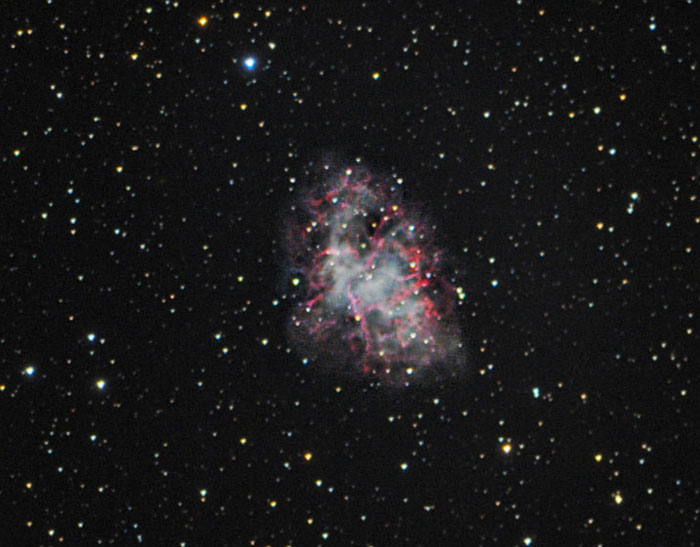
The discovery of rare earth elements in ancient stars reinforces the understanding of special meteor waves in the early stages of cosmic formation.
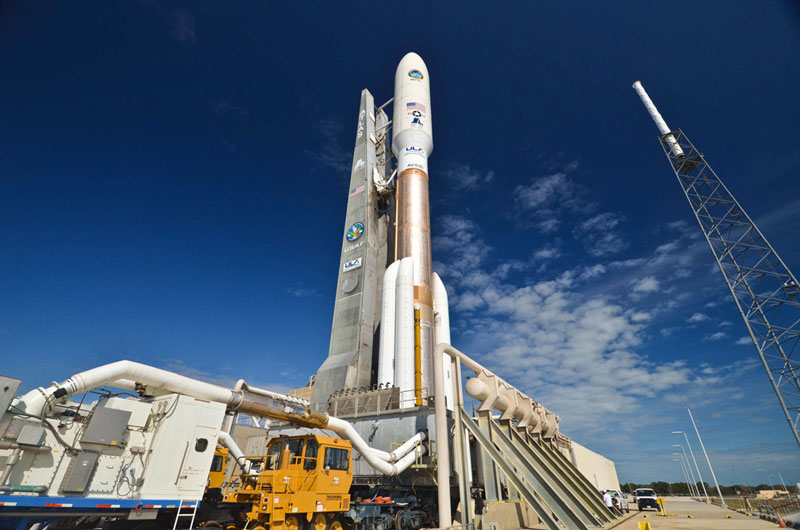
On February 24, 2012, the US Navy successfully launched the first MUOS-13G communications satellite into an Atlas 5 rocket (6 meters long) from the satellite launch stat…
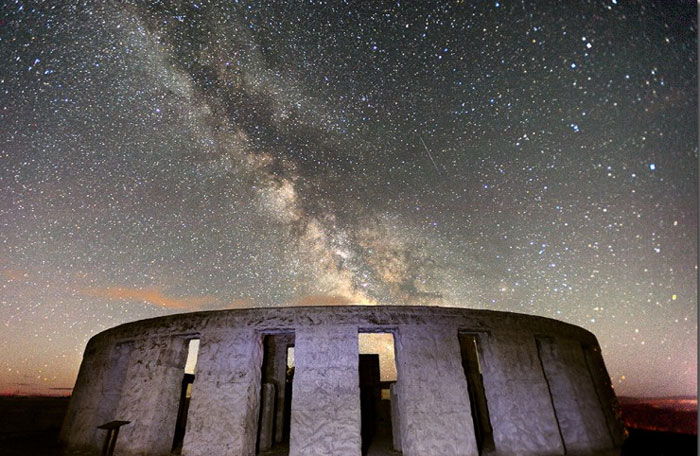
A team of scientists led by Max Planck Institute of Astronomy (MPA) has created a map with the highest resolution of magnetic fields of the galaxy ever. The map is made…

This will definitely be where all the men want to visit. Playboy has partnered with Virgin Galactic airline to design an outer space club for gentlemen.
Our galaxy may contain more than 100,000 planets that move freely, not belonging to any solar system. That is the conclusion drawn from the study of planets
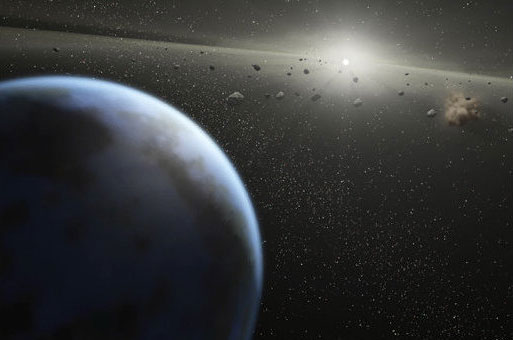
An asteroid of the same type as the object that caused the Tunguska explosion in 1908 will fly over Earth in 2013.
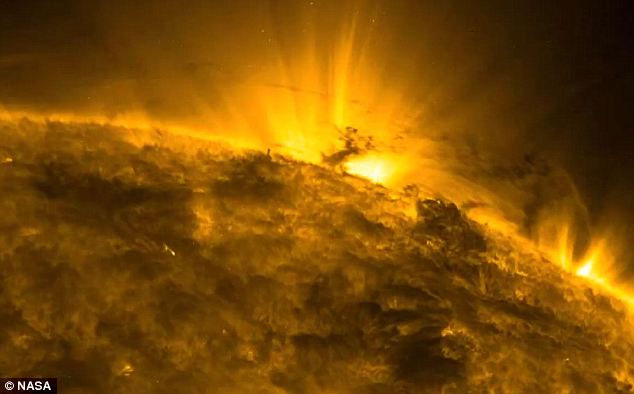
NASA's Solar Dynamics Observatory satellite captured a giant storm moving through the sun.
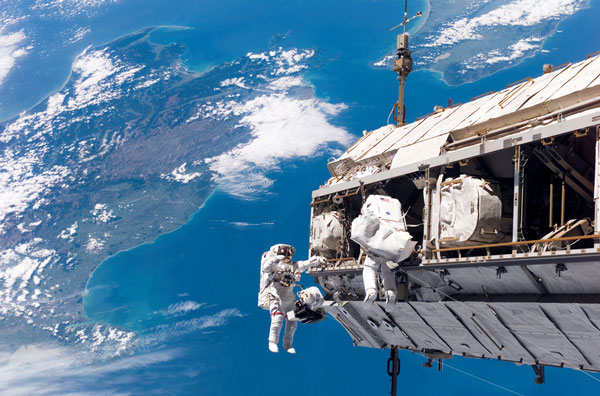
On February 27, the Government of Canada made an assessment of the space to promote cooperation between the government and the space industry as well as promoting econom…
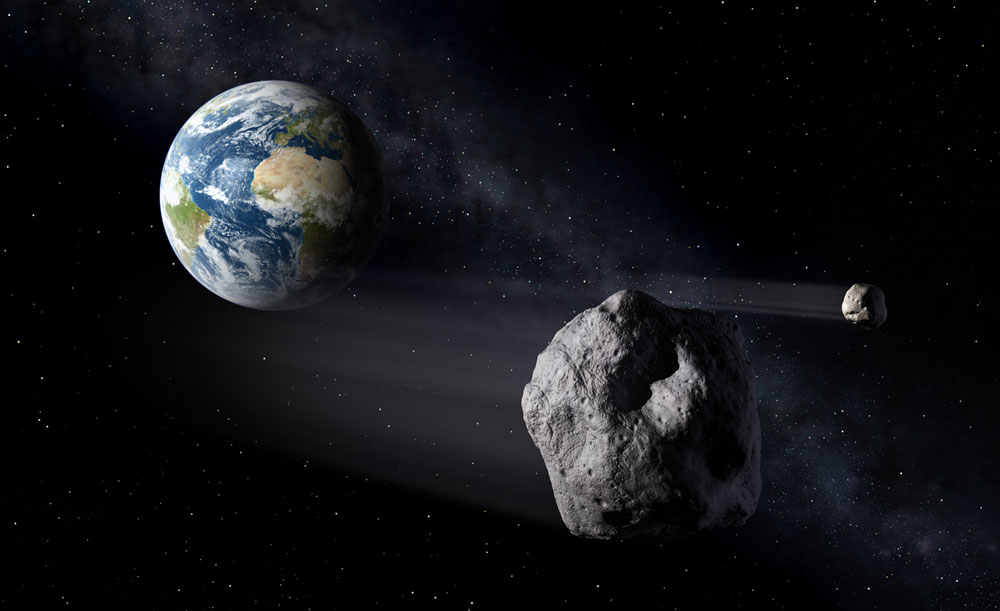
Scientists are now closely watching the movement of meteorites in 2011 AG5 up to 140 meters in diameter, to predict its impacts on the earth and people in the coming dec…
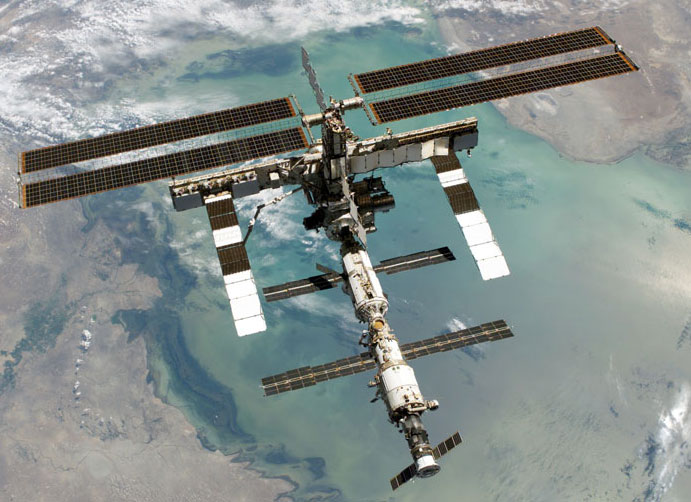
The International Space Station (ISS) on February 29 was adjusted by the Russian Mission Control Center to increase the trajectory by 2.1km to facilitate the reception o…
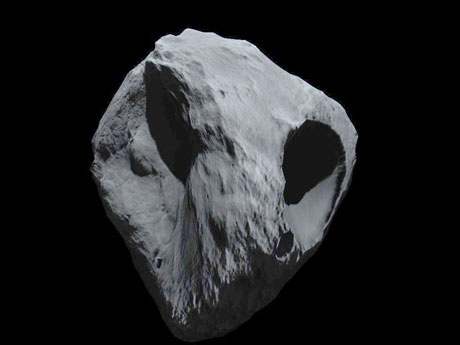
Space quoted scientists from the US Aeronautics Agency as saying the name of the asteroid is 2012 DS32. It flew near the earth at 7:36 am this morning in Hanoi.
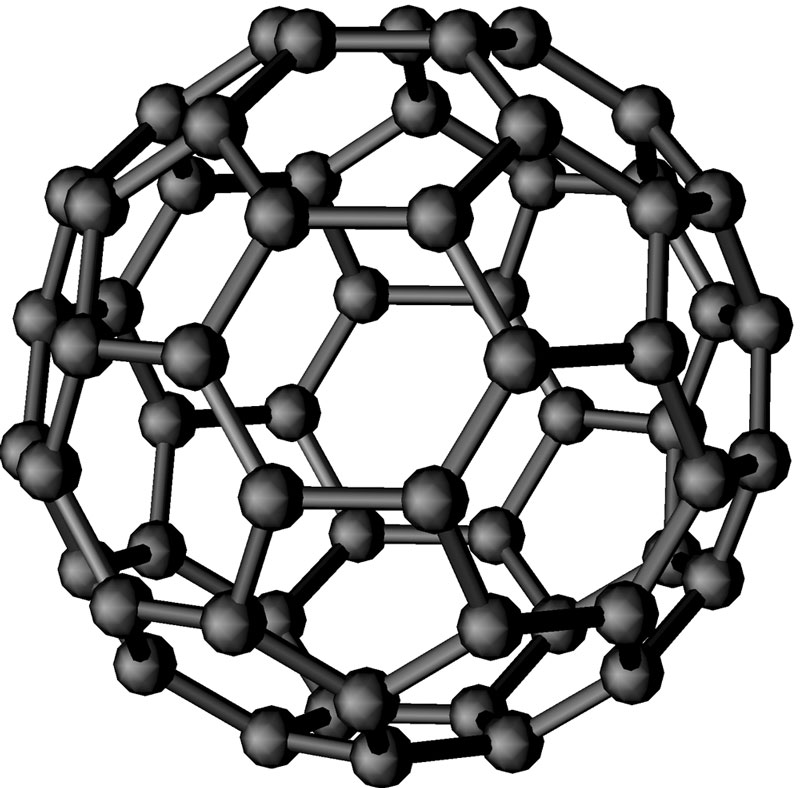
Thanks to NASA's Spitzer telescope, astronomers have discovered in space space fullerenes or solid-state carbon atoms that were previously found only in gases.