Animal world
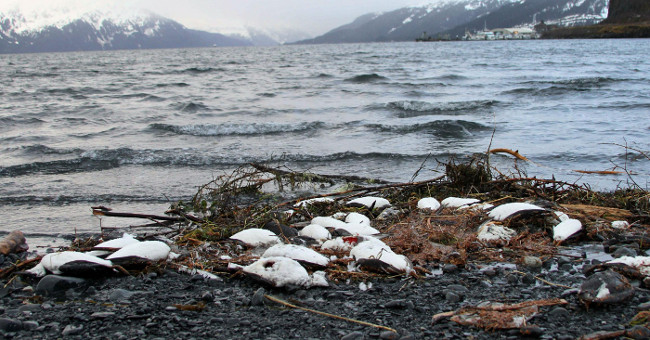
More than 8,000 unusually dead seabirds along Alaska's beaches
Experts believe the warmer surface temperature as a source of scarce food is the cause of more than 8,000 dead seabirds along Alaska Beach (USA) for over a week.
Browse ScienceInfo articles and explainers related to Alaska.
96 published items.
Experts believe the warmer surface temperature as a source of scarce food is the cause of more than 8,000 dead seabirds along Alaska Beach (USA) for over a week.
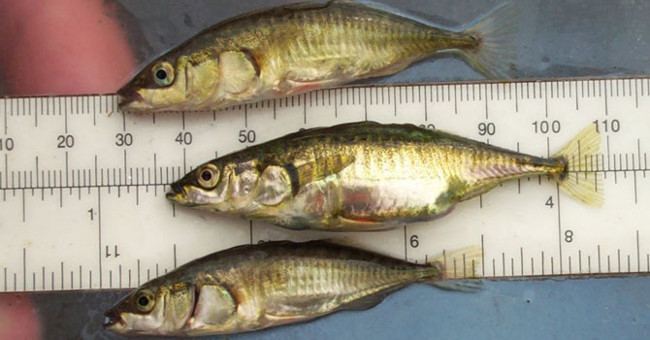
To be able to adapt to the new environment after the earthquake, threespine sticklebacks had to change themselves to survive.
According to the US National Oceanic and Atmospheric Administration, tens of thousands of new walruses have recently arrived
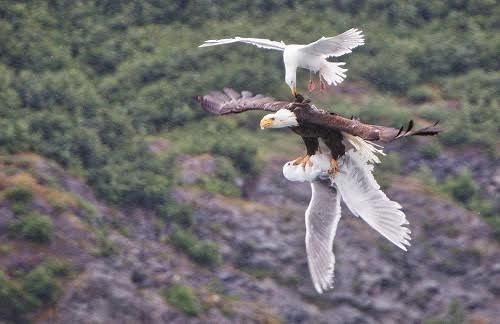
When the big white head clutches a seagull, another gull swoops down, pecking at the eagle's back to save you.
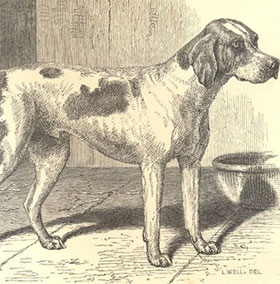
According to the latest research by scientists, Akita, Saluki, Alaska ... are the earliest dog breeds on earth.

Global warming has caused Arctic sea ice to melt faster and tens of thousands of walruses have to crawl to the northwest coast of Alaska.
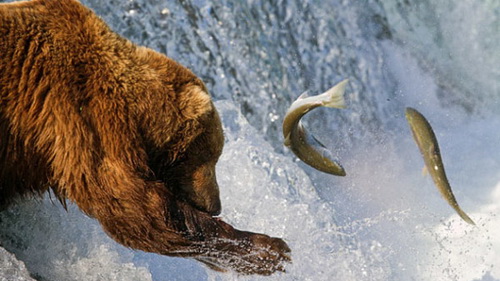
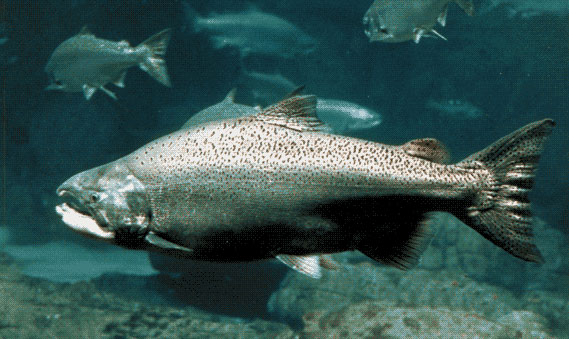
Fish drying places in the Yukon River area are always full of king salmon - the fish has long been used as an energy-rich food source to withstand the Alaskan winter. Bu…

Ancient gray wolves of Alaska began to become extinct about 12,000 years ago, while today's Alaska wolves are not descendants of their descendants but of other subspecie…
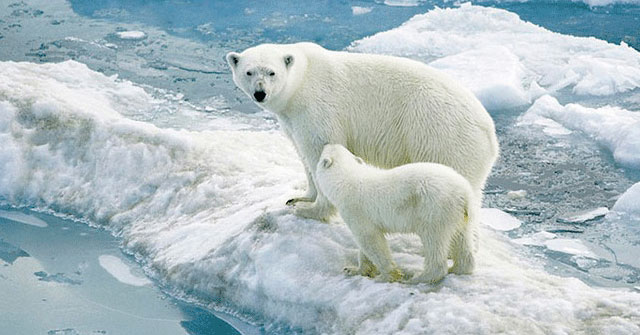
The two polar regions of the Earth, where the climate is always cold, but Antarctica and the Arctic contain many different things.
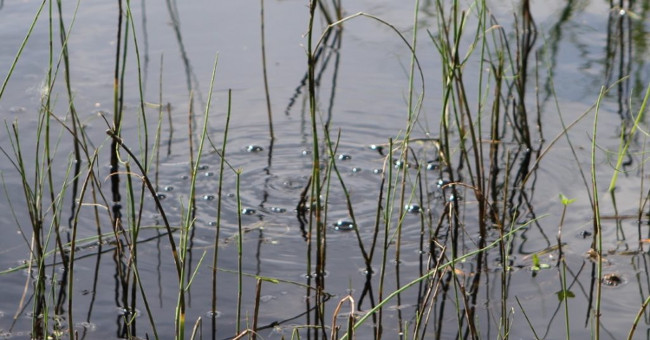
NASA is using satellite imagery to study abnormal foaming in lakes in Alaska, USA, resulting from global climate change.
The 6,000m high McKinley mountain in Alaska, USA and the highest mountain in North America has officially been renamed Denali.
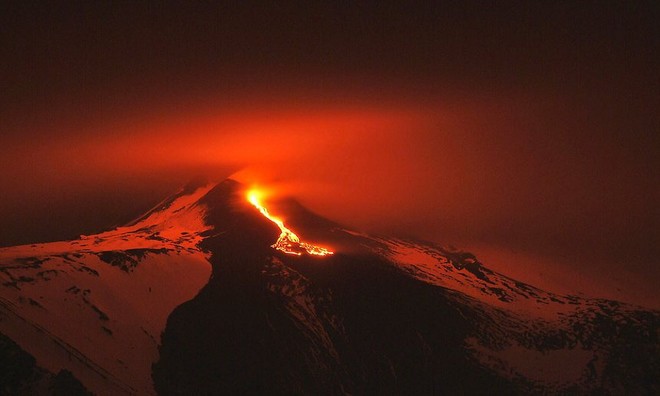
Large volcanoes with powerful eruptions always threaten to rob people of their lives and bury their surroundings.
The highest peak in North America has decreased in height, according to new data published by US geographers.
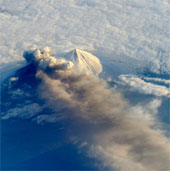
An astronaut on the International Space Station captured the scene of smoke and dust rising from an active volcano in the US last week.