Discover science
How did Egyptian mummies remove the brain from the body?
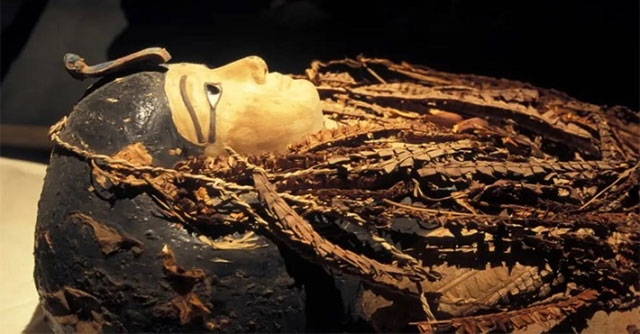
Ancient Egyptian mummies likely did not pull out brain fragments with hooks when preparing the body for the afterlife.
Browse ScienceInfo articles and explainers related to Amenhotep.
22 published items.
Ancient Egyptian mummies likely did not pull out brain fragments with hooks when preparing the body for the afterlife.
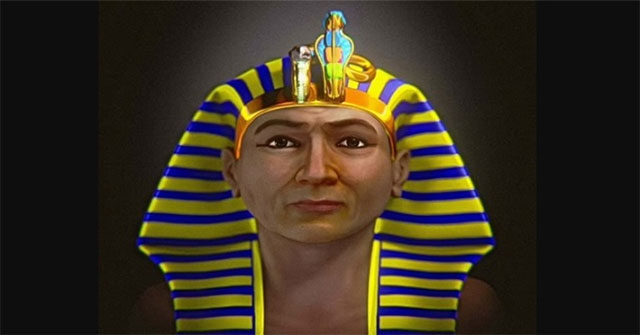
Graphics experts recreate the face of pharaoh Amenhotep I, who created the Valley of the Kings and rewrote ancient Egyptian history.
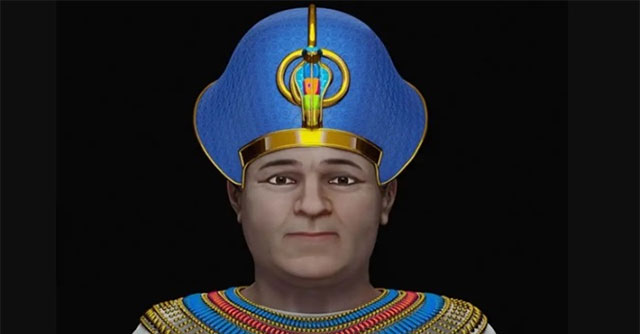
Researchers recreated the portrait of pharaoh Amenhotep III, believed to be one of the wealthiest men in history.
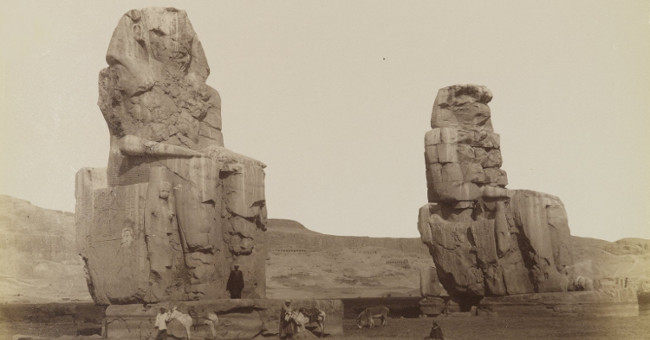
Two giant statues that exist on the Nile River about 3,400 years ago still contain many mysteries.
German and Egyptian archaeologists have found six statues of Sekhmet in an ancient temple in Luxor city.
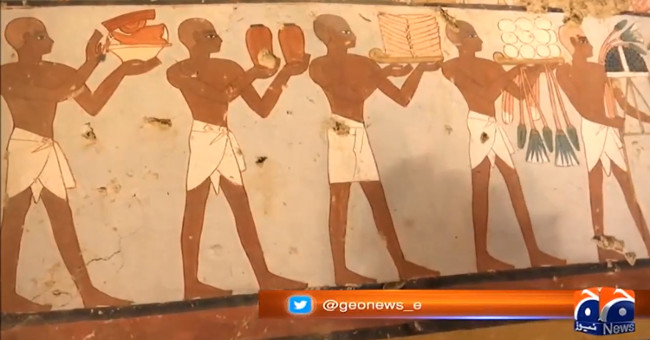
Archaeologists conduct research on two tombs built about 3,500 years ago in Luxor city.

According to a reporter in Cairo on December 3, Secretary-General of the Supreme Egyptian Archeology Council, Mostafa Waziri said the statues were carved out of black st…
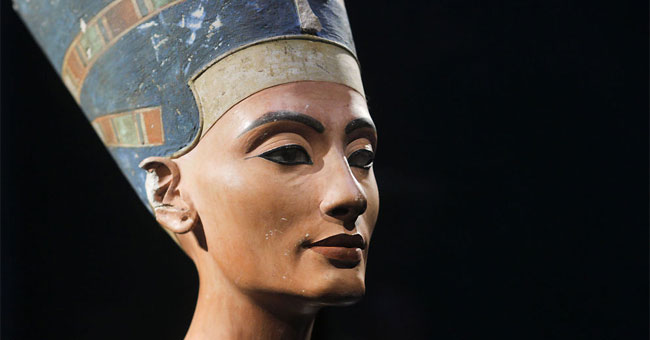
So far, the life and resting place of the Egyptian queen Nefertiti is still in secret, urging archaeologists to explore.
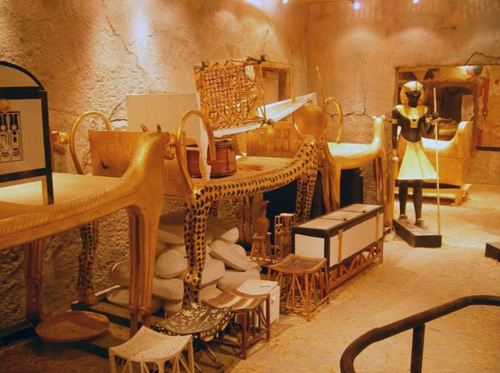
The curse is placed on the entrance to the tomb of ancient Egyptian Pharaohs to protect them from being disturbed or looted.
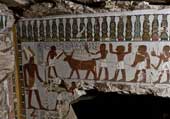
A tomb dating back 3,000 years has just been found in Egypt in a startling situation with archaeologists.
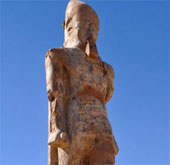
The statue in the walking posture of pharaoh Amenhotep III, once dumped more than 3,000 years ago in an earthquake, was restored to its original state.
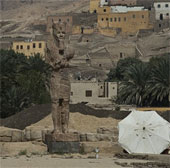
One of the two newly restored statues is 11m tall and weighs 250 tons. Both statues are present at the temple of Pharaoh Amenhotep III and two other famous statues.
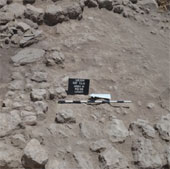
Archaeologists have unearthed the remains of an ancient city, dating back to the 14th century BC, buried under the rubble of another Israeli city.
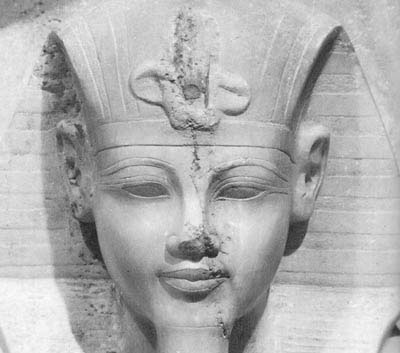
The second statue of King Tut's statue of him was discovered at a tomb where he was buried, the Egyptian Minister of Antiquities said yesterday, May 31.
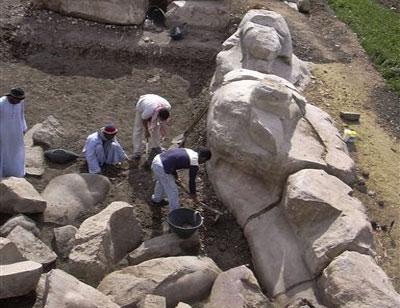
Archaeologists have discovered one of the largest ever statues of an ancient Egyptian Pharaoh at his funeral temple in Luxor, southern Egypt.