Archeology
Mysterious civilization in Central America
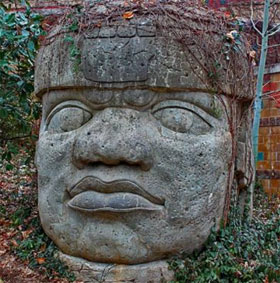
Huge rock heads scattered across the territory are one of the salient features of Olmec civilization in Central America.
Browse ScienceInfo articles and explainers related to America.
1,976 published items.
Huge rock heads scattered across the territory are one of the salient features of Olmec civilization in Central America.

Researchers at the University of Illinois conducted research on fossils of ancient dogs in search of their origin and ancient American civilization.
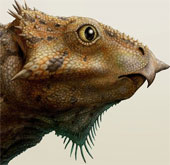
New fossils of the oldest horned dinosaurs have been found in North America, dating back more than 108 million years ago, according to UPI.
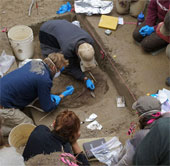
New archaeologists discovered the 11,500-year-old skeleton of two babies, hiding information about the burial custom of the last ice age in North America.
Archaeologists have discovered a village dating to about 1,300 years at a national park in the United States.
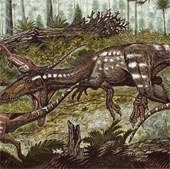
The fossil of a lion-sized carnivorous dinosaur, which specializes in eating smaller species of it, was discovered in a volcanic valley in Venezuela.

The US ocean exploration company is excavating the SS Central America, which carried 13.6 tons of gold and was sunk 157 years ago.
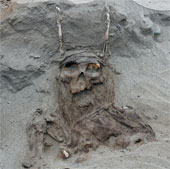
Archaeologists from Poland, Peru and Colombia saw 150 unidentified mummies in the Atacama desert, north of Chile with many different poses.
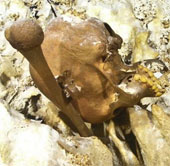
An international team of researchers confirmed the discovery of an almost complete skeleton of a prehistoric girl found in an underwater cave in Mexico.
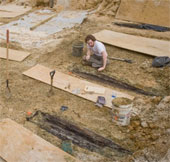
Underneath the grass and dust next to the trees on the campus of the University of Mississippi Medical Center (Mississippi, USA), part of the history of the United State…
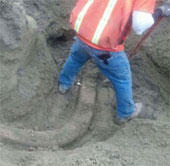
When digging water pipes in Seattle, USA on February 11, workers found mammoth ivory 10,000 years ago.

A couple living in Northern California, the United States was fortunate to discover a treasure with 8 jars filled with gold coins in their yard.

The mysteries associated with a 9 million-year-old whale graveyard in the Atacama desert located next to the Pan-American highway in Chile were finally revealed.

A genetic variant inherited from the extinct Neanderthal genus may increase the risk of diabetes in the South American community.
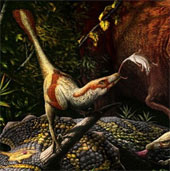
This species of dinosaur named Acheroraptor Temertyorum, has lived on Earth about 66 million years ago and is a close relative to the Velociraptor dinosaur.