Animal world
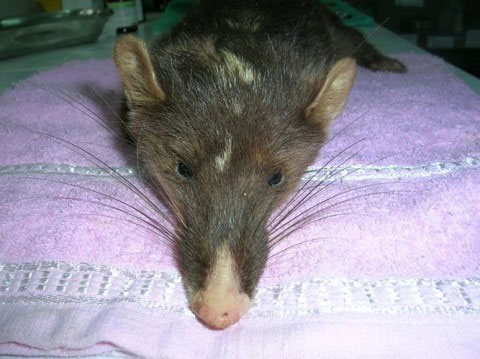
Discover new weasel species in Vietnam
Rescue Center Cuc Phuong has officially confirmed that the chubby mink found in Cuc Phuong National Park (Ninh Binh) is a new species, with the scientific name Melogale…
Browse ScienceInfo articles and explainers related to Animal.
5,291 published items.
Rescue Center Cuc Phuong has officially confirmed that the chubby mink found in Cuc Phuong National Park (Ninh Binh) is a new species, with the scientific name Melogale…
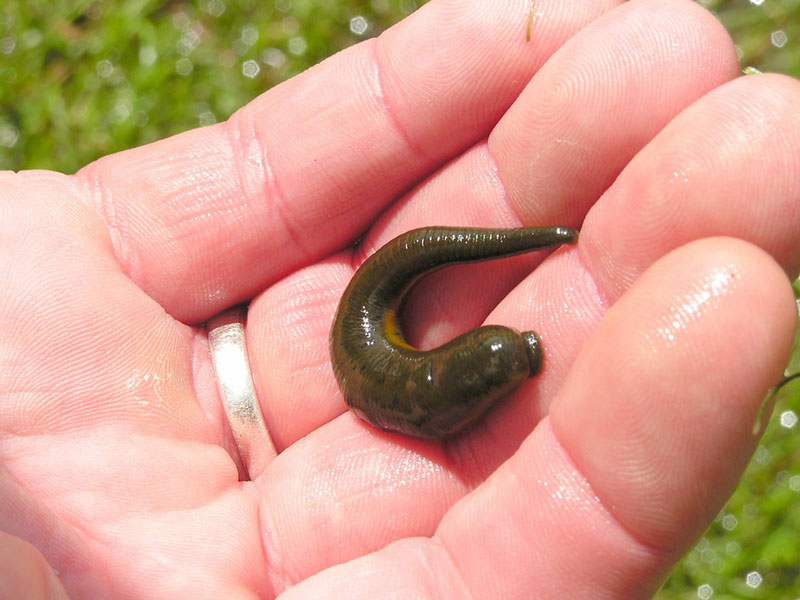
With the ability to reproduce very quickly, leeches can have huge consequences for the ecological environment and human health. Exterminating this specie is not easy.
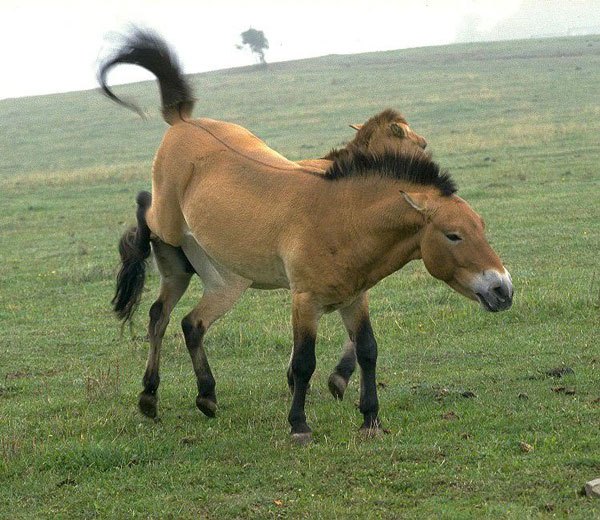
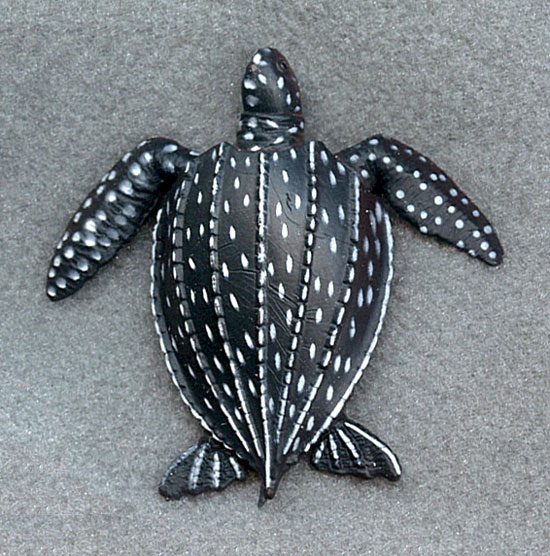
Many animals on Earth are on the brink of extinction and if there is no conservation measure, people can never see them again.
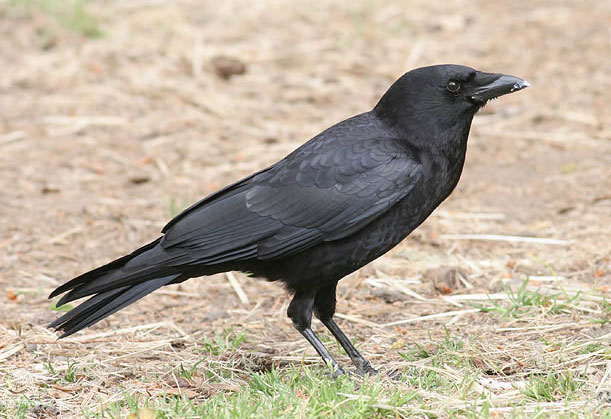
Instead of shouting, showing fur or body size like other birds, crows use quarries, mosses or branches to attract their partners, similar to the way people hold, hold or…
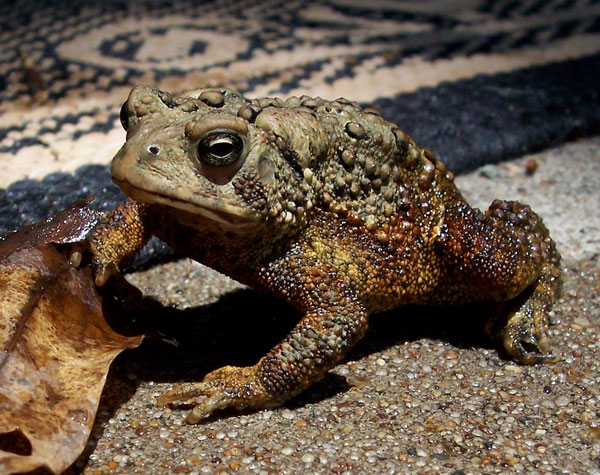
Toads can predict earthquakes by sensing the change of chemicals in groundwater immediately after seismic occurrence.
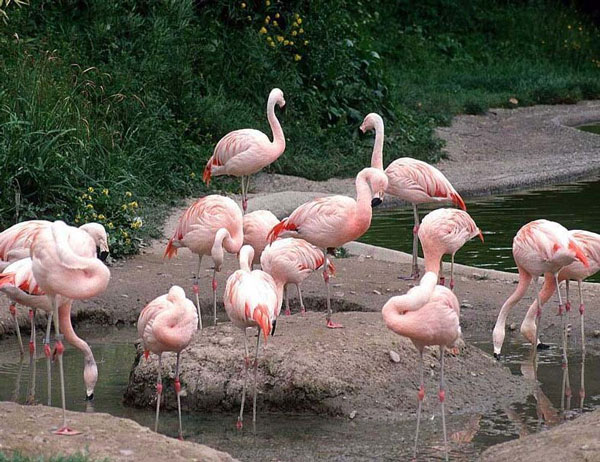
Nearly 140 large flamingos died at a wildlife sanctuary in western India due to electric shock.

The laboratory in Korea has produced cloned dogs from different breeds, different stature.
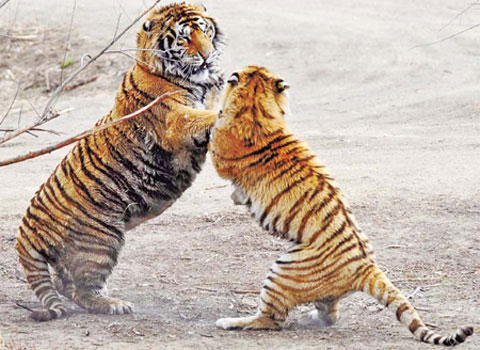
The last wild Siberian tiger living in northeastern China may disappear in the next few decades, due to poaching and illegal logging.
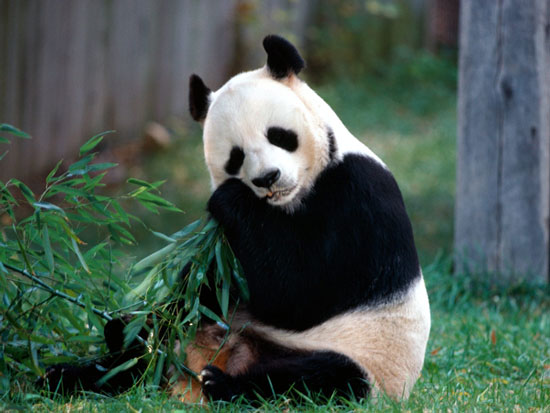
China may send a pair of pandas to the zoo in the Japanese tsunami-affected area as a gift for children here.
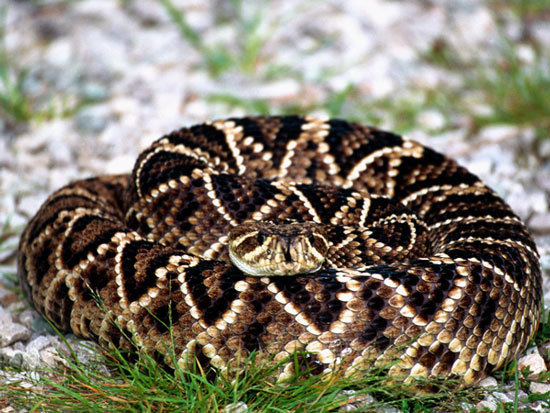
Snakes and some other animals can give birth without a father, or store sperm for a long time.
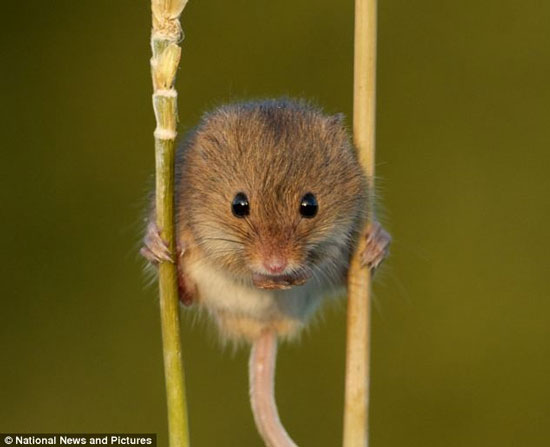
Matt Binstead, an amateur photographer at the Wildlife Center in England, took a picture of the mouse using his two hind legs and the tail of two rice hulls.
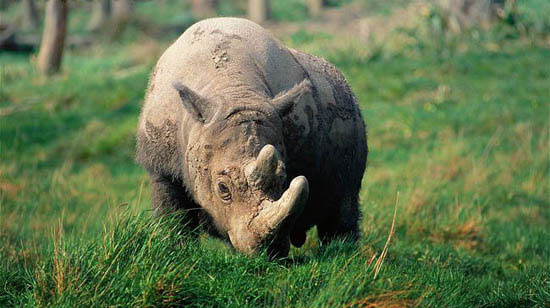
One-horn rhino (Java rhino) has officially become extinct in Vietnam. This information has been confirmed by the World Wildlife Fund (WWF) and the World Rhino Conservati…
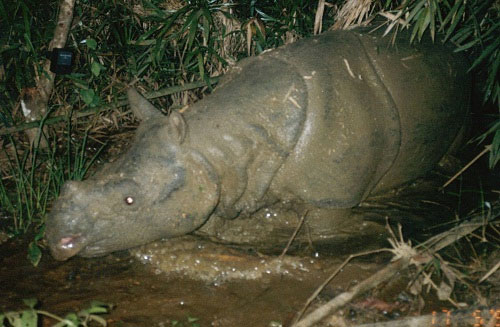
The Javan rhinoceros (Rhinoceros sondaicus annamiticus), also known as the last one-horn rhino in Vietnam, has permanently gone.
One-horned Javan rhinoceros, the recently declared extinct species in Vietnam, is one of the 10 most endangered species in the world.
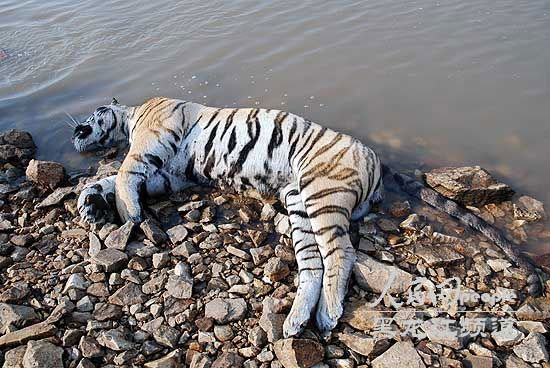
The body of a rare Siberian tiger was discovered yesterday in a village in northeastern China.