
Oceanography
Finding fish and shrimp living under thick ice in Antarctica
When drilling a small hole in Antarctica, the scientists were stunned to see the fish and shrimp swimming in the eternal darkness at a depth of 740m below the ice.
Browse ScienceInfo articles and explainers related to Arctic.
779 published items.
When drilling a small hole in Antarctica, the scientists were stunned to see the fish and shrimp swimming in the eternal darkness at a depth of 740m below the ice.
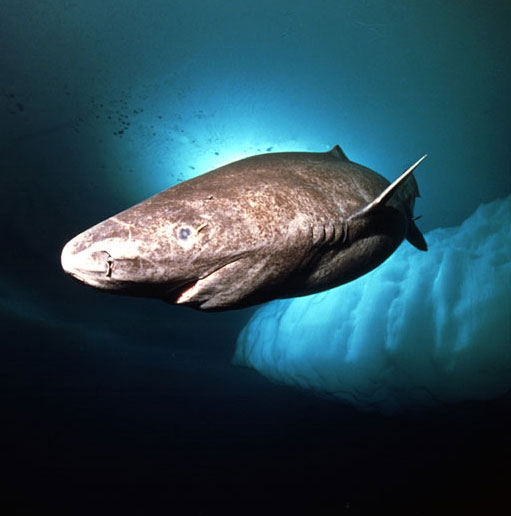
The study, published recently in the September issue of Biology of the Sea, also shows that, even when swimming at full speed, Greenland sharks can only reach a maximum…
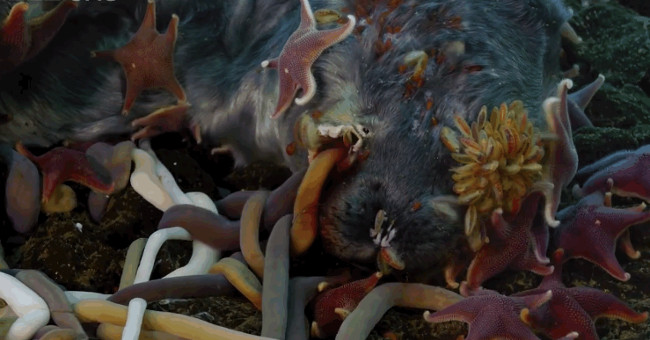
Do you have any specific fears? Many people have it! People are afraid of snakes, people are afraid of spiders, people afraid ... holes, people sometimes only afraid of…
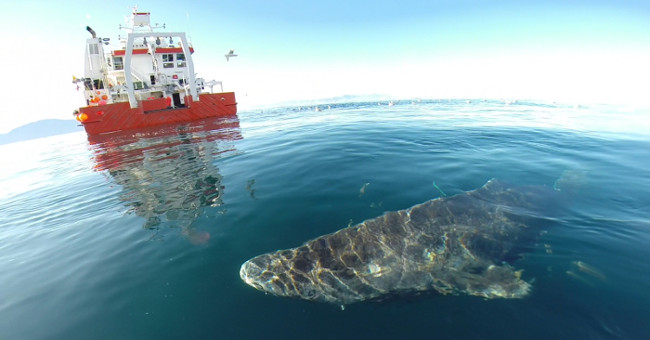
Danish scientists discovered the lifespan of a Greenland shark up to 400 years, keeping the world's oldest vertebrate.
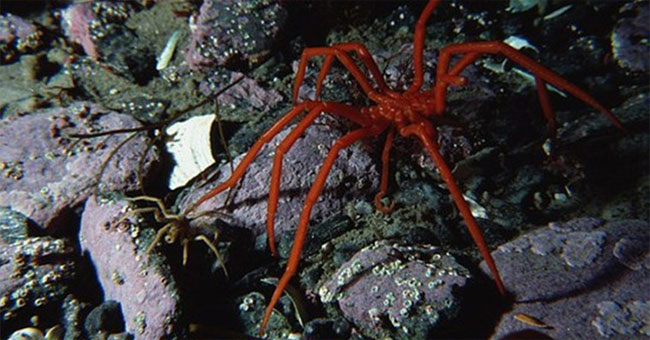
With 8 long legs and matching taps, the giant sea spiders in the polar region are bigger than the spiders everywhere else in the world.
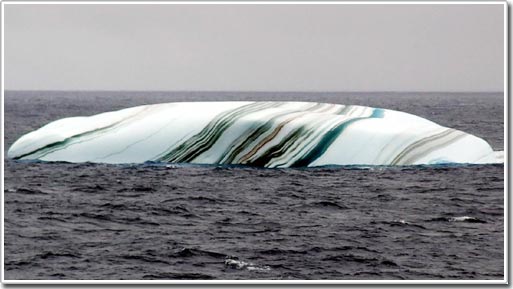
A large block of ice looks like a giant mint candy, with beautiful blue, green and brown stripes. The other one looks like it's pierced by a spear.
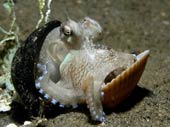
The mysteries of the deep ocean floor always stimulate people's curiosity.
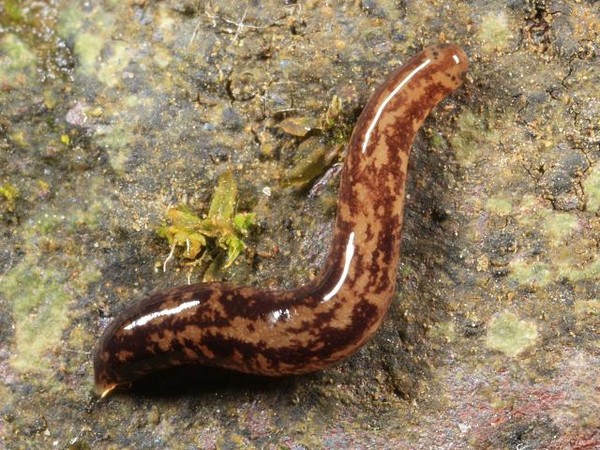
According to the researchers, this creature can stretch its body up to 60m - longer than a blue whale.
Experts are extremely surprised to find many small organisms that exist under thick ice in Antarctica.
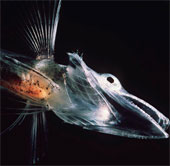
The fish that inhabit the cold waters of Antarctica are born with anticoagulant proteins in capillaries, which help the blood to flow normally without freezing.
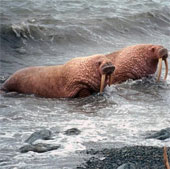
According to NOAA experts, it is the rapid melting of snow in the Arctic that causes 35,000 walrus individuals to migrate.
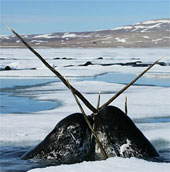
Scientists have finally deciphered the mystery of an abnormally long, spiraling tooth sticking out of the mouth of narwhal, a Arctic whale.
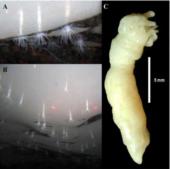
An anemone species was found under the Antarctic thick ice, and became the first marine creature to be discovered to live on ice.
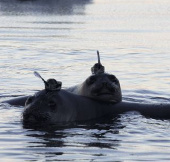
Scientists have attached the touch seal on the heads of elephant seals, used to collect and provide important data as they swim near the ocean floor in Antarctica.
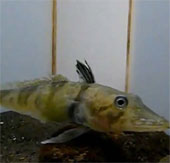
The fish has the scientific name Chionodraco rastrospinosus. The strange thing is that they do not have Hemoglobin, also called hemoglobin - which is a complex protein t…