
Space science
The phenomenon of East Asia sky was red during the 9 days of 1770
In 1770, East Asia, including some countries such as Japan, South Korea, North Korea and the east coast of China, happened to have the sky dyed red for days.
Browse ScienceInfo articles and explainers related to Aurora.
158 published items.
In 1770, East Asia, including some countries such as Japan, South Korea, North Korea and the east coast of China, happened to have the sky dyed red for days.
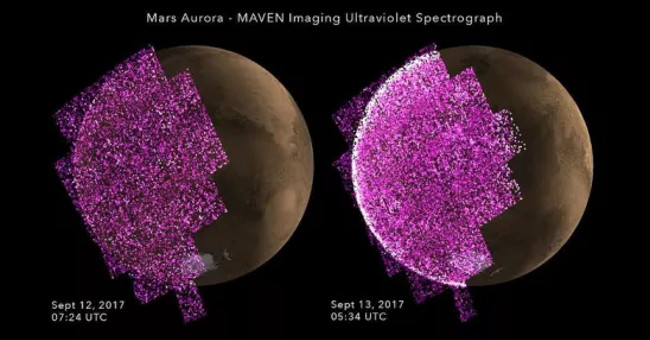
The event is caused by an intense solar wind sweeping through Mars, causing the planet's radiation level to peak.
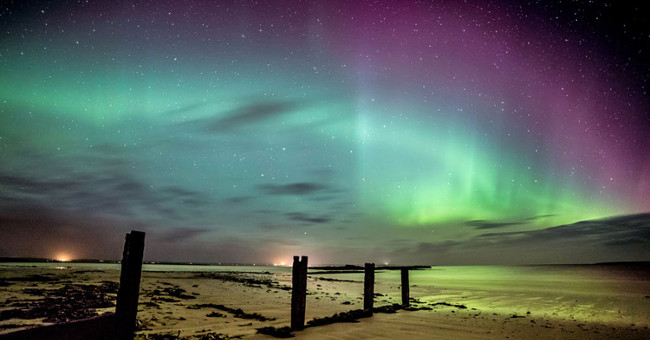
It is known that aurora is considered one of the most beautiful natural phenomena on the planet - it is
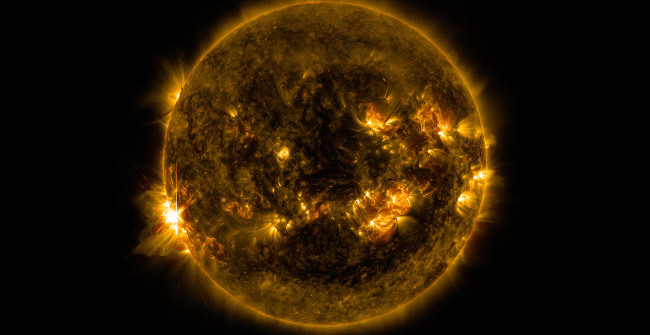
The danger now comes not only from the ground but also from the distant Sun, just recently, a major cosmic weather phenomenon has just happened from

The US Aeronautics and Space Administration (NASA) will launch a missile to create colorful clouds and luminescence on the evening of June 13 (local time) after delaying…
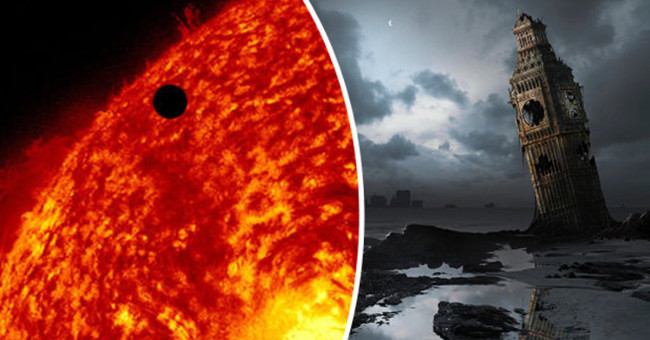
A hole about 50 times the size of Earth, can cause major global events on the green planet.
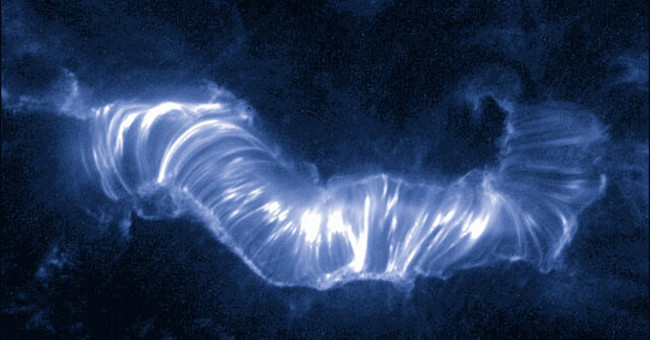
With a huge amount of energy, the Sun outbreaks have brought immeasurable harm even though millions of kilometers away.
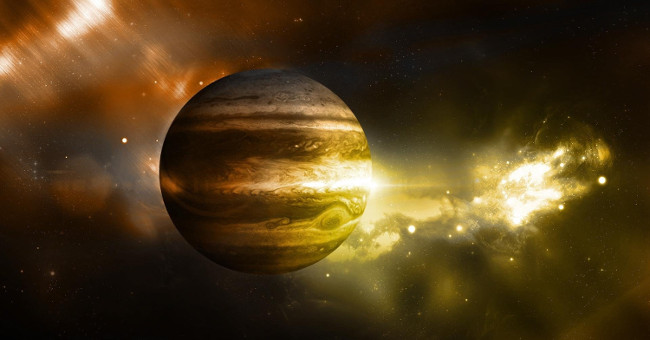
On July 4, 2016, mankind will approach Jupiter at the closest distance ever.
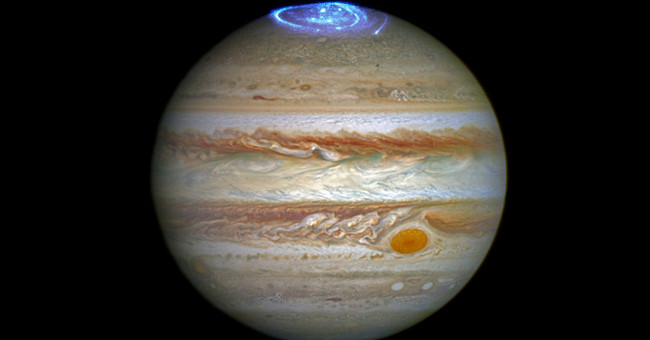
Jupiter's magnetic field is hundreds of times higher than Earth's, so the aurora phenomenon on this planet never stops and has a greater intensity than on Earth.
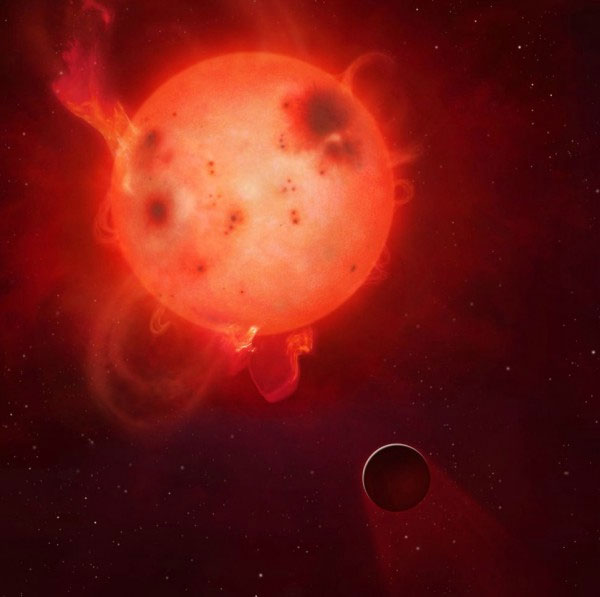
Radiation from a nearby dwarf has made the planet unable to live.

According to Rutledge, people in Asia, Europe and North America will be able to see this special event if they leave the towns with too much artificial light.
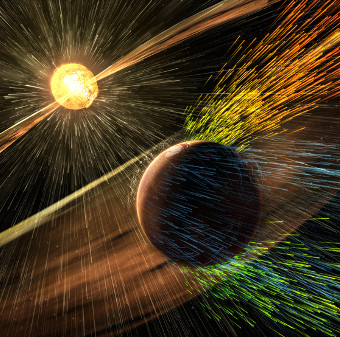
Solar storms with an energy equivalent to one million tons of TNT per hour turn Mars from an environment with a dense atmosphere and liquid water that is conducive to li…
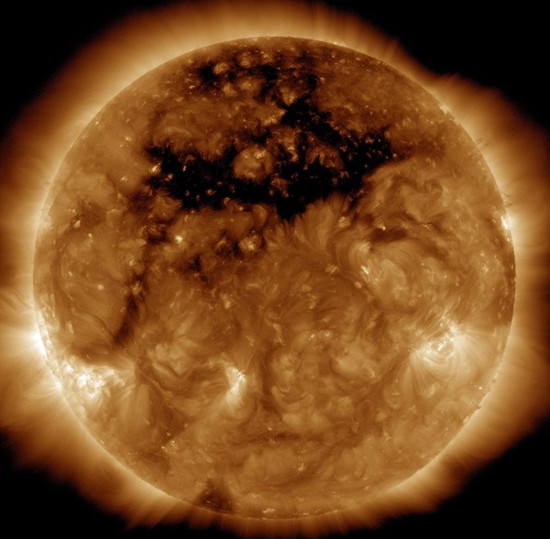
The top floor of the Sun has a giant flower hole, 50 times larger than the Earth, causing the solar wind to function strongly, causing many aurora nights on Earth.
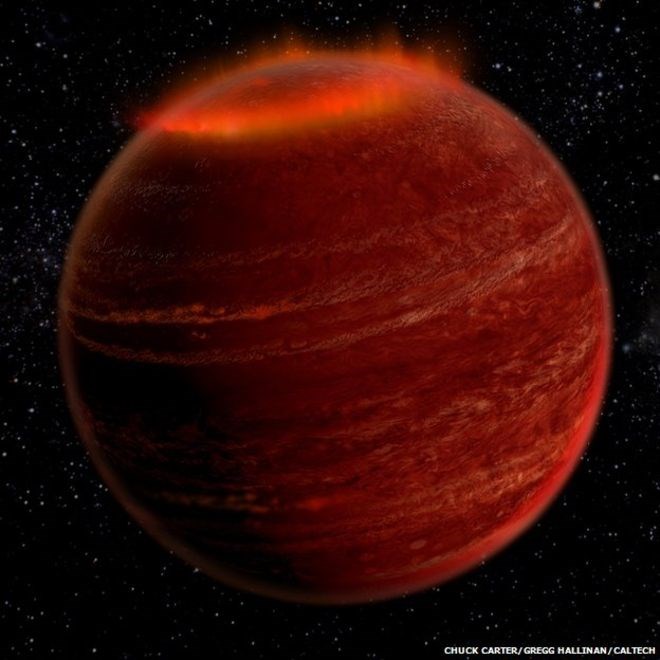
Astronomers have for the first time observed and recorded aurora outside the Solar System. The findings are published in the July 7 issue of Nature (Nature).
International astronomers claim to have enough evidence to determine the surface of the moon Ganaymede, Jupiter's largest satellite, with a giant sea of saltwater.