Medicine - Health
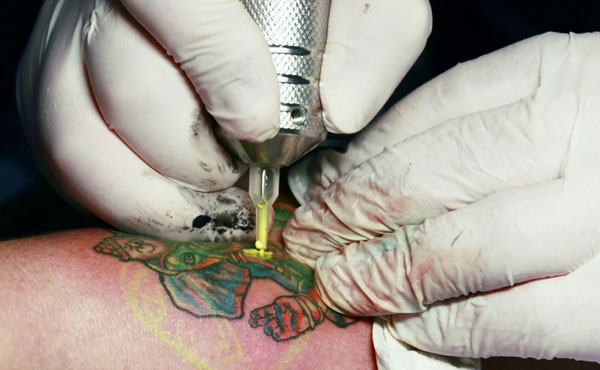
Tattoos look for skin infections
More recently, more than 20 people in four states in the United States have had skin infections after tattooing. The cause is determined by the popularity of tattoo inks.
Browse ScienceInfo articles and explainers related to Bacteria.
1,661 published items.
More recently, more than 20 people in four states in the United States have had skin infections after tattooing. The cause is determined by the popularity of tattoo inks.

According to Xinhua, the British Columbia Center for Disease Control (BCCDC), in western Canada, warned the public about the risk of disease related to eating raw or und…

According to Australian radio, on July 30, Australian city scientists in Melbourne said they have made a breakthrough in the field of research on antibiotics for antibio…

A new drug can kill bacteria in the mouth, making it completely immune to tooth decay and eliminating the need to visit your dentist. According to DailyMail, this drug i…
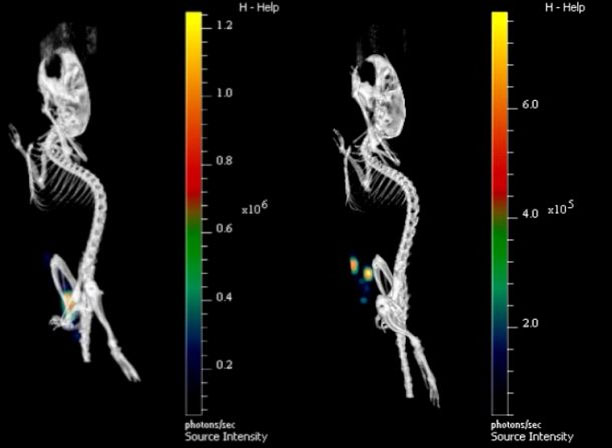
In experiments, the research team from Imperial College London implanted a type of Citrobacter rodentium into a mouse, then tracked the ambush sites, the extent of the b…
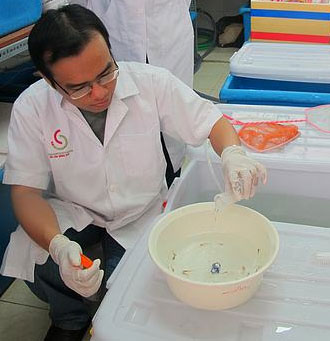
TP Biotechnology Center HCM has filed a patent application for vaccination against pneumococcal liver disease in pangasius. The vaccine uses the WZZ gene mutation method…

You want to avoid the microbes during your stay at the hotel? In the advice of scientists, to be able to do that, it is best not to turn on the television or turn on the…

US scientists have discovered a type of dog bacterium that helps boost a child's immune system against asthma, according to Discovery News. But after testing dust in fam…
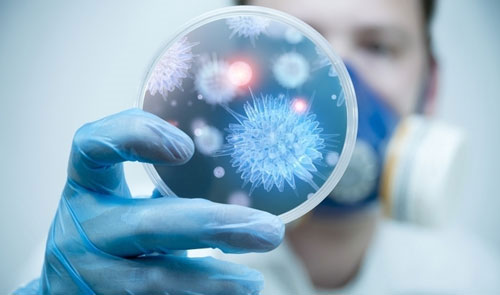
The human body has up to 10,000 living organisms with 8 million microbial genes, yet they live peacefully with humans and have reciprocal benefits, according to Health24…

The offices are home to more than 500 types of bacteria, equivalent to the amount of bacteria in toilets and airplanes. But not all offices are the same, because men's w…

Norwegian scientists have devised a way to make potato chips 'non-toxic' by eliminating poisons and carcinogens (acrylamids). The secret lies in how to deal with lactic…

A study by Indian scientists, published in The Lancet on May 31, showed the effect of zinc on accelerating the treatment and recovery process in newborns with diseases.…

Research at the University of Oregon (USA) recently showed that curcumin active in curry powder is often used by housewives in cooking can significantly increase the amo…

American scientists discovered, to have cleaner and safer drinking water, we need to add the following
New research shows that human genes may have a decisive say about which bacteria can