
Medicine - Health
92% of mobile phones contain E. coli bacteria
According to the latest study by British scientists, one in six mobile phones in the UK has an E.coli bacterium due to improper hand hygiene.
Browse ScienceInfo articles and explainers related to Bacteria.
1,661 published items.
According to the latest study by British scientists, one in six mobile phones in the UK has an E.coli bacterium due to improper hand hygiene.
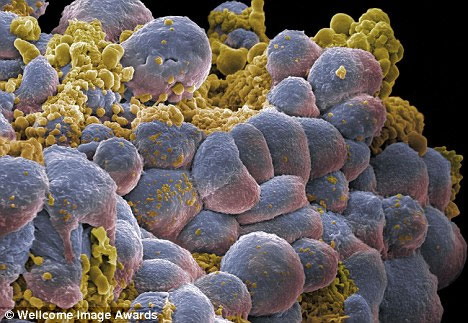
In a new study, British scientists used bacteria and DNA to form basic components for digital devices.
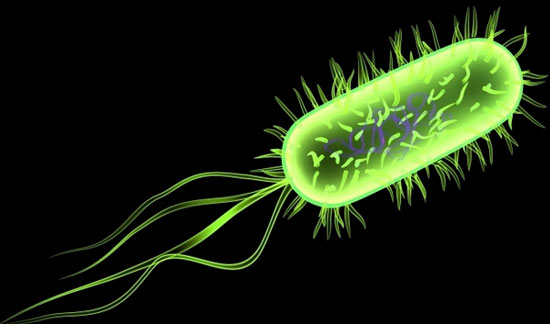
Previously, there were 72 American patients infected with listeria due to eating yellow melon, of which 13 died, making people very confused.
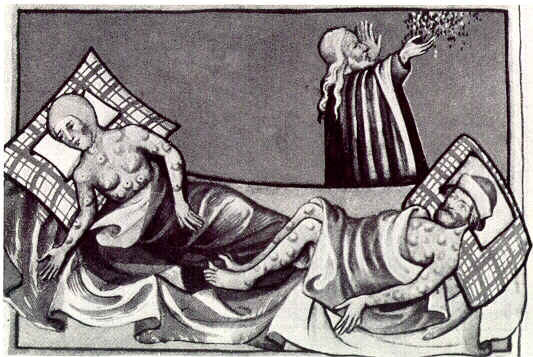
A group of scientists from Britain, Germany and the US has just announced that they have deciphered the genome of the bacterium causing the Black Death, the worst plague…
In the not-too-distant future, nano-rockets are driven by a benign fuel that can carry drugs throughout the body.

The world's largest vaccine manufacturer, Sanofi-Pasteur, has signed a contract with the University of California (USA) to develop a vaccine for acne.
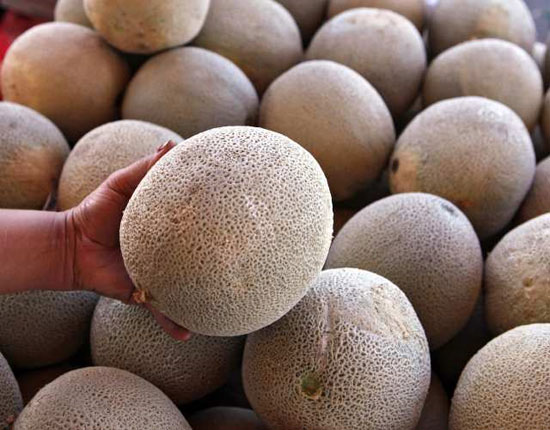
CDC's Centers for Disease Control and Prevention says at least 13 people have been killed and 72 others are in danger due to an outbreak of the disease. Bacteria from Co…
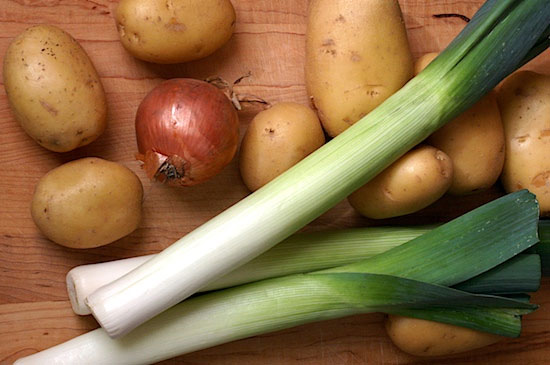
The British Health Protection Agency (HPA) said soiled leeks and potatoes could be the cause of E.coli outbreaks in the UK earlier this year.
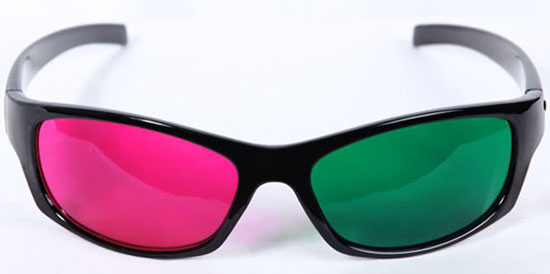
It has been proved that 3D glasses, which are played out to guests before the start of the movie and recorded when finished, can save many types of bacteria.

The molecules present in the body of Wallaby (kangaroos) and young platypus are considered highly effective in destroying a range of multi-drug resistant bacteria.

What Alex Hannard wants most is being able to play in the yard with his friends but it is impossible because a grass can kill the boy.

Bubonic plague, a bacterial infection that causes the lymph nodes to swell, is painful called lymphadenopathy.

A new study confirms mothers' first kisses to give babies resistance to some inflammatory diseases.
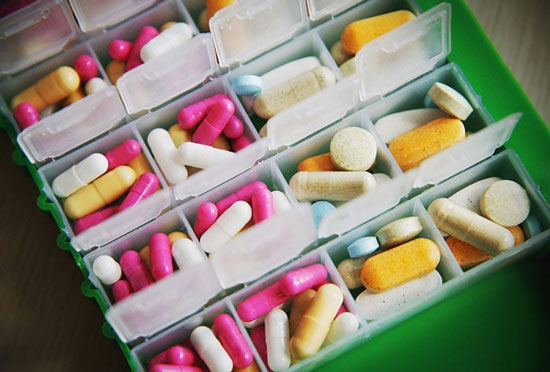
Doctors should drastically reduce prescribing antibiotics for children because of the abuse it can

Essential oils extracted from coriander seeds can be used to treat many diseases such as food poisoning and diseases caused by MRSA - Portuguese scientists said.