New technology
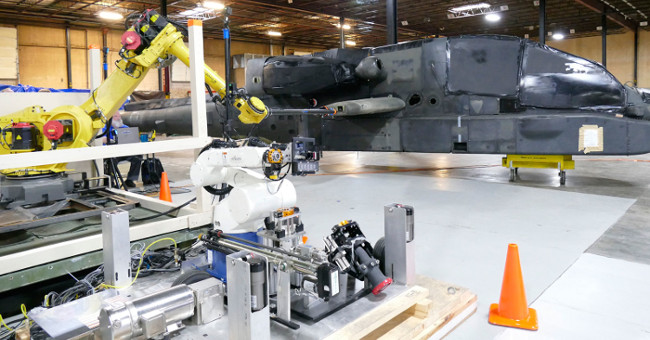
The US Army tests refueling robots for combat helicopters
The army regularly set up refueling stations at forward bases so helicopters could return to the war as quickly as possible.
Browse ScienceInfo articles and explainers related to Base.
254 published items.
The army regularly set up refueling stations at forward bases so helicopters could return to the war as quickly as possible.
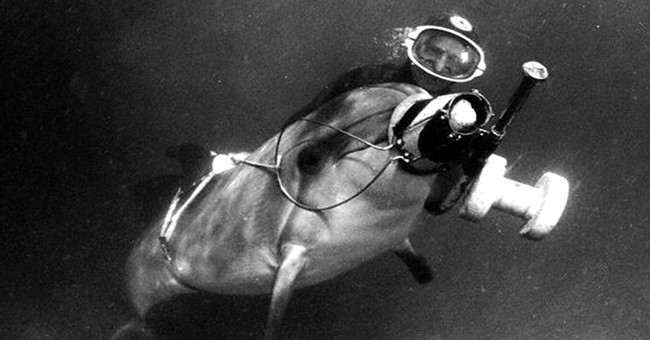
Russia hopes to train whales to protect its naval base and even destroy the intruder.
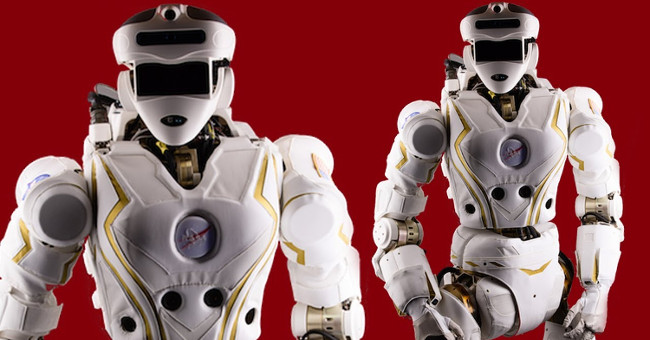
After attending DARPA's search and rescue robot competition last year, NASA continues to develop Valkyrie as a stand-alone robot.

The team of designers from The Hoshinchu (Japan) has combined technology with bonsai art to create a unique product called

By heating sulfur at twice its melting point, scientists believe they can produce concrete from Mars's material.
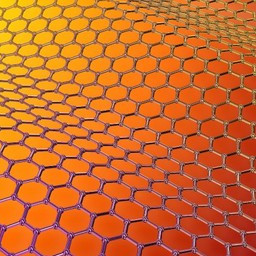
The only thing that keeps graphene from creating a comprehensive revolution is the expensive price.

FuelWear, based in Toronto, Canada, has launched the Flame Base Layer.

The US Advanced Defense Projects Agency (DARPA) has begun a plan to expand connections for military units outside the front by using small unmanned drones (Drones) made…
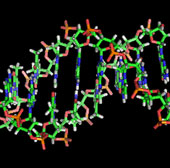
In an effort to eliminate low-quality or disguised electronics, the US Department of Defense began applying DNA barcodes to track the origin of the device.

Whether it is an online banking, social networking or email account, all traditional codes can be replaced by waving to Intel technology.
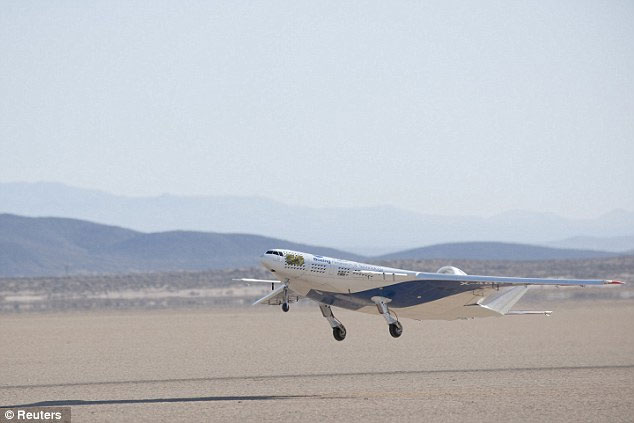
NASA and Boeing have successfully tested the modified X-48C aircraft at the Edwards Air Force Base in California. With this success, NASA hopes the X-48C will become pop…
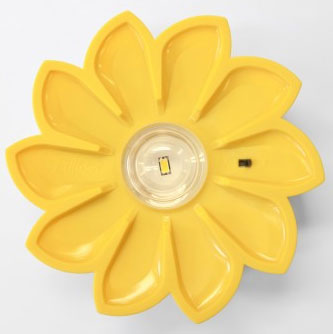
Icelandic artist Olafur Eliasson has worked with engineer Frederick Ottesen to create a light bulb called the 'little sun' with the hope of bringing light to dev…

The emergence of water espionage is really a threat to the naval bases, becoming the driving force behind the development of the 'imitation of counterfeit' weapons.
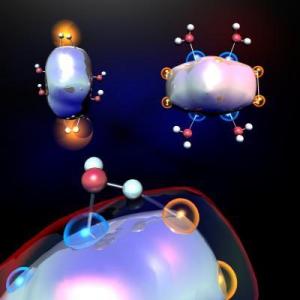
Scientists at Penn State University and Virginia Commonwealth University have discovered a way to produce hydrogen by exposing aluminum clusters to water.