
Medicine - Health
Health-promoting foods in the winter
There are many ways to help you improve your health in the winter, such as warming, regular exercise and, of course, you can't give up a rich diet.
Browse ScienceInfo articles and explainers related to Cardiovascular.
330 published items.
There are many ways to help you improve your health in the winter, such as warming, regular exercise and, of course, you can't give up a rich diet.

A group of Italian scientists have discovered the type of heart rhythm control gene named Hcn4.

Recent research by scientists has shown that eating less vegetables and fruits can increase diseases like obesity and diabetes.

Drinking 1 or 2 tablespoons of fruit vinegar each day can help increase good cholesterol levels and reduce the risk of cardiovascular disease, according to a recent stud…

According to US scientists, the symptoms of loud snoring, difficulty sleeping are predictive signs of the development of metabolic syndrome.
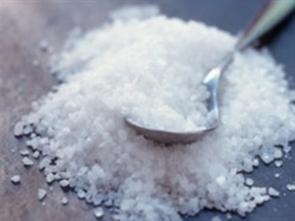
US scientists say limiting salty intake when young is an increase in growth will reduce the risk of cardiovascular disease and stroke.

Scientists at the University of Tasmania (Australia) warn that not eating breakfast regularly increases the risk of obesity and cardiovascular diseases.
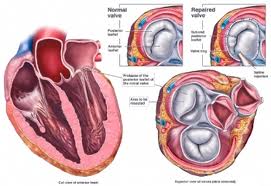
Researchers at the San Francisco VA Medical Center in the United States found that if given cardiovascular patients taking beta blockers during surgery, there would be a…

Scientists have found that the amino acid L-citrulline, there are many in watermelons, ...
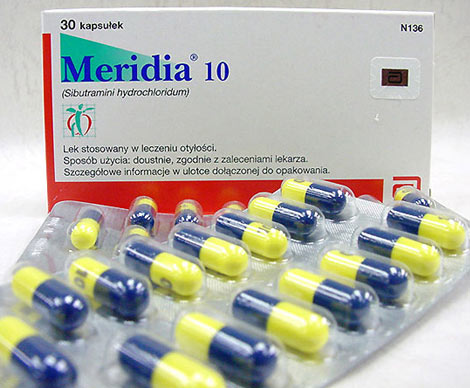
The Singapore Health Science Agency (HSA) has decided to suspend the sale of sibutramine products in the country since October 11.

Scientists at Canada's University of Western Ontario have discovered that chronic stress can increase the risk of heart attacks.
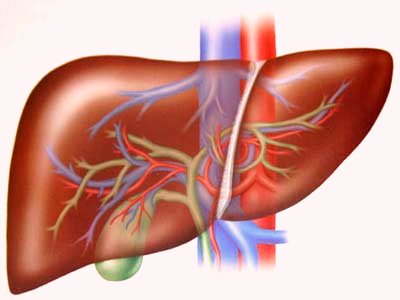
British scientists say they can create liver cells for the first time by re-establishing stem cells from patients' skin samples.

According to a recent study by US scientists, regular sleep less than or more than 7 hours a day is closely related to the increased risk of cardiovascular disease.

Human blood pressure increases if we are exposed to polluted air in cities for long periods of time.

A recent study by scientists from Cordoba University (Spain) found that phenol in olive oil could inhibit some harmful genes.