
Medicine - Health
Effect of preventing 9 unexpected diseases of filtered water
Drinking 1 cup of filtered water in the morning can save lives, especially those with a history of cardiovascular disease.
Browse ScienceInfo articles and explainers related to Cardiovascular.
330 published items.
Drinking 1 cup of filtered water in the morning can save lives, especially those with a history of cardiovascular disease.

To prevent an increase in obesity, diabetes, cardiovascular disease, etc., many health professionals are encouraging to adjust their lifestyles, starting with structurin…

According to Xinhua, Australian scientists have developed a smartphone application capable of supporting people with heart attacks during the recovery process.

Pomegranate is a fruit containing high levels of nutrients that bring many benefits to the body.

Climbing the staircase consumes 8-9 times more energy than sitting and 7 times more than taking the elevator.
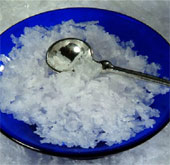
The absorption of too much salt, nearly twice the level recommended by the World Health Organization (WHO), has led to more than 1.6 million heart disease-related deaths…
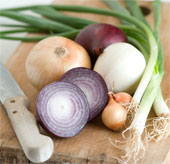
Onions have preventive and antibacterial properties to cleanse the body detox, help prevent many important diseases such as cardiovascular, cancer, asthma, diabetes.

Thousands of miniature hearts are being cultivated to serve in a medical study by a group of scientists in Scotland.

Air pollution is associated with an increased risk of a disease that causes irregular heartbeats and blood clots in the lungs, according to scientists.

The presence of calcium in vinegar and the ability to support your body to absorb calcium can help your bones become stronger.
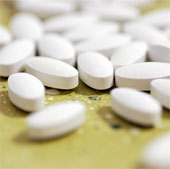
A new study contradicts previous claims that calcium supplementation increases the risk of cardiovascular disease.

He launched a project to scan organs in an effort to gather information to support research on diseases such as diabetes, cancer and cardiovascular disease.

Smoking marijuana can increase the risk of cardiovascular disease in young people and may even be fatal from dangerous complications.
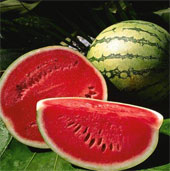
Adding watermelons to this season's meal will provide a great range of benefits for your heart, eyes and immune system.

Overweight teenagers who eat too much salty foods can age more quickly, according to a new US study.