Oceanography
Climate change causes seawater acidification to threaten marine species
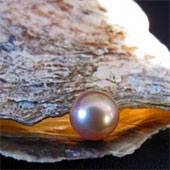
The number of clams in the ocean is threatened by acidified seawater due to climate change.
Browse ScienceInfo articles and explainers related to Climate.
1,891 published items.
The number of clams in the ocean is threatened by acidified seawater due to climate change.
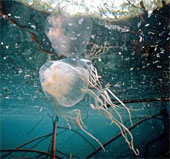
Scientists around the world have just warned about the rapid increase in the number of jellyfish species, in most of the world's seas.

The oceans on Earth will boil water after three centuries. But before long, all species of fish and birds were extinct, seawater turned into

According to the new report of the International Program on Ocean Status (IPSO), the health of the world's oceans is severely declining at a faster rate than expected.
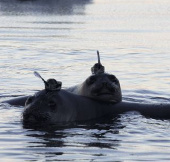
Scientists have attached the touch seal on the heads of elephant seals, used to collect and provide important data as they swim near the ocean floor in Antarctica.
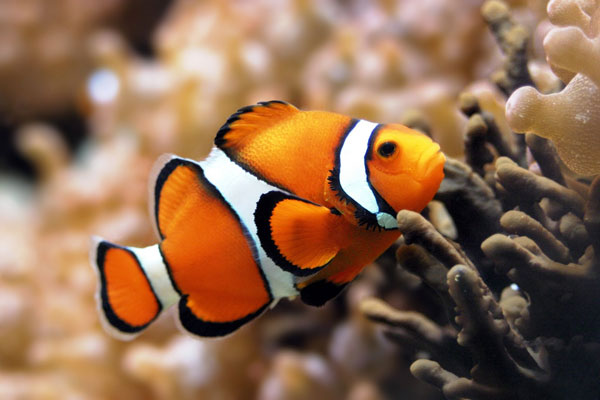
Dr. William Cheung, an expert at the University of British Columbia in Canada, and his colleagues modeled the impact of global temperature rise on more than 600 species…
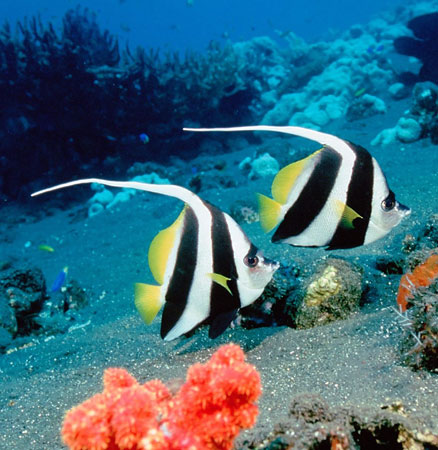
Some areas of the ocean become more salty while salt concentrations in other regions have decreased over the past half century and the US Aerospace Agency (NASA) wants t…

The coral reefs across the earth are disappearing too fast due to the effects of climate change, warning of more than 2,600 leading scientists in the oceanic industry on…
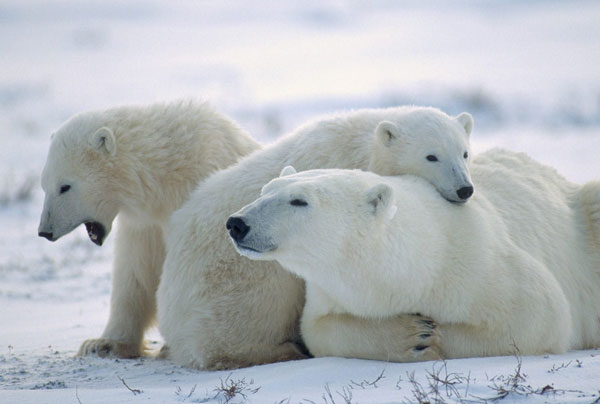
But research by Frank Hailer and colleagues published on April 19 shows that the species has 600,000 years of being familiar with polar conditions. And it also means tha…
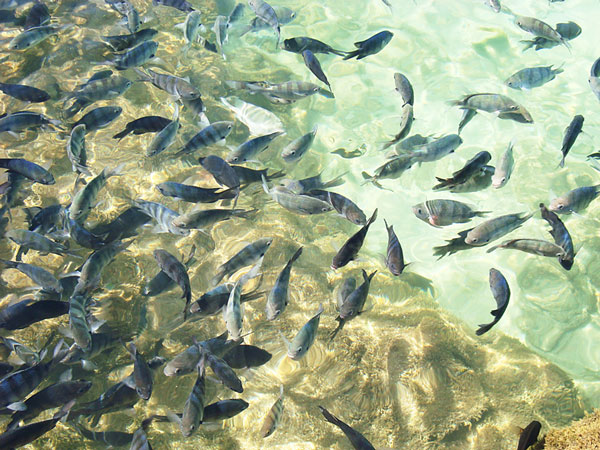
The Union of Environmental Organizations has issued a statement calling for protection of the marine environment in the Ross Sea in Antarctica to prevent the development…

The cause of 20 tons of dead fish seems to be unknown to scientists and residents living near the coast of Kvennes in Nordreisa, northern Norway.
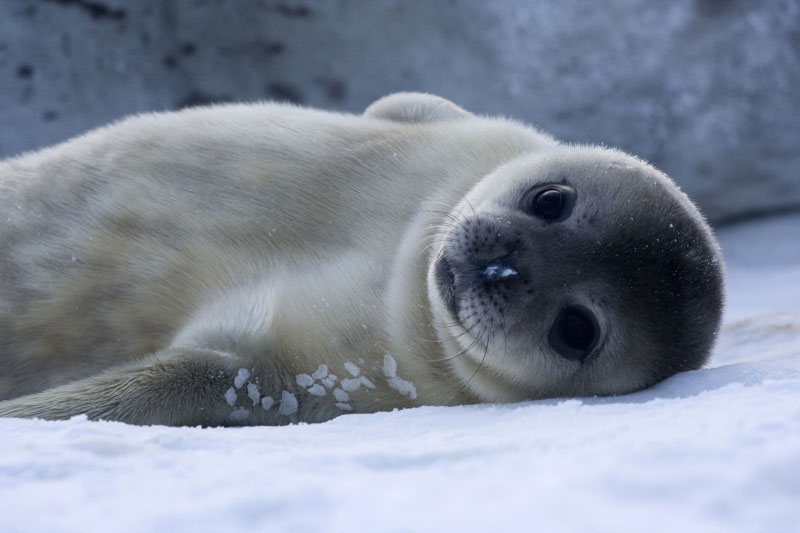
Researchers at Duke University in the United States have found that ice in the breeding area of this seal is decreasing by about 6% per decade over the past 30 years.
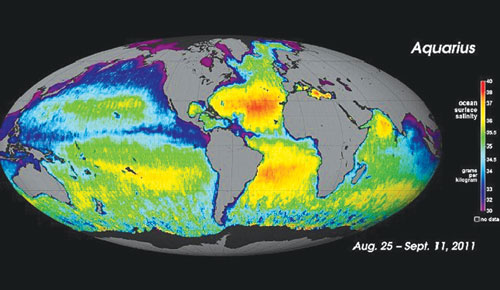
Of course everyone knows seawater is salty, but the concentration here is different. When you know the level of salt in the ocean, it is easier to unlock mysteries such…
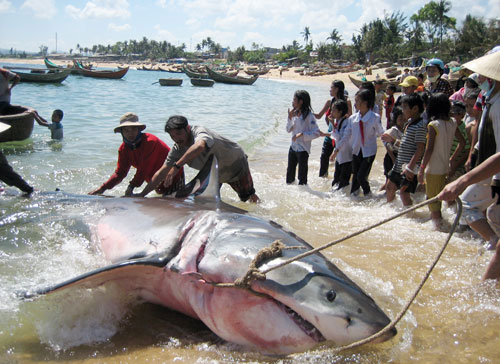
Scientists are trying to find an explanation for a series of mysterious shark attacks in different countries recently.
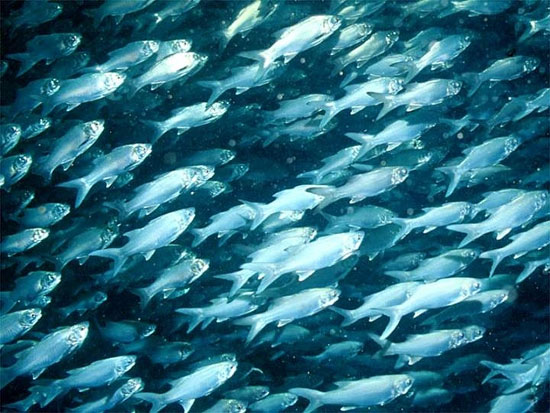
More than half of the important fish groups with marine food networks can die because global warming reduces the amount of dissolved oxygen in seawater in many areas.