Science invention
Camera works permanently
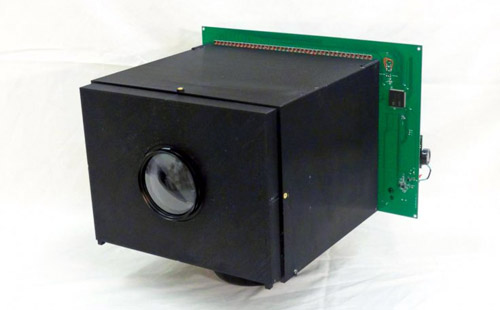
US scientists have successfully built self-powered cameras, use less power and can theoretically operate permanently.
Browse ScienceInfo articles and explainers related to Computer.
2,119 published items.
US scientists have successfully built self-powered cameras, use less power and can theoretically operate permanently.
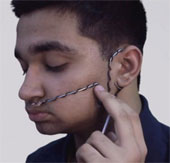
A dedicated computer system that allows people with abnormalities, dysfunctional disorders such as ALS or Parkinson usually costs thousands of dollars.
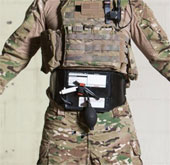
Simple light bulbs to scare off lions, complex computer algorithms to detect cancer ... are the most attractive inventions voted by the magazine Ibtimes in 2013.
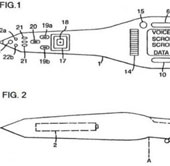
The US Patent and Trademark Office has just issued Apple a patent for a form of mobile computing that fits in a pen, complementing the phone network and GPS capabilities.

Engineers develop new energy efficient computer memory using magnetic materials by using electrical voltage instead of running current.
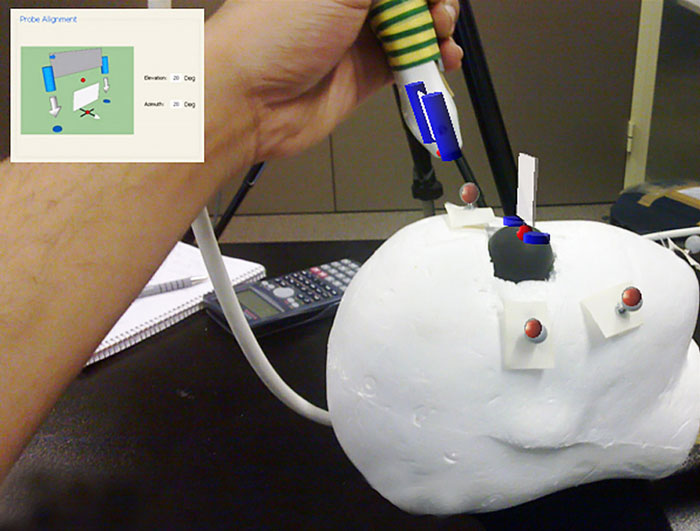
Experts of the European Aeronautics Agency (ESA) are trying to build a device that can support the implementation of simple surgeries in urgent conditions.
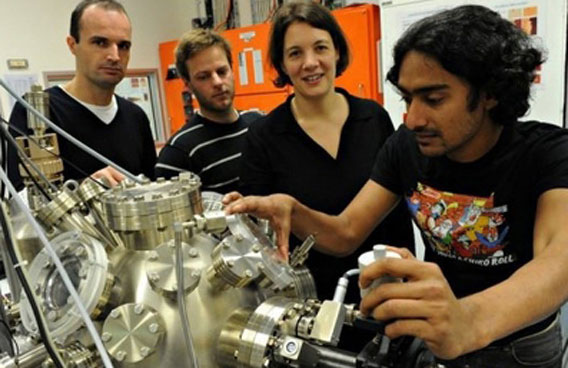
Experts from the University of New South Wales (Australia) have made breakthroughs when successfully developing semiconductors from a single atom.

This sounds like in a fictional novel: People can interact with each other without words, just think for a moment.
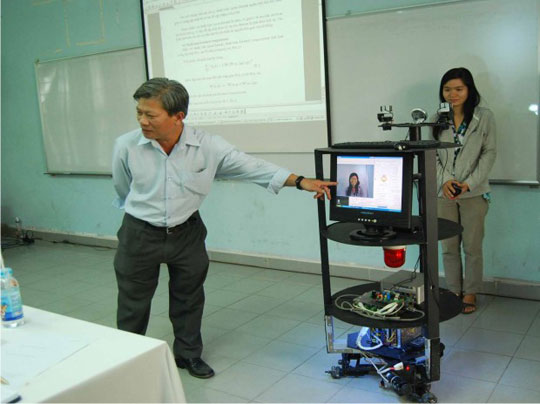
Dr. Nguyen Duc Thanh, Faculty of Electrical and Electronics, Ho Chi Minh City University of Technology has successfully researched human emotion recognition robots.
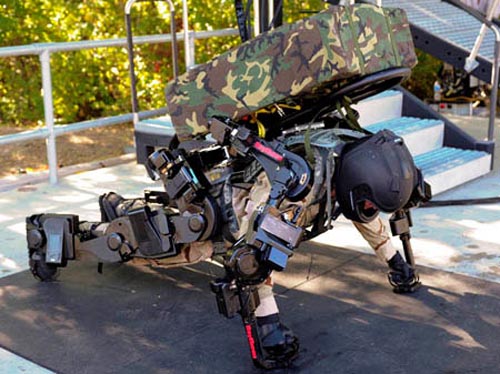
Scientists are the best writers and directors, though they are unaware that they are creating the most realistic footage of people.
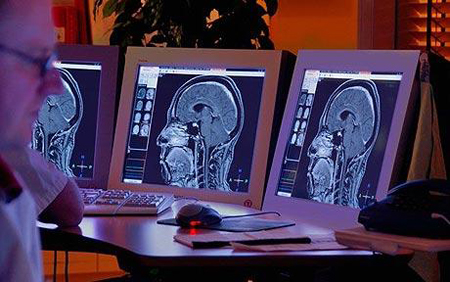
Intel Corporation successfully built a computer that can read words that people think in the brain, so that we can manipulate without having to move our hands.

An Italian inventor Enrico Dini has developed a three-dimensional (3D) printer called D-Shape. It can print an entire house with sand and artificial glue.

British scientists have recently studied a mouth-reading computer that distinguishes different languages.

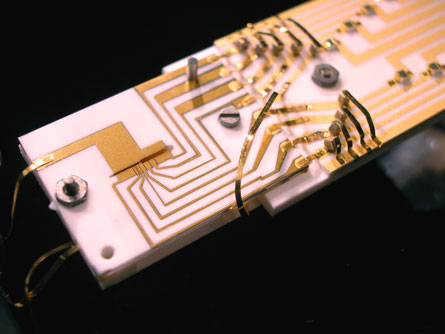
Cold-held Beilons can store and communicate information, bringing powerful quantum computers closer to reality.