Archeology
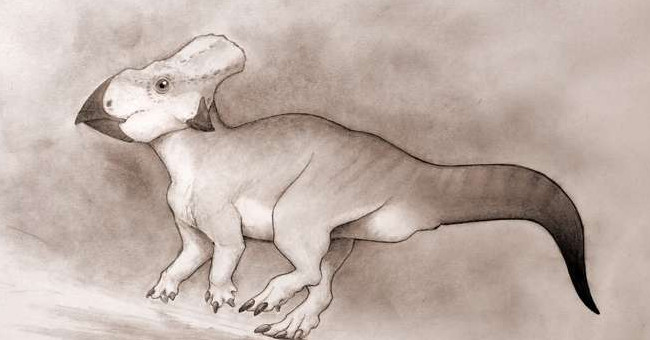
Triceratops are only as big as a dog
Strange relatives of the triceratops reveal the effects of continental division on evolution.
Browse ScienceInfo articles and explainers related to Dog.
662 published items.
Strange relatives of the triceratops reveal the effects of continental division on evolution.

The mouse is 10 times the size of modern mice living in East Timor about 1,000 years ago, and is the largest rat ever discovered by archaeologists.
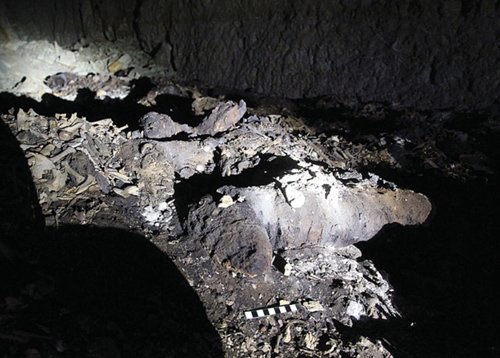
Archaeologists discovered 8 million dog mummies at the grave honoring the ancient Egyptian dog god Anubis.

Researchers at the University of Illinois conducted research on fossils of ancient dogs in search of their origin and ancient American civilization.
The giant dog skeleton found in July was said to be a legendary ghost dog creature once.
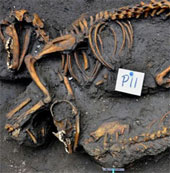
Recent archaeologists have discovered a special burial site containing the skeletons of 12 dogs from the 14th century.
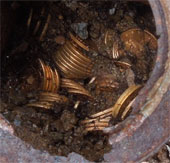
A couple living in Northern California, the United States was fortunate to discover a treasure with 8 jars filled with gold coins in their yard.
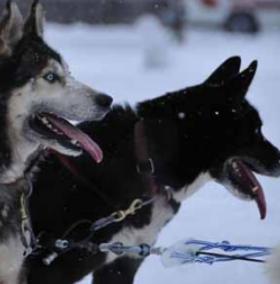
UK experts have found the cancer germ still spreading today
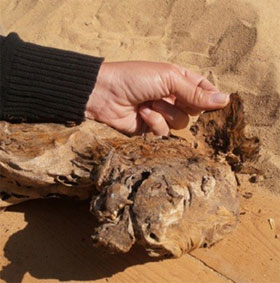
Archaeological results show that many parasites suck blood on mummy bodies of these ancient Egyptian dogs.

No one knows exactly when humans began to tame wolves. Scientists once found a dog skull in Russia's Siberia Mountains. Chronology of the skull shows that humans began t…
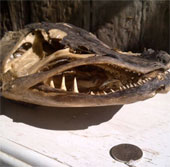
Scientists confirm that the largest ever skull of dogfish (scientific name Esox lucius) was found at Cherwell River (England).
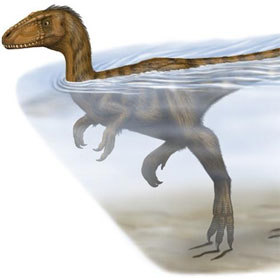
Dinosaurs can be quite heavy on the set, but new evidence suggests that they are ranking swimmers, overpowering long distances, of course underwater.
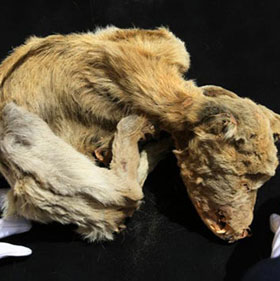
According to a reporter in Mexico, dog mummies, about 42cm long and 22cm high, were found in 1953 at Candelaria Cave in the state of Coahuila in northern Mexico, along w…
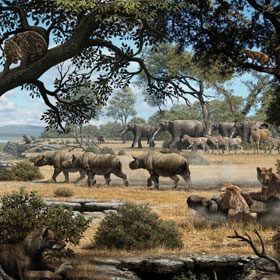
Everyone knows dogs and cats are enemies, but recent archaeological evidence has shown that 9 million years ago dogs (bear dogs) and cats (sword cats) used to live peace…

Stegosaurus, a plant-eating dinosaur, lived in the late Jurassic period (about 155 million to 150 million years ago), mainly in the northwestern part of North America, b…