Space science
India launches unmanned space module weighing 3.7 tons
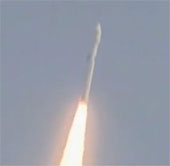
On the morning of December 18, India successfully launched a 3.7-ton unmanned space module with a GSLV Mark III rocket - the most modern rocket in the country.
Browse ScienceInfo articles and explainers related to Earth.
6,625 published items.
On the morning of December 18, India successfully launched a 3.7-ton unmanned space module with a GSLV Mark III rocket - the most modern rocket in the country.
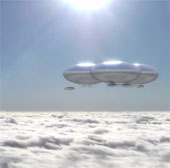
The US Aeronautics Agency (NASA) came up with the idea of building floating spectral walls on the planet that they think are similar to Earth.
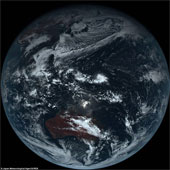
A photo recently taken by Japanese weather satellite shows the real image of the Earth, which surprised many people.
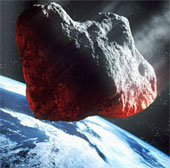
Scientists say an asteroid, 20 times larger than a meteorite that once caused a big explosion in Russia, will approach Earth on January 26.
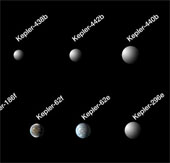
NASA's Kepler telescope discovered eight new distant planets, including the most Earth-like planet found to date.
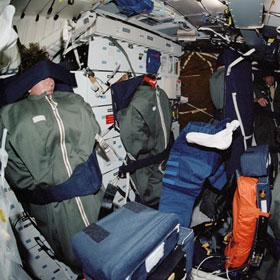
Learn about the exciting outer space through the words of a NASA astronaut.
With only a computer connected to the network, you can experience the perspective of an astronaut when looking at Earth from a height of 430km.
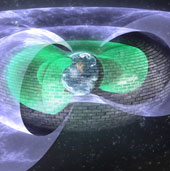
An invisible shield at 11,500km altitude is protecting the Earth from dangerous electronic particles, especially when intense solar storms occur.
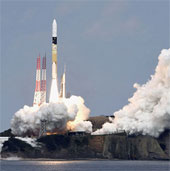
On December 3, Japan Air Exploration Agency (JAXA) successfully launched the Hayabusa 2 meteorite exploration spacecraft.
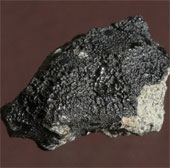
A meteorite from Mars contains signs of water and organic compounds, which may be evidence that extraterrestrial life existed 700,000 years ago.
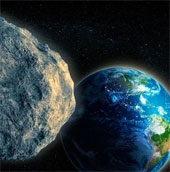
A stone tablet is as big as a mountain flying close to the globe every 3 years and it can collide with the green planet within 150 years.
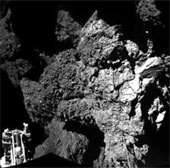
Data from the Rosetta spacecraft and the Philae robot show that comets do not bring water to the earth in the past as the scientific community previously determined.

The researchers were stunned to discover that DNA could survive in the harsh conditions of space and almost
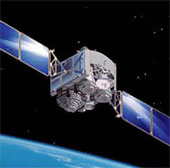
An old reconnaissance satellite will ignite when approaching the Earth's atmosphere tomorrow, expecting debris to fall into the Pacific Ocean.
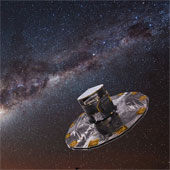
It is possible that about 70 thousand new planets were discovered during the exploration of European spacecraft that took off from the earth since 2013.