Environment
Volcanoes wake up, pink iguanas are in danger
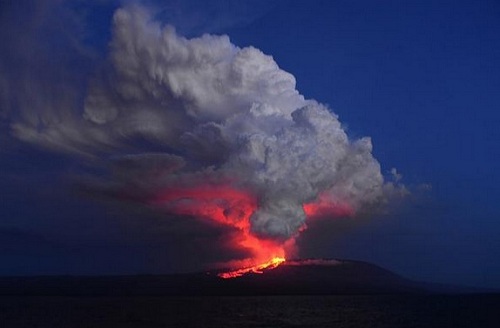
Volcano Wolf on May 25 first erupted after more than 30 years of inactivity, threatening the rare pink iguanas in the world.
Browse ScienceInfo articles and explainers related to Ecuador.
59 published items.
Volcano Wolf on May 25 first erupted after more than 30 years of inactivity, threatening the rare pink iguanas in the world.
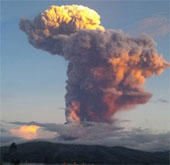
A volcanic eruption in Ecuador erupts into thick ash dust columns about 10km high.
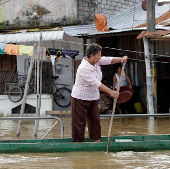
Ecuadorian officials on March 3 said at least eight people were killed in a long-term heavy rain flood that occurred in the coastal province of Guayas, in the southweste…
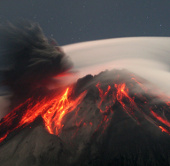
The Ecuadorian government on December 16 raised the alert level from
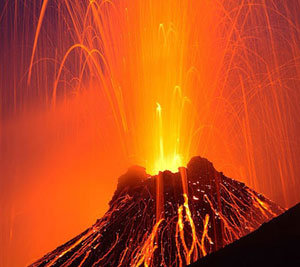
Merapi volcano caused countless losses to the Indonesian people despite its rage lasting nearly two weeks, but some other volcanoes ...

Two volcanoes in Guatemala and Ecuador erupted, killing two people, several thousand evacuating and many cities sinking in ash.

Two volcanic researchers from the Institute of Geophysics of Ecuador University have announced the discovery of five volcanoes in the Andes in the South American nation.
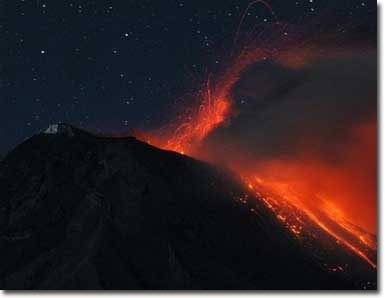
On January 9, a volcanic activity researcher in Ecuador said the Tungurahua volcano is working again. Authorities evacuated 10 villages living there.
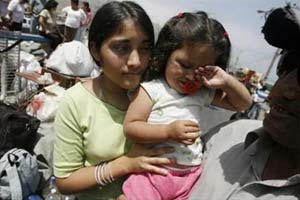
A strong magnitude 6.7 earthquake shook the border area between Peru and Ecuador on the evening of November 15 (local time). On the same day, many strong earthquake afte…
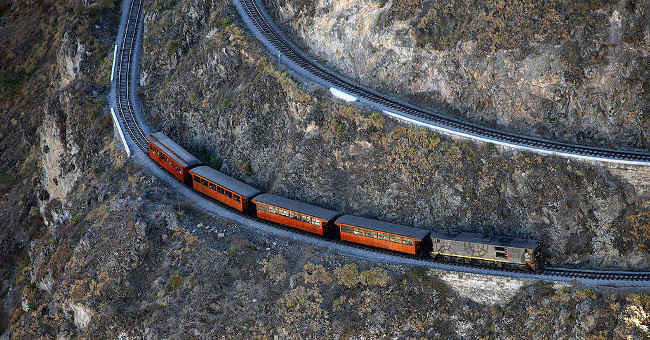
For 25 years, more than 2,000 people were killed to build the Nariz del Diablo railway (meaning the Devil's Nose).

National Geographic has selected the list of unique and impressive tourism works from tens of thousands of photographs of photographers from all over the world.
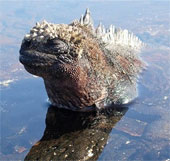
Sea lions live in the Galapagos Islands, located in western Ecuador, 1,000 km from the mainland. According to experts, this reptile is present here since prehistoric tim…
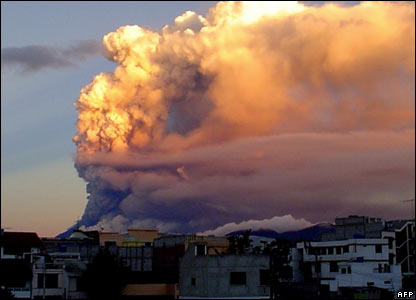
Tungurahua volcano in Ecuador returned after eight decades. About 3,700 people are currently evacuated from the Tungurahua volcano, 135km south of Ecuador's capital Quit…
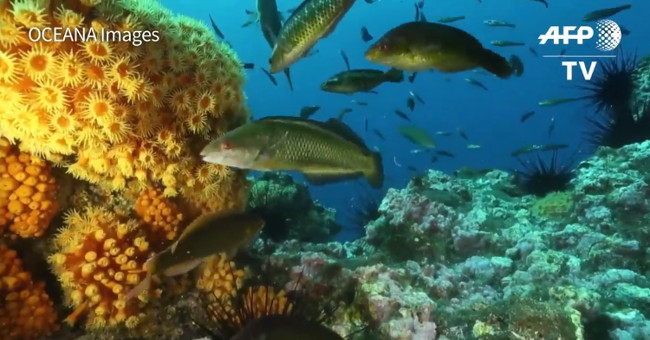
The park covers an area of 268,000 km2, helping protect the Juan Fernandez Islands biodiversity of Chile in the Pacific Ocean.