New technology
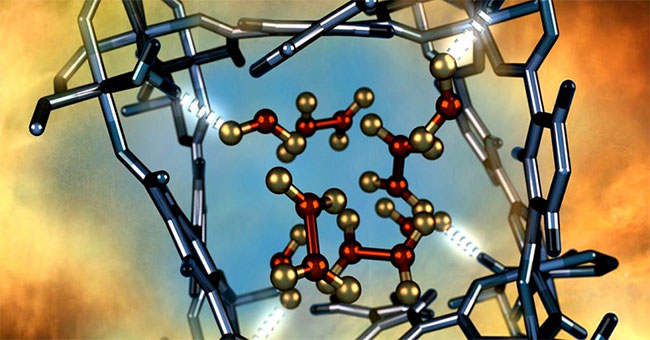
Found a kind of material that can trap toxic emissions in the air
Scientists have long been extremely concerned about climate warming due to the greenhouse effect caused by the emissions of vehicles and factories.
Browse ScienceInfo articles and explainers related to Emission.
570 published items.
Scientists have long been extremely concerned about climate warming due to the greenhouse effect caused by the emissions of vehicles and factories.

On 10/10/2017, Alstom launched Coradia iLint at a factory in northern Germany.

This lamp was installed in Norway on 8km of highway in Buskerud province. The mechanism of operation of the lamp is automatically reduced by 20% when no car, bicycle or…

Accordingly, the above cannons, shaped like a magnified hair dryer, were placed behind a truck, which was tested in the Anand Vihar area in the eastern capital of New De…

Plants help absorb CO2, which is what we all know, even plants can absorb about 25% of CO2 emissions that humans produce to serve photosynthesis and growth.

Germany will make the world astonished when the introduction of hydrail can run 800km per day with a maximum speed of 140km / h.

Germany is planning to soon put into use hydrogen fuel trains to protect the environment in 2017 or 2018.

New technology products from self-driving cars to mini nuclear reactors are all a result of scientists' ideas to save energy, reduce harmful emissions, and smart control…
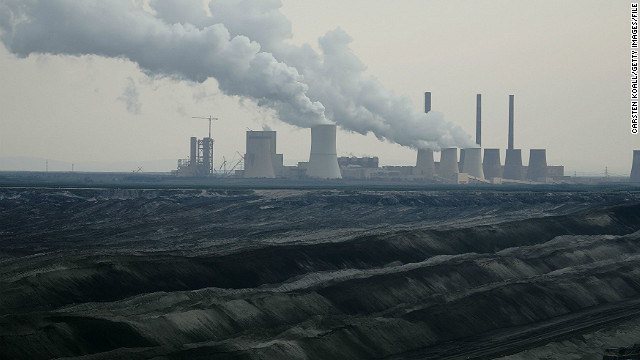
This is a great idea of a 'win-win' model because this process can both reduce the amount of CO2 in the atmosphere and produce environmentally friendly biofuels.
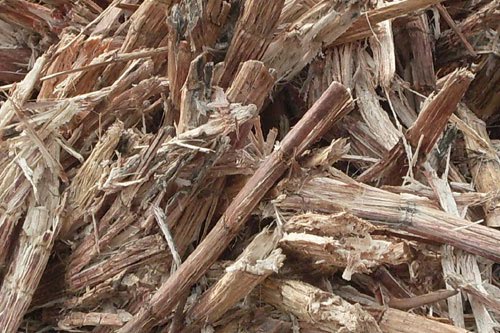
US scientists have recently announced a breakthrough new invention, which helps create grease fuel from bagasse to replace diesel engines and lubricants on aircraft.
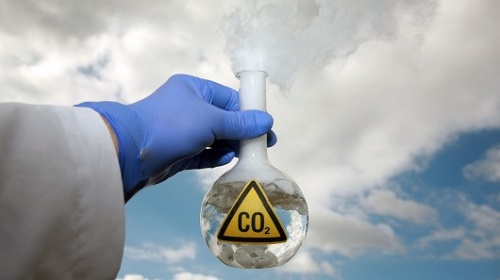
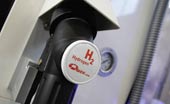
US scientists have found a way to produce cheaper and less expensive hydrogen fuel by treating corn husks or corn stalks.

A Hungarian architect studied new construction techniques, created water walls, helped balance the heat for the whole building, as well as reducing carbon emissions.
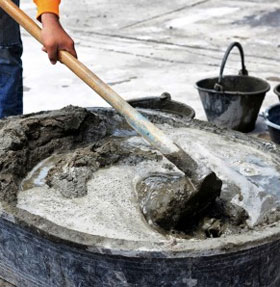
Researchers at the Massachusetts Institute of Technology (MIT) have developed a new cement formula that uses a reasonable ratio of material composition.
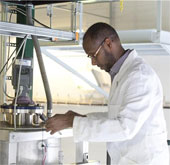
Researchers at Aalto University have developed a pilot project to convert CO2 and slag, the byproduct of steel production, into a valuable mineral product.