
Medicine - Health
How does the human body change in the fall?
In the autumn, people work better, are more sad, often sleep and need more sex.
Browse ScienceInfo articles and explainers related to Emotion.
315 published items.
In the autumn, people work better, are more sad, often sleep and need more sex.

If you are constantly in a state of anxiety and anxiety, you may have formed a habit of improper breathing, which has reduced your health.

On average, people sigh about 12 times per hour, not because of sadness or anger, but simply to re-inflate the air for half a billion alveoli bags in their lungs.

The most important thing is that we have to live true to our emotions. Trying to be happy and hide the sadness in your heart will accelerate psychological stress.

Emotional synchronization in humans is the cause of these
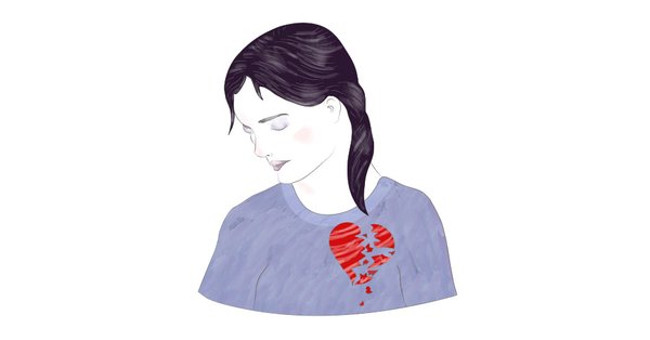
Emotional sadness causes heart rate to drop, hormone levels change, immune system weakens, sleep disturbance and hair falls more than usual.
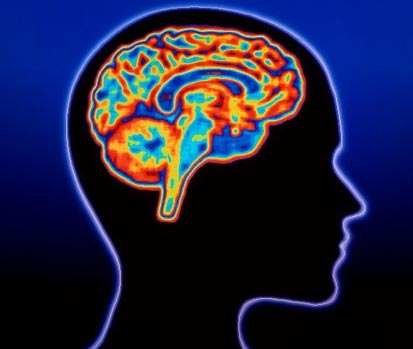
We have many questions about incredible things but few know that most of these phenomena come from our own brains.

Parents who take the time to play and chat with their 5-month-old baby may wonder, can they remember anything the next day?

Researchers have just published an interesting fact that listening to sad music will make people feel better.

Seeing a person scratching or yawning, you also want to follow. Researchers believe that the transmission of this behavior is caused by psychological sensations
Scientists have discovered why some teenagers are so engaged in serious risks, even taking action against society.

According to a recent study, people who often suffer from tinnitus will experience more emotional impact than those who do not suffer from the disease. That makes them m…

Lip kiss is a way of expressing feelings that are no stranger to people, it brings sweet feelings of love.

Although emotions are a form of strength and an integral part of life, they can have a significant impact on health - especially negative emotions.

TIME just led the results of a new study by the University of California San Diego (USA), said positive emotions are easily spread on Facebook rather than negative emoti…