Archeology
The 42,000-year-old mammoth appeared for the first time
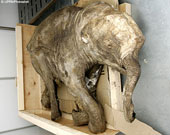
The Mammoth Elephant named Lyuba, after 42,000 years of being buried in mud, first appeared in the US public at The Field Museum, Chicago state.
Browse ScienceInfo articles and explainers related to EoL.
1,240 published items.
The Mammoth Elephant named Lyuba, after 42,000 years of being buried in mud, first appeared in the US public at The Field Museum, Chicago state.

The controversy over the grave of the famous general of the Three Kingdoms period Cao Cao has not yet come to an end when both sides argue that their argument is correct.
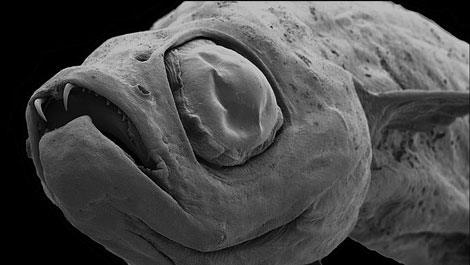
Scientists have discovered a strange fish with bone fangs. After a period of research, they still have not rated them of any family but still put them in the list of
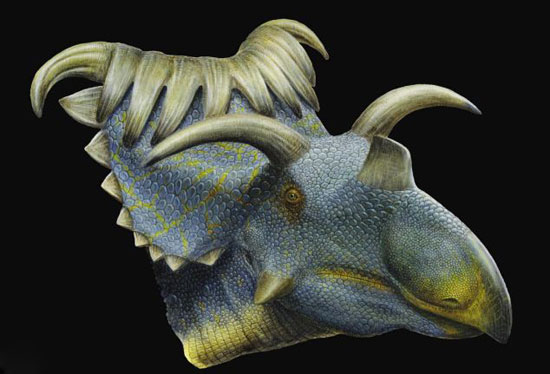
Scientists have discovered fossils of two herbivorous dinosaurs living in southern Utah (USA), about 68 to 99 million years ago.

The most recent researchers have claimed that the ancient Egyptian Queen, who has been described by eternal beauty for thousands of years, is not really the most beautif…
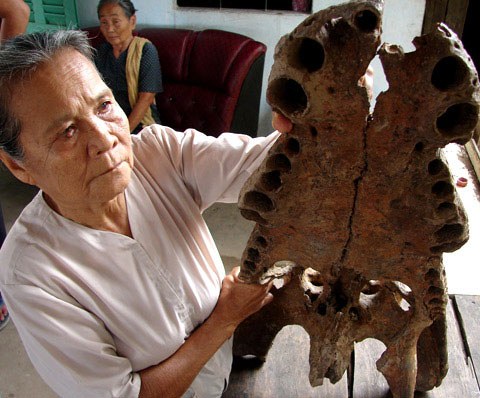
Can Tho Museum is negotiating to take the crocodile jaw bone to inspect and then display it to the people to admire.
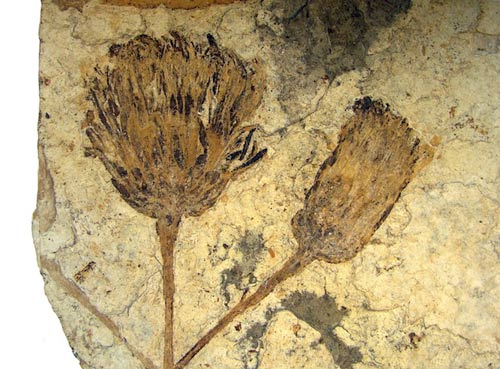
Argentine scientists have discovered a flower's fossil, 47 million years ago.

Australian scientists (CSIRO) have recently discovered the largest mouse fossil in the world ever in East Timor.

US scientists have said they found the ancient Eden garden of the ice age at the Pinnacle Point area, on the south coast of Africa.
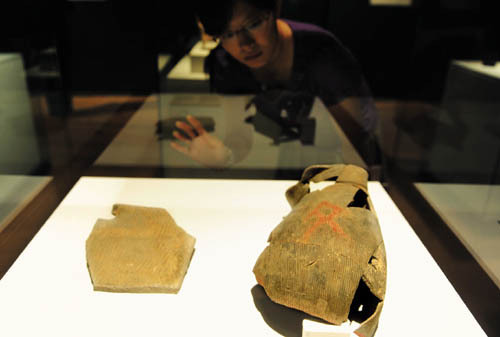
Yesterday, the Capital Museum of China showed over 400 valuable items first published.

In the morning of August 2, in Nha Trang City (Khanh Hoa), Vietnam Institute of Archeology co-ordinated with Khanh Hoa Museum to organize an international seminar on pre…
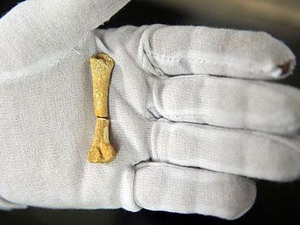
A fossil of the unearthed leg bone shows that the Philippines is a land inhabited by humans 67,000 years ago.
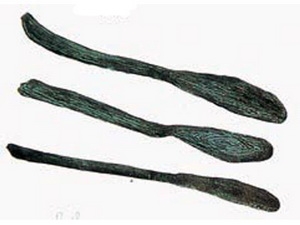
Korean archaeologists said on August 17 that they had unearthed a single wooden paddle that is believed to have dated back to about 7,000 years in an almost intact state.
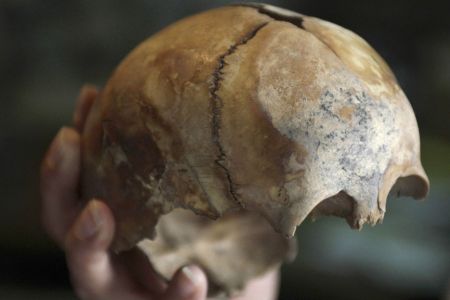
Mexican archaeologists discovered about 50 remains of more than 500 years of the Aztec empire, some of which were placed in porcelain pots.
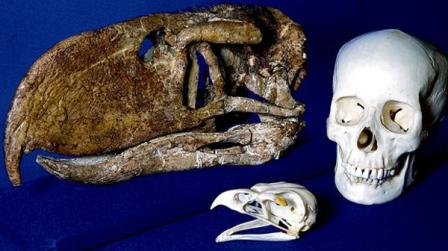
An international study showed that the Andalgalornis killed prey by using a large skull and a beak like a small ax.