
Discover science
Explain the illusion of faces appearing on objects
In life, many people often suddenly see faces on objects or positions that should not have appeared on toast.
Browse ScienceInfo articles and explainers related to Facial.
190 published items.
In life, many people often suddenly see faces on objects or positions that should not have appeared on toast.

In a new study, we often show 21 different facial expressions on the face, three times more than the long-accepted number (6 shades).

With the desire to reach beauty, people invented facial peeling methods many years ago ...

It can be said that the face is one of the most miraculous things that nature has bestowed on humanity. Except for the twins, each person has a different beauty, a diffe…

Researchers from the University of Delaware (USA) discovered that men with large but short faces are more likely to bluntly express their own racial biases.

When you want to turn someone's mood, scientists recommend that you look at their body language.

Scientists from St Andrews University, Nottingham and Durham (UK) conducted research with 45 volunteer women to see how they felt most attractive to men with facial expr…
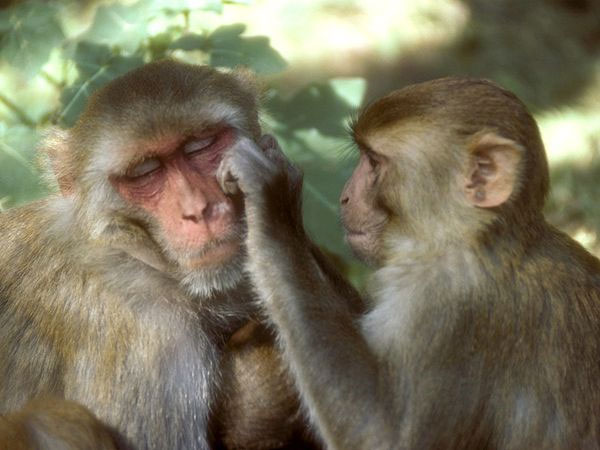
Australian scientists say human language functions can emerge very early and are marked by the phenomenon of monkey mouth copy when they communicate with each other. Thi…
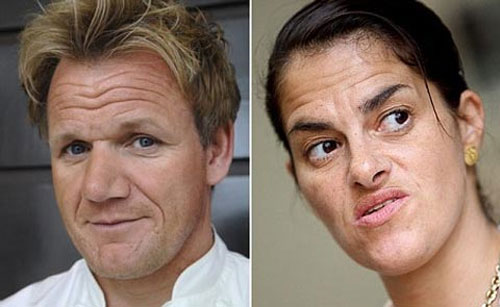
According to a new study, what a person has experienced actually marks his / her face.

East Asians are often more difficult than Europeans to distinguish a frightened face with a surprised face, or a disgusted face with an angry face.
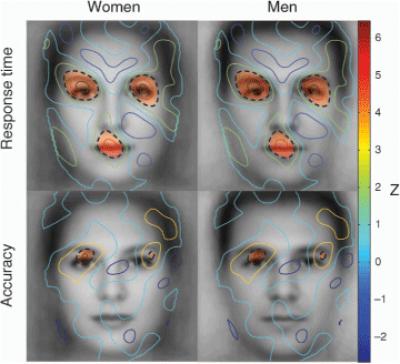
Our brains have sex recognition functions based on facial and color characteristics, according to a study published in the Journal of Vision.

A study shows that looking at the eyes is the best way for us to keep a person's face in memory.
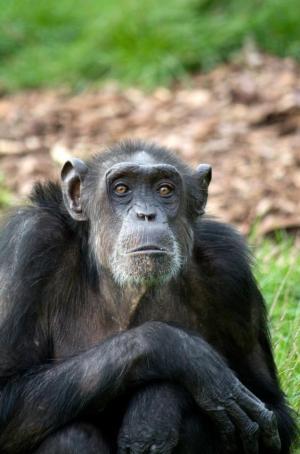
Chimp recognizes homosexuals by using the same brain area that humans use to recognize a familiar face
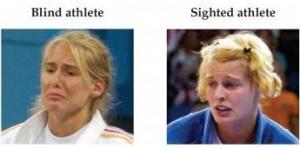
The expression of emotions depends on our genes, according to a new study. This study identifies that the expression of emotions is innate, not a product of learning.

Scientists found that the actual fear response is to respond to biological function by transforming the way our senses perceive the world.