
New technology
The first hydrogen vehicle in the world rolled in China
On October 26, China put the world's first hydrogen-powered electric vehicle into commercial exploitation.
Browse ScienceInfo articles and explainers related to Fuel.
886 published items.
On October 26, China put the world's first hydrogen-powered electric vehicle into commercial exploitation.
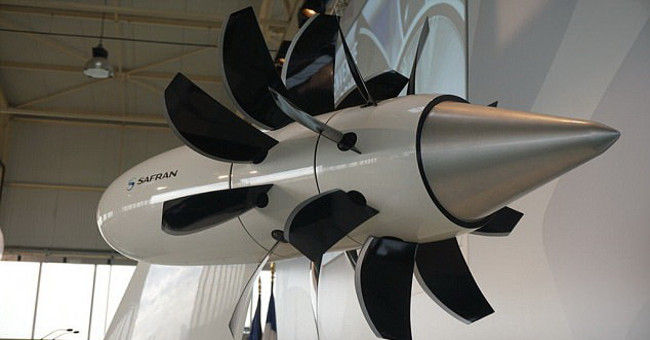
This is a breakthrough in the design of traditional turboprop engines, which are very popular in today's aviation industry.
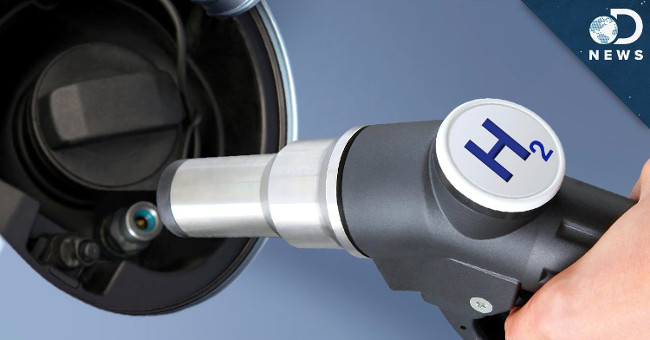
Experts can synthesize hydrogen gas from water using solar energy using special optical catalytic compounds created by titanium dioxide.

In a context where countries are moving towards banning traditional fuel-burning vehicles and switching users through electric vehicles, the world will need more chargin…

German scientists hope the high-intensity light source from the giant artificial sun could help them produce CO2-free fuel for use in aircraft and automobiles.
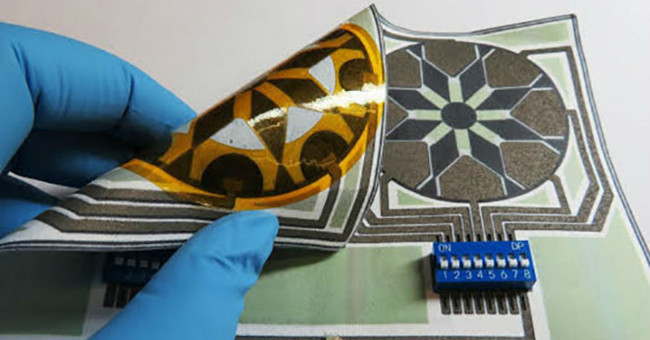
Researchers at Binghamton University, State University of New York, have taken a new step in the development of the microfluidic fuel cell (MFCs) industry.
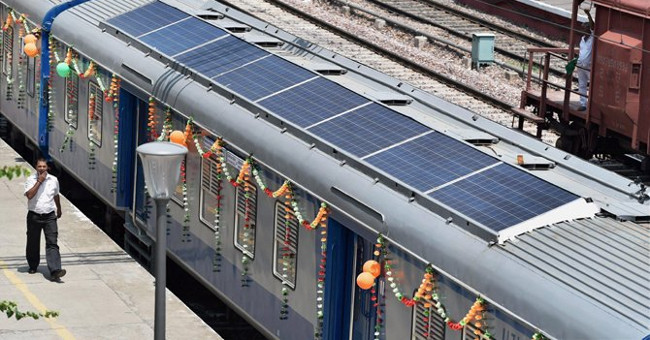
The DEMU train, with a capacity of 1,600 horsepower, consists of 6 coaches, each carries 16 solar panels on the roof to provide power to the onboard equipment replacing…
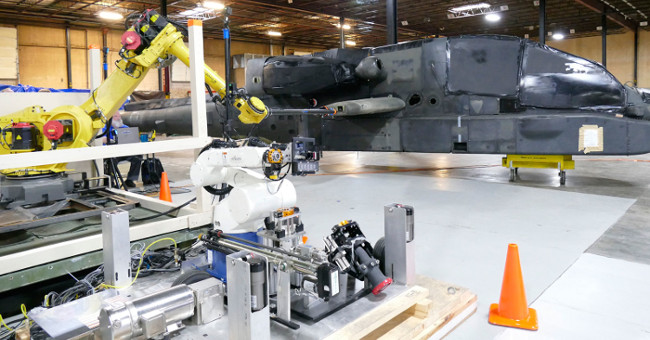
The army regularly set up refueling stations at forward bases so helicopters could return to the war as quickly as possible.

Photosynthesis is a very important autonomous process, which is responsible for providing life for not only plants, but all living things on the earth - including us.

The fuel for running the car is a by-product of the distillation and fermentation of whiskey.
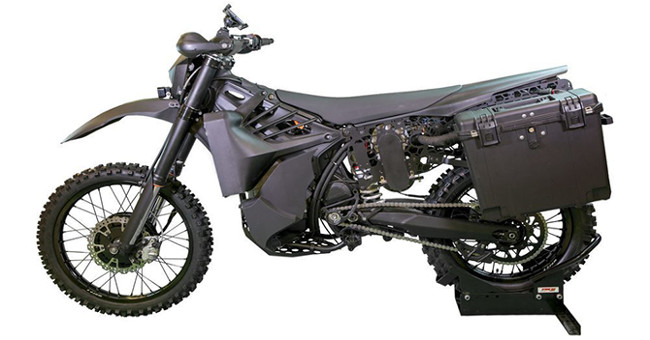
Lightweight, made for fast and rugged terrain, locomotives allow special forces to cross the forest, squeeze between narrow canyons, through alleys ...
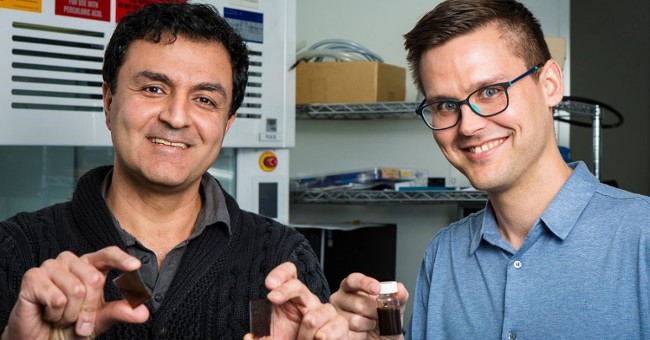
Researchers at RMIT University (Australia) have developed a solar paint that can absorb steam and dissociate to create hydrogen - the cleanest source of energy.
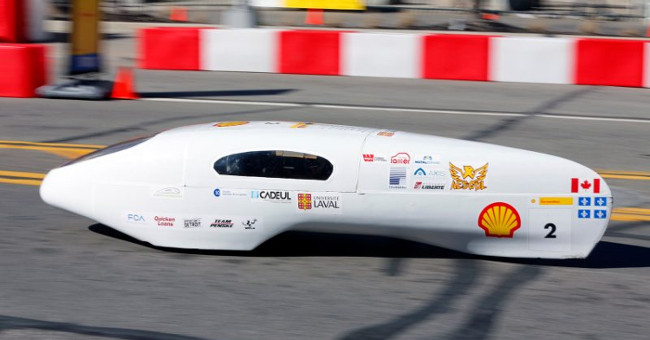
The car, built by students at Laval University, can run a distance of 4,500km with less than 4 liters of gasoline.
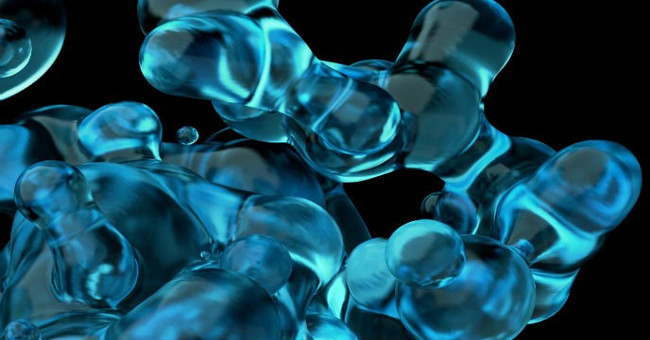
Scientists have found a new way to separate cheap and extremely efficient hydrogen and oxygen from water.
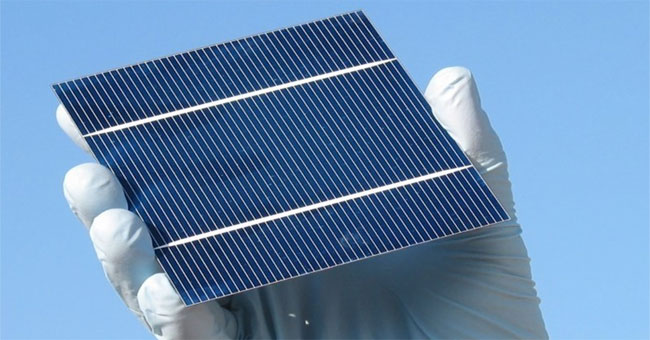
Although it has been promoted for a long time to replace fossil fuels, the contribution of solar power is still very modest.