
Medicine - Health
Genetic detection affects sensitivity to pain
Australian and US scientists have identified a gene that can affect human sensitivity to pain.
Browse ScienceInfo articles and explainers related to Gene.
1,953 published items.
Australian and US scientists have identified a gene that can affect human sensitivity to pain.

Creating mosquitoes that cannot transmit disease is the way scientists kill dangerous infectious species but leave no consequences for ecological imbalance.
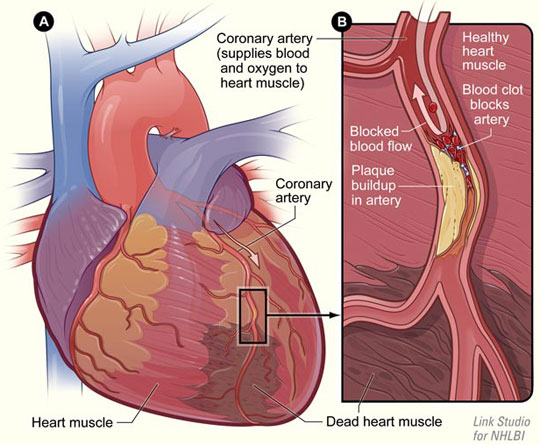
The international team of scientists has analyzed the entire genome of tens of thousands of people who have detected genes that control heart rate signals.
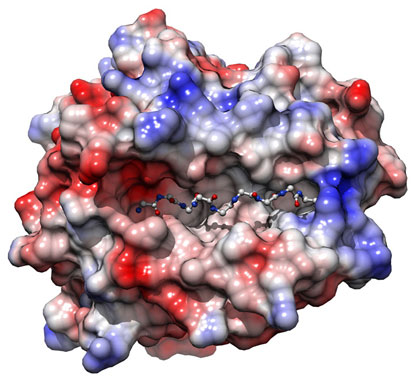
The HLA-B gene variant, which contributed to the scientists' explanation of the extraordinary ability of some people infected with HIV virus to stay healthy even without…

The effect of a gene makes many people ready to seek and accept new ideas.

Scientists extracted DNA in the blood of a Japanese male, then successfully mapped the genome map for five months.
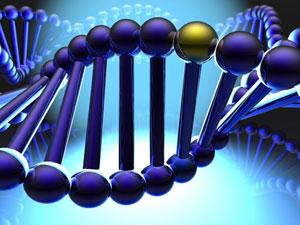
According to a study, British scientists have discovered that genetic testing can help predict early menopause.

Scientists at Yale University in the US have discovered a gene that plays an important role in the development of depression.

Scientists have discovered a gene that makes alcohol on the human brain very fast, leading to some people getting drunk quickly by drinking alcohol.

Based on the use of GWAS analysis, an international team of scientists has discovered six new genes that cause psoriasis.
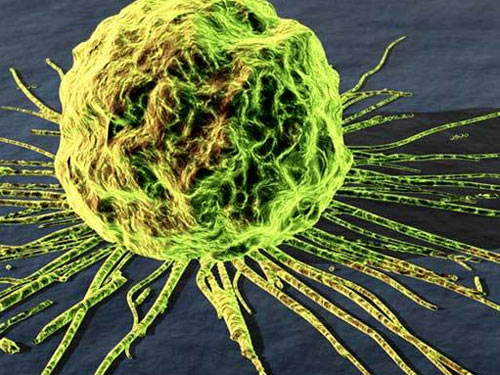
Japanese scientists have recently discovered a gene that can accelerate the process of cancer metastasis on bone, from which scientists can find ways to prevent metastas…

A recent study has shown that certain genes affect the body's fat distribution independently of the body's total fat content.
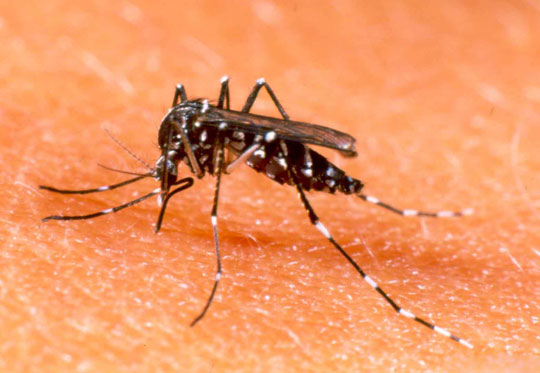
Malaysia will release genetically modified male mosquitoes into the environment to produce mosquitoes with short lifespans, in order to reduce

British scientists have discovered attention deficit and hyperactivity in children (ADHD) is a disease caused by genetic disorders.
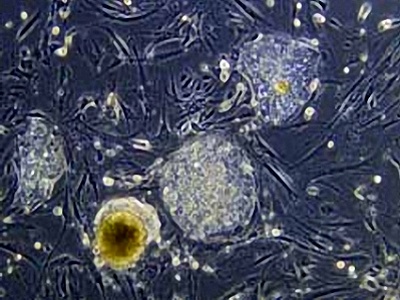
US scientists have found a new way to create human stem cells, allowing the replacement of embryonic stem cells to treat diseases.