
Oceanography
What Are Hydrothermal Vents?
Hydrothermal vents are places on the seafloor where seawater circulates through hot, chemically reactive ocean crust and returns to the ocean carrying dissolved minerals…
Browse ScienceInfo articles and explainers related to Hot.
1,088 published items.
Hydrothermal vents are places on the seafloor where seawater circulates through hot, chemically reactive ocean crust and returns to the ocean carrying dissolved minerals…
A fusion reactor aims to create a hot plasma in which light nuclei fuse, confine or compress that plasma long enough to release useful energy, then capture the energy in…
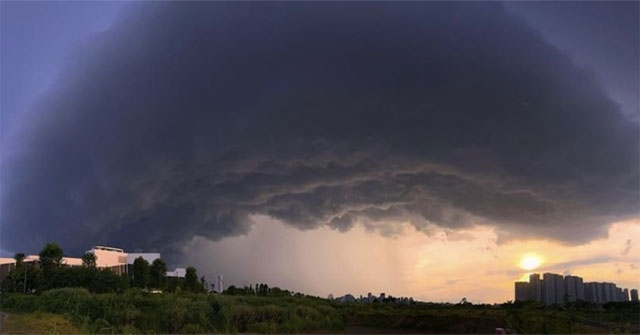
The heatwave in the North will end from July 2nd due to a low-pressure trough bringing showers and thunderstorms; mountainous areas should be wary of flash floods and la…
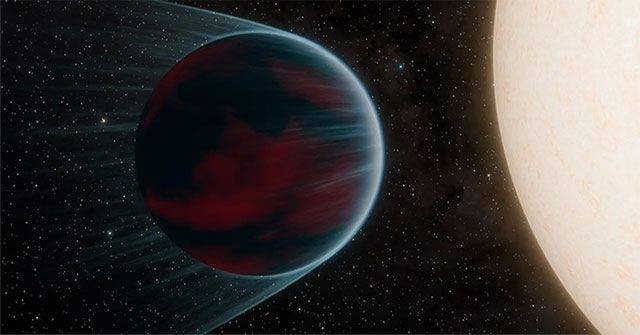
TOI-3261b is located in the constellation Hydrus and belongs to a class of planets that were thought impossible to form.
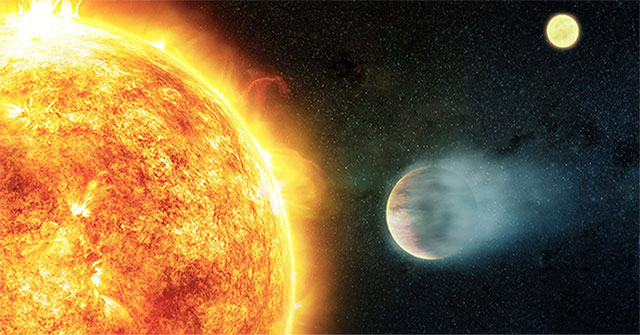
Data from NASA and ESA reveal a giant, extreme planet with the power to cause its neighboring star to rejuvenate and distort astronomical measurements.

Cicadas, beetles with distinctive chirping sounds, are often associated with hot summer days.
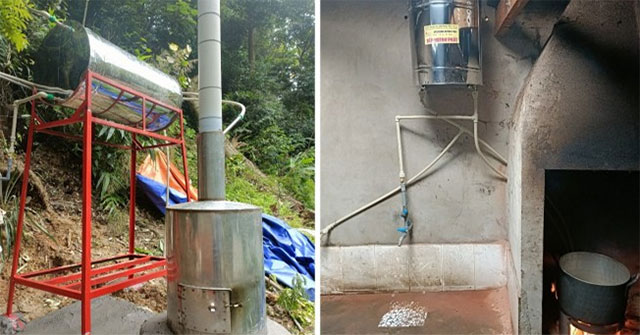
Selling his Dream motorbike for only 2.5 million VND as start-up capital, Nguyen Van Huynh researched and created a multi-purpose stove using firewood and straw to help…
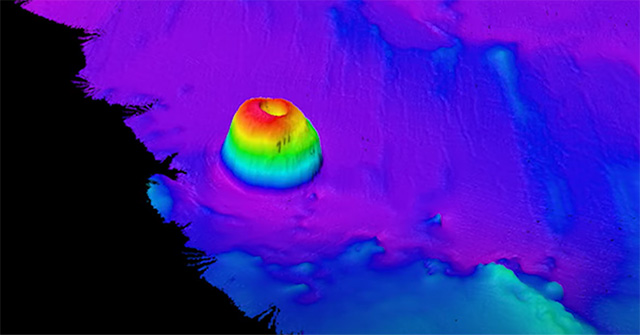
The Saildrone Surveyor ocean mapping mission has discovered a giant, hot, strange object unlike anything seen on Earth before.

What is the cremation technician's first principle when handling a body?
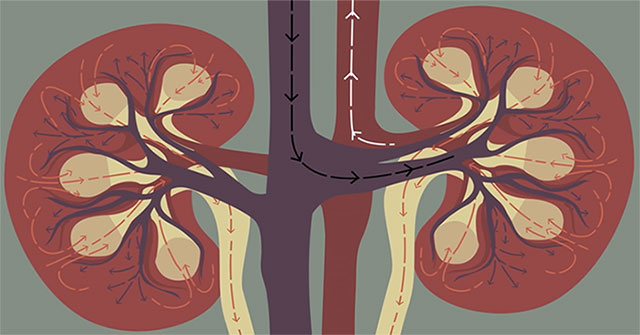
On a hot day you feel thirsty and drink glass after glass of water… Then comes the urge to pee which originates from two bean-shaped organs that act as sensors to purify…

Below are suggestions for foods such as fruits or drinks that can be eaten after eating hot pot to help support better digestion, according to Sohu.
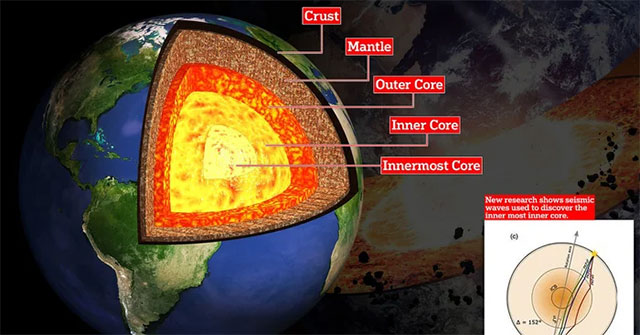
The temperature of the Earth's core is about 6,000 degrees Celsius, higher than the surface temperature of the Sun. Furthermore, the Earth's core is larger than the core…
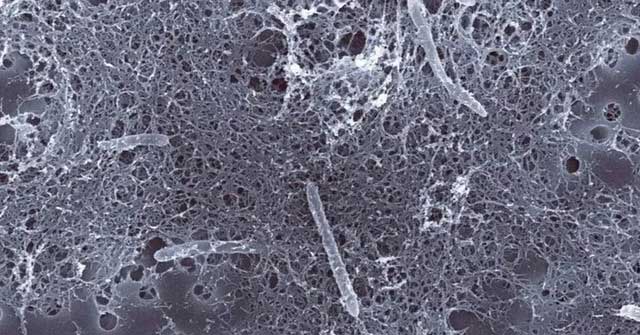
The cold and dry polar regions, the hot and water-poor desert regions, are considered inhospitable to most life on Earth.

A new study suggests that within a month of the Big Bang, a second explosion may have given the universe invisible dark matter.
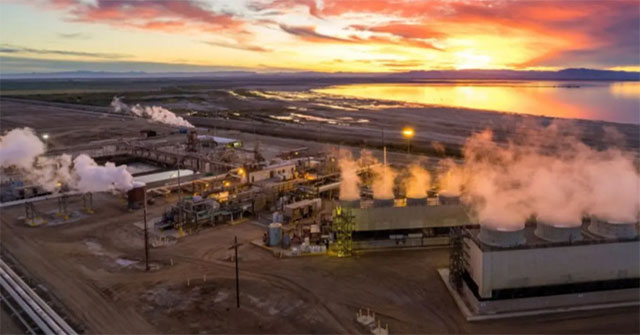
Scientists study super-hot rocks at depths of nearly 10km as a potential renewable energy source to replace fossil fuels.