Oceanography
Strange phenomena on the ocean
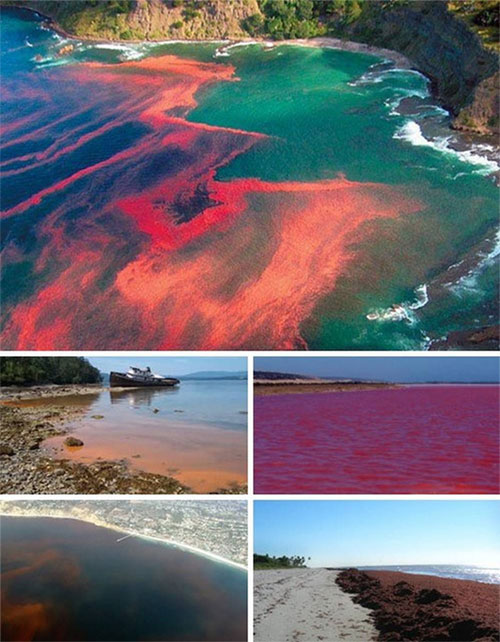
Ice flowers on the sea, red tide, colorful striped ice or ice whirlpools are strange natural phenomena that appear on the oceans.
Browse ScienceInfo articles and explainers related to Ice.
1,605 published items.
Ice flowers on the sea, red tide, colorful striped ice or ice whirlpools are strange natural phenomena that appear on the oceans.
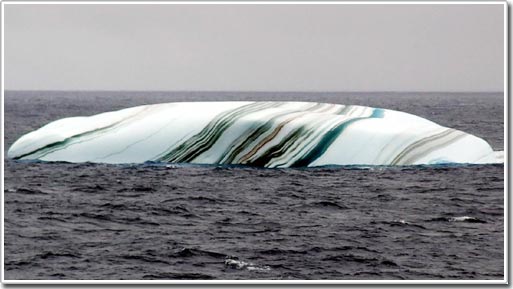
A large block of ice looks like a giant mint candy, with beautiful blue, green and brown stripes. The other one looks like it's pierced by a spear.
Experts are extremely surprised to find many small organisms that exist under thick ice in Antarctica.
The fish that inhabit the cold waters of Antarctica are born with anticoagulant proteins in capillaries, which help the blood to flow normally without freezing.
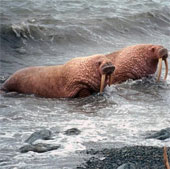
According to NOAA experts, it is the rapid melting of snow in the Arctic that causes 35,000 walrus individuals to migrate.

An anemone species was found under the Antarctic thick ice, and became the first marine creature to be discovered to live on ice.

According to the new report of the International Program on Ocean Status (IPSO), the health of the world's oceans is severely declining at a faster rate than expected.
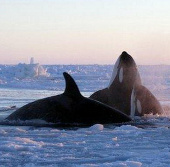
Canadian rescue workers are racing against time to rescue 11 killer whales trapped in ice in Hudson Bay.
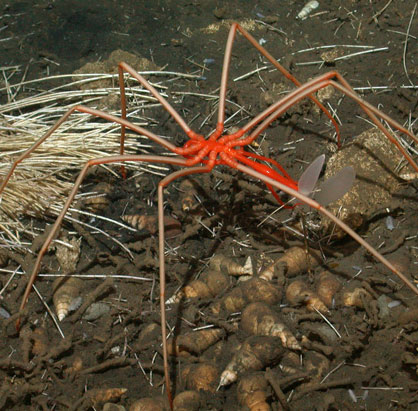
Marine biology researcher Huw Griffiths at the British Antarctic Survey (BAS) has released a list of the 5 most exotic Antarctic animals. They have unique ways of living…
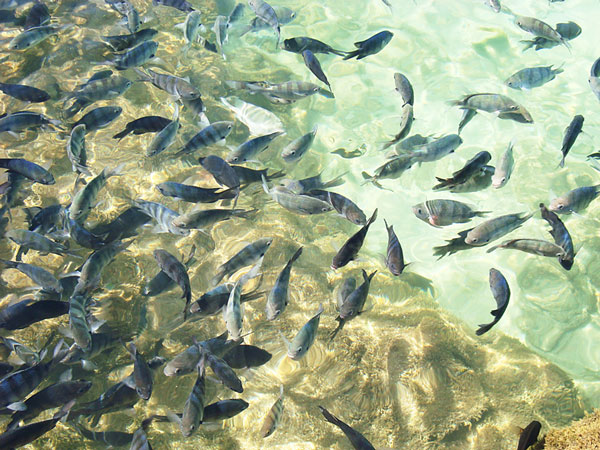
The Union of Environmental Organizations has issued a statement calling for protection of the marine environment in the Ross Sea in Antarctica to prevent the development…
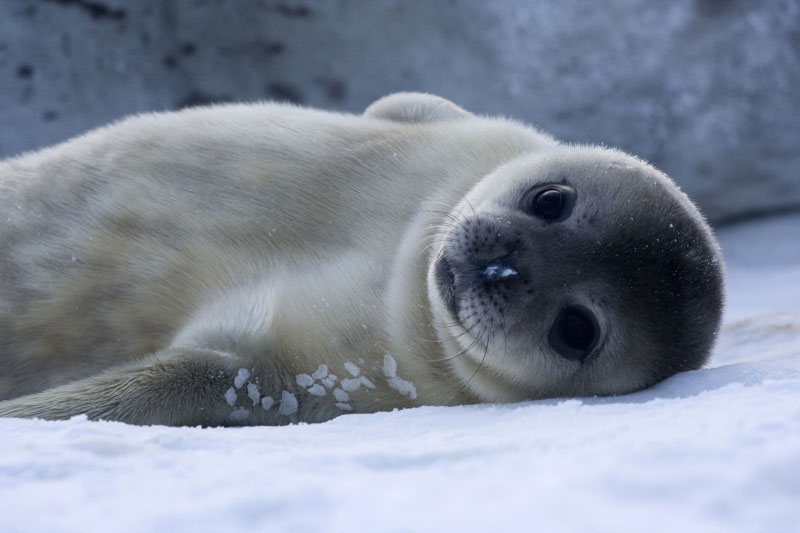
Researchers at Duke University in the United States have found that ice in the breeding area of this seal is decreasing by about 6% per decade over the past 30 years.

Scientists have discovered 'hot' fish living in Antarctica for millions of years. It is a fish that has the ability to naturally produce antifreeze in the blood naturall…
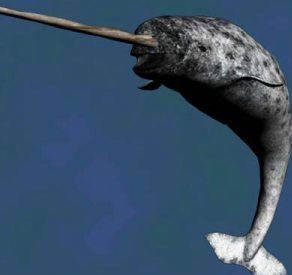
Information on the site mongabay.com said a group of scientists from the International Fund for Nature Protection in Canada (WWF-Canada) has attached a satellite signal…
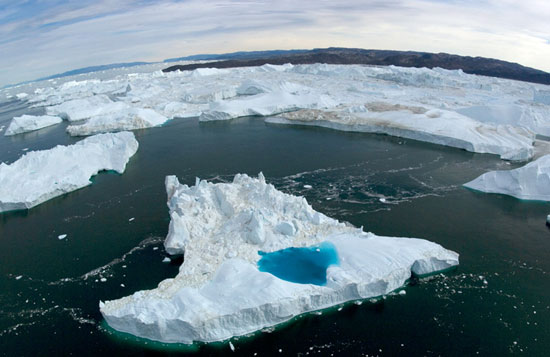
Warming air due to climate change is not the only factor that increases ice melting speed at Earth's poles.
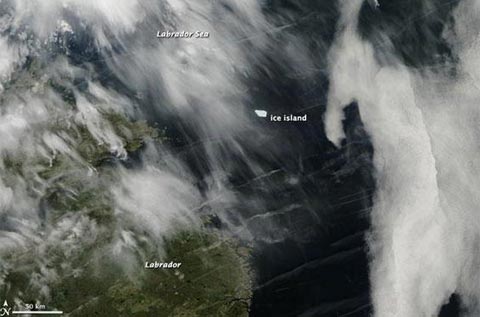
Aqua satellite of NASA's Aerospace Agency (NASA) captured the image of the largest Arctic ice island floating in the Canadian Labrador Sea.