Biology
Eliminate the reproductive ability of pests and diseases
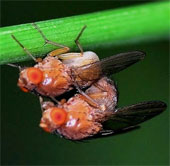
Entomologists have identified a neuropeptide (brain signaling protein) named Natalisin, which plays a role in controlling insect reproductive activities.
Browse ScienceInfo articles and explainers related to Insect.
937 published items.
Entomologists have identified a neuropeptide (brain signaling protein) named Natalisin, which plays a role in controlling insect reproductive activities.
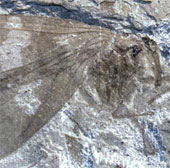
The family of extinct insects will help scientists better understand how some animal species respond to climate change and the evolution of society.
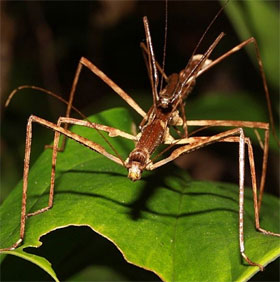
The world of insects is extremely rich and unique. Besides the beetles with unique and lovely beauty, there are also many species with ugly, big to scary shapes.

Learn some species of flying insects with ugly and behavioral forms to eat and stick to other insects.

More commonly known as Titan, this bug can grow to almost 18cm and its teeth are so strong that it can cut a pencil in half.
A researcher in Arizona (USA) has published a calculation of the pain of being bitten by insects, helping you to identify and stay away from potential insects.
The Government of Canada will set aside an investment to help SemiosBIO Biotechnology Corporation develop and commercialize new pest control products that rely on the ch…

Associate Professor Truong Xuan Lam said that blood-sucking bugs are a blood-sucking insect so its injection makes people uncomfortable, wide allergy, even fever, especi…


Scientists have discovered a new insect, which looks unusual in the Philippines. They nicknamed them
The Week has published shocking information that cockroaches will last longer than humans. So where is the cause?
A new study has shown that the more interrelated the Plodia interpunctella immune system is, the more damaged it is.
Insect researchers say a new species of butterfly has been identified in Texas, possibly the last special butterfly discovered in the United States.
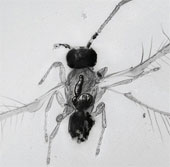
Recently, scientists discovered an amazingly small insect, whose scientific name is Tinkerbella nana in tropical forests in Costa Rica.
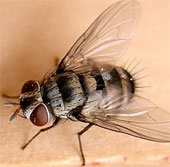
This finding reveals many interesting things about the evolution of the brain, contributing to explaining the mechanism of mental disorders.