Animal world
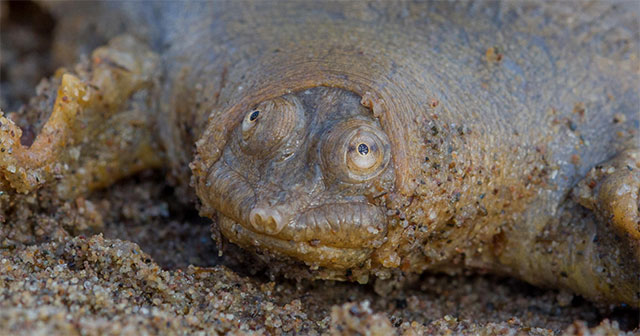
Frog-faced turtles are motionless 95% of the time.
The Asian giant leatherback turtle lives motionless in the mud at the river bottom, only suddenly attacking prey that swims by.
Browse ScienceInfo articles and explainers related to Leatherback.
14 published items.
The Asian giant leatherback turtle lives motionless in the mud at the river bottom, only suddenly attacking prey that swims by.

Researchers have understood why sea turtles often feed and breed in shallow water or on land, but dive very deep in the ocean. People are watching and studying this rept…
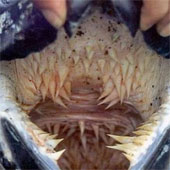
Inverted sharp spines in the throat in both the upper jaw and lower jaw are characteristics that help the leather turtle hold food in its mouth.
Japanese researchers say they have found the head of a fossilized sea turtle about 70 million years old.
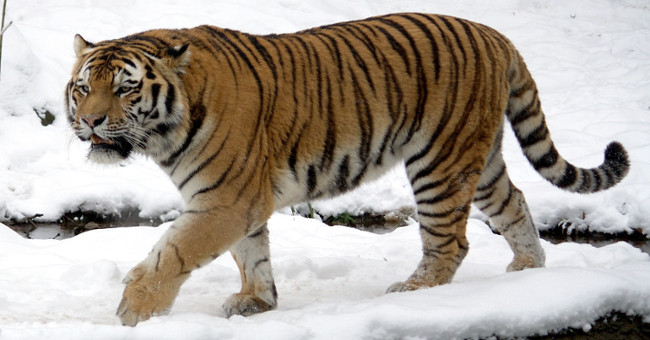
Siberian tigers, Javanese rhinos or saola are rare animals classified as the most endangered in the world due to the effects of climate change and widespread hunting.
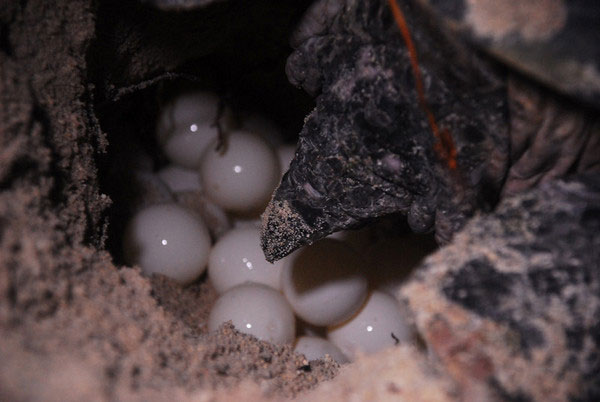
Leather or leatherback turtles - the largest sea turtle is at risk of extinction due to climate change. The turtle eggs are buried on hotter and drier beaches than befor…
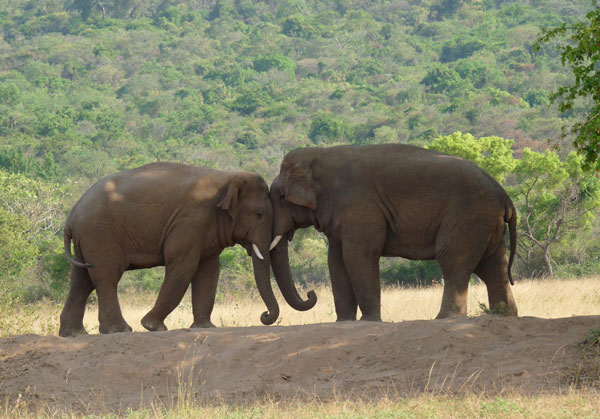
The International Animal Protection Fund (WWF) has just released a list of 10 endangered wildlife species this year.

About 7 am on May 1, a fisherman in Quynh Luu and Nghe An suddenly discovered a turtle with a strange appearance, was washed into a creek. Immediately the strange turtle…

After reviewing, studying Nghe An Aquatic Resources Protection Department has identified a strange turtle discovered by a fisherman in the area of Quynh Luu and Nghe A…
Conservation experts say they have found a leatherback turtle, the world's largest sea turtle, and is on the list of threatened species.
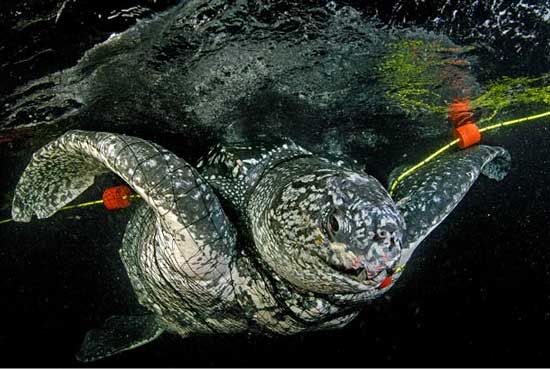
Leatherback sea turtle (Dermochelys coriacea) is recognized as the largest sea turtle in the world and the fourth largest reptile after 3 giant crocodiles.

Leatherback turtles travel more than 20,000 km to feed, and the Arctic terns often cross the road more than 80,000 km to change their accommodation.
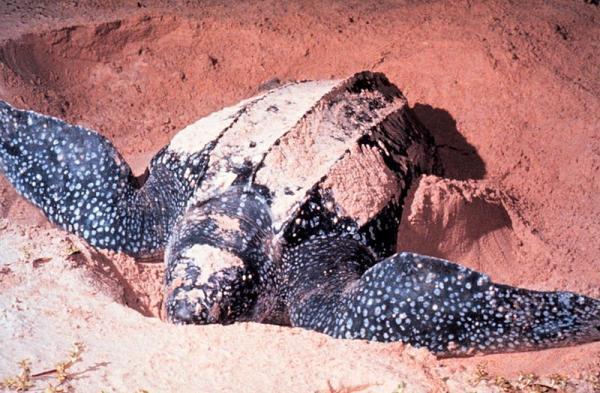
A group of scientists recently found a hidden population of leatherback turtles in Gabon, West Africa and the largest turtle population in the world.

Scientists have recorded a migrant leatherback turtle traveling 20,588 kilometers from Indonesia to Oregon, USA, as one of the longest migrations of any vertebrate.