Videos
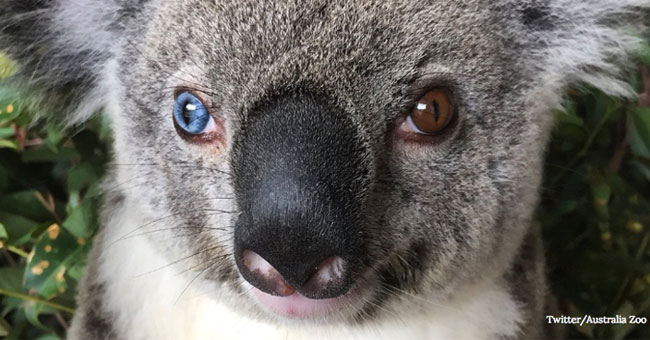
Video: Koala has two rare eye colors
With light blue and brown eyes, the Australian koala surprised veterinarians because the rare genetic syndrome occurs only in one of thousands of individuals.
Browse ScienceInfo articles and explainers related to Light.
3,286 published items.
With light blue and brown eyes, the Australian koala surprised veterinarians because the rare genetic syndrome occurs only in one of thousands of individuals.

Stunning light show by unmanned aircraft based on traditional music taking place at the foot of Mount Fuji, Japan.
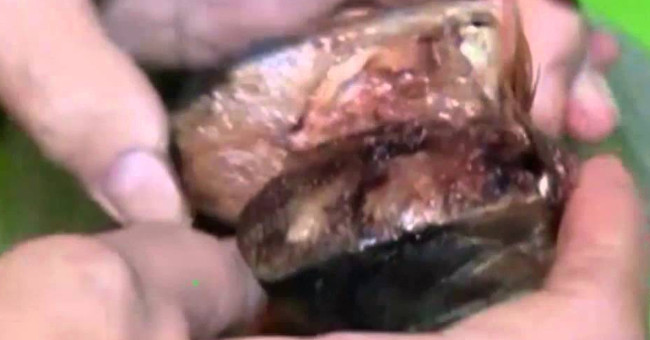
A Kazakh woman suddenly discovers blue light emanating from the belly of the herring while preparing dinner.

The raincoat is made of polyester and stretchy fabric, with two layers of external waterproofing and a unique design that keeps cyclists dry even when snow falls or show…

Along with the development of technology, robots are more and more modern and take on more jobs. However, a robot capable of drinking alcohol has never been a familiar c…
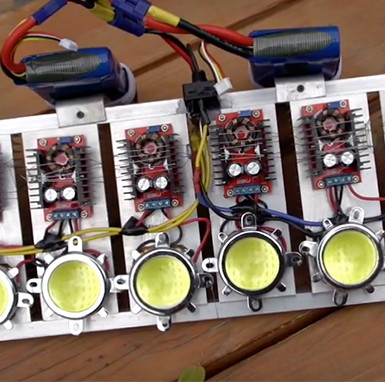
Having a guy on YouTube with the nickname rctestflight has made a portable LED light up to 90,000 lumens, enough to light a large area for photography purposes.
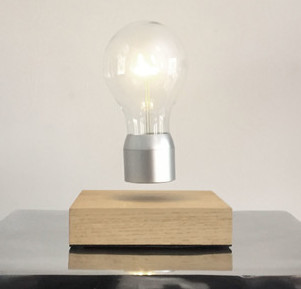
The incandescent bulbs have existed for over 100 years, they have contributed a great part to the development of the human civilization.

With simple and intuitive experiments and illustrations, 18-year-old Ryan Chester created a video clip that makes it easy to understand what Einstein's special theory of…
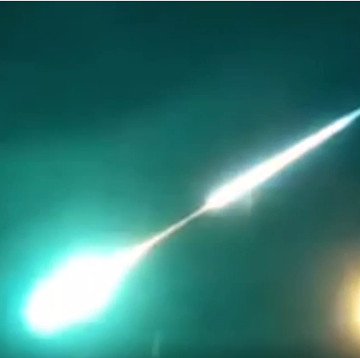
The giant green fireball divides three lights before igniting the sky of Chita, Russia.
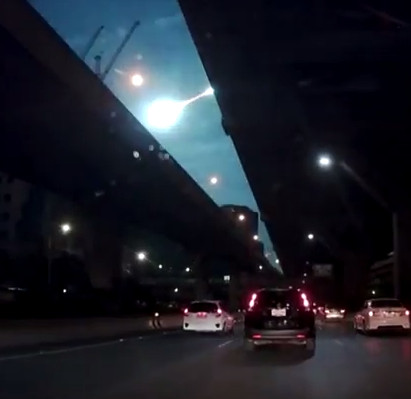
According to information published in RT, on November 2, residents in Bangkok, Chon Buri, Ratchaburi and Kanchanaburi (Thailand) saw a large light trail in the sky.
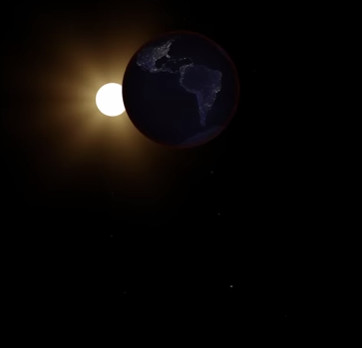
Through the short film, the US Aerospace Agency (NASA) will help us observe the total lunar eclipse from the surface of the Moon.
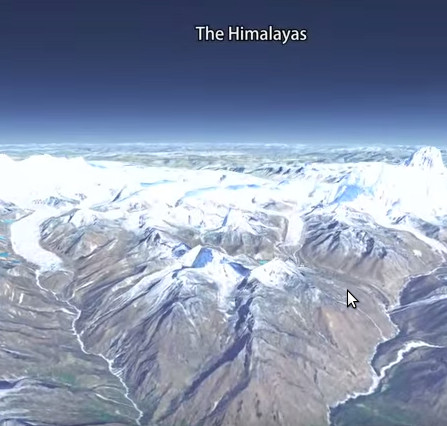
The video based on astronomical observations will give us a better insight into the scope of the universe from the Big Bang era.
The ultra-accurate PRENAV routing system can help unmanned aircraft fly impressively in the air.
Astronauts on the International Space Station (ISS) have just released stunning northern images of the aurora they captured from space.
The incident was recorded around 22:00 pm on February 12. Light flashed for a very short time, but was observed in many places.