
New technology
The most accurate thermometer in the world
Physicists at the University of Adelaide have announced that they have made the most accurate thermometer ever.
Browse ScienceInfo articles and explainers related to Light.
3,286 published items.
Physicists at the University of Adelaide have announced that they have made the most accurate thermometer ever.
Scientists have for the first time found a groundbreaking technique that turns light into matter, a goal that has been thought impossible since the idea came out 80 year…
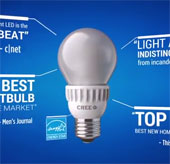
Despite being very popular nowadays, fluorescent lamps are still unpopular with cold, bluish, often blinking and emit sound over time.
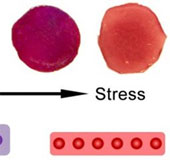
Scientists at the University of California, Riverside, have proposed new technology and fabricated color sensors based on stress.

Solar technology innovations have helped create an aircraft that can harness enough light to fly across the continent like Solar Impulse.
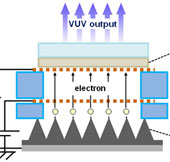
Japanese scientists have created ultraviolet light vacuum tubes in the shortwave range of 140 to 220 nanomics.
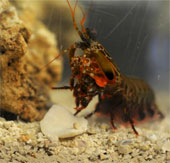
Recently, a team of University of California researchers has successfully developed a structured material inspired by the head of shrimp.
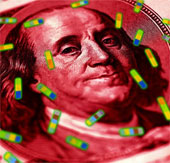
MIT scientists have developed a micro-chip with color bands that can be used to test the authenticity of currencies, pharmaceuticals, consumer products, and virtually ev…
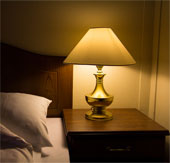
A new type of LED bulb can help reduce discomfort during night and day transition by adjusting melatonin levels in your body.
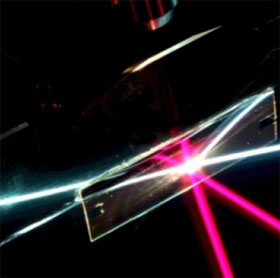
New way to filter light: For the first time, it can provide a selective way of direct light waves.
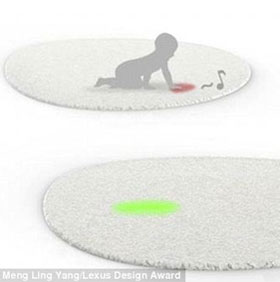
A Taiwanese designer has created a smart carpet that not only plays the baby but also helps develop both the body and the brain.
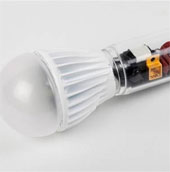
New advances in transistor technology can help create LEDs that provide a large light source at an affordable price.
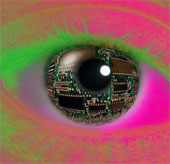
Wearing a pair of lightweight infrared contact lenses to look in the night - hearing this is probably only in action spy movies.
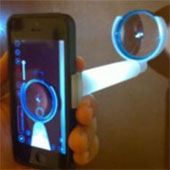
It is much simpler when anyone after being instructed can take a picture of his or her own eye and send it to the therapists who will diagnose and save them in electroni…
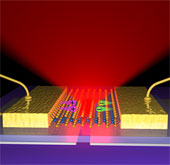
Scientists at the University of Washington have successfully created the world's thinnest LED ball that can use light energy.