Space science
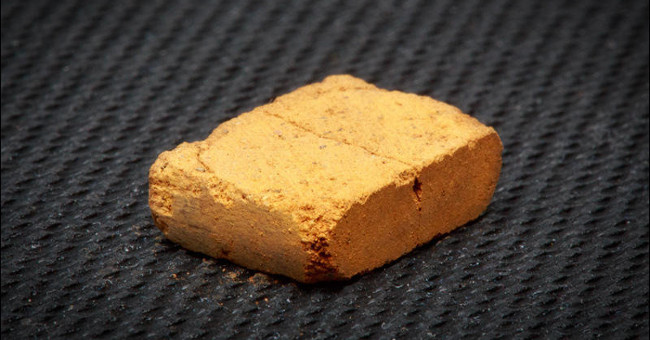
Brick from soil simulating Martian soil: stronger than concrete
In the future, can we use this brick to build a base on the red planet?
Browse ScienceInfo articles and explainers related to Martian.
183 published items.
In the future, can we use this brick to build a base on the red planet?
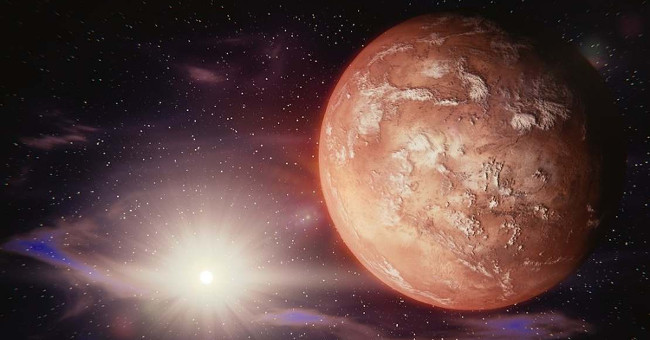
Russian scientists believe that the Martian polar ice could be heated to produce greenhouse gases, increase surface temperatures and living conditions on Mars.
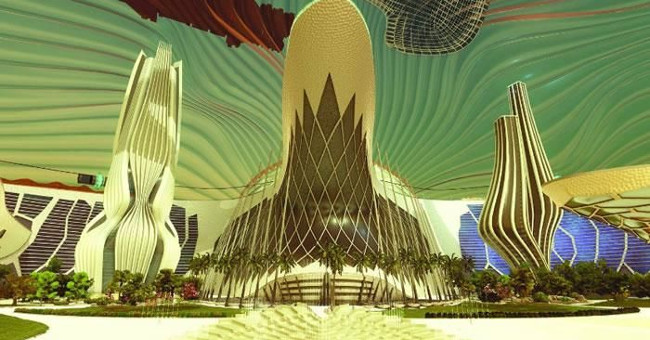
The United Arab Emirates agreed to build the first city on Mars in 2117.
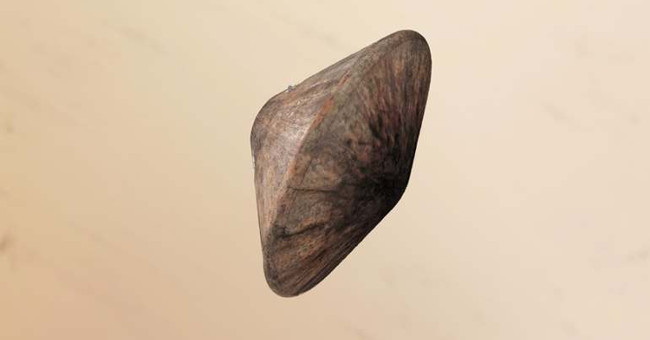
The European Space Agency (ESA) has released new information about the collision of the Martian ship ExoMars Schiaparelli.
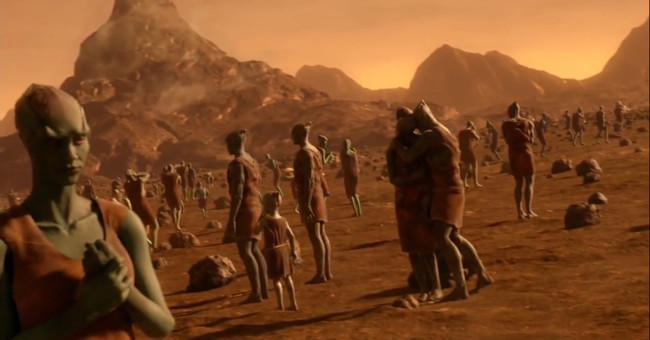
In many fantasy films, people born on Mars will have weaker bones than normal, so they won't tolerate gravity on Earth.

NASA has made many bold plans for the future of the Mars program, adding self-propelled ships to the Martian surface by 2020 and sending manned spaceships in 2030.
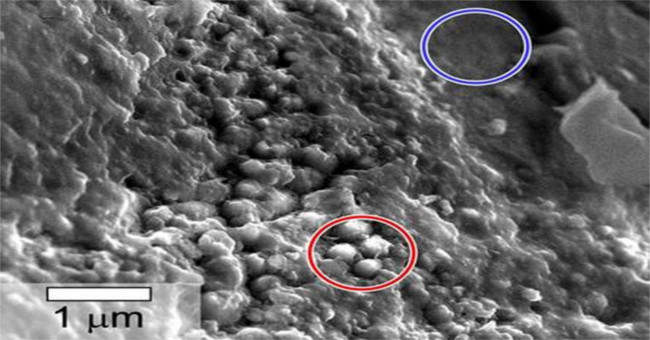
One of the ultimate goals of the Mars exploration is to bring samples from the Martian surface to Earth, which is one of the evidences of the existence of life on the Re…
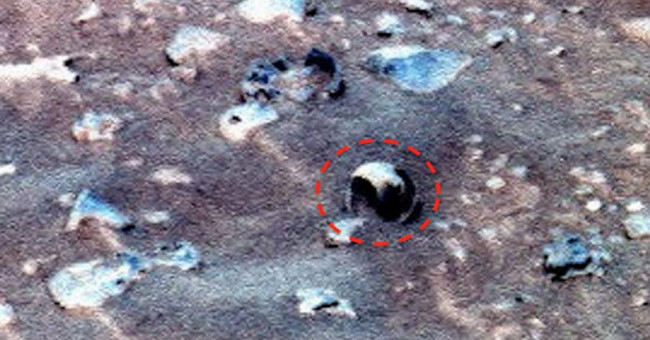
The scalloped image of the Martian surface, captured by NASA's Curiosity, proved the red planet's ocean once lived.
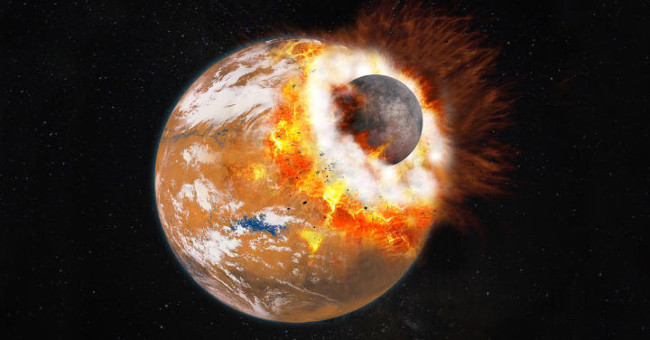
Mars' moons can be formed after Mars collides with a primitive planet about the size of a third.
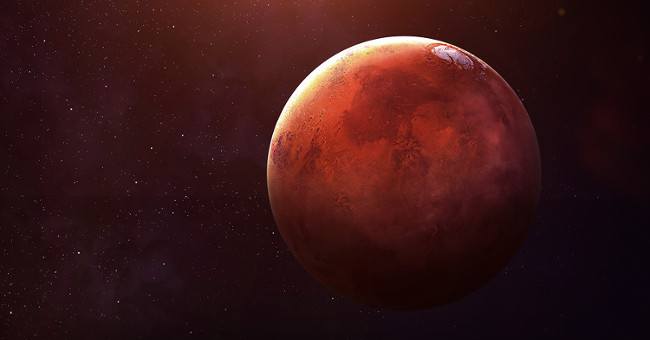
For the first time in 40 years, researchers from the US Aeronautics and Space Agency found oxygen atoms in the middle layer of the red planet.
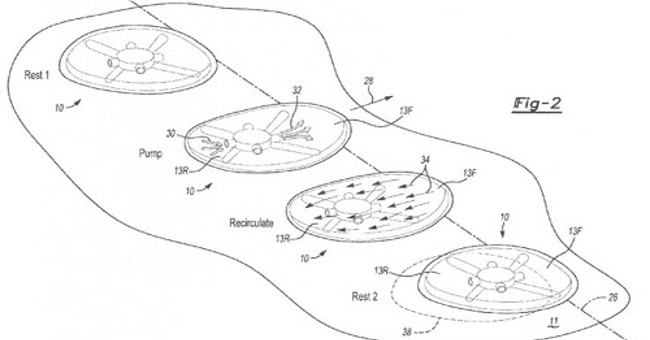
The US Aeronautics and Space Agency (NASA) will release a self-propelled Martian exploratory device filled with liquid and can move on the surface of the Red planet like…

The peculiar eyes, giant jellyfish, Martian human faces, predatory eels, and dark shadows are special images in the universe recorded by astronomers for many years.
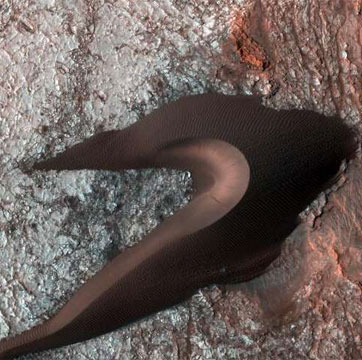
The camera on the Mars Reconnaissance Orbiter of the US Aeronautics Agency (NASA) took a picture of the Martian sand dune shaped like a large leech.
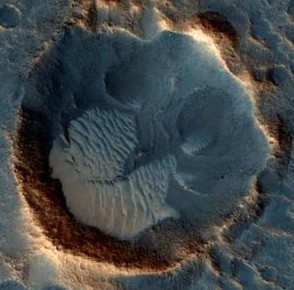
NASA spacecraft astronomical camera reveals details of astronaut landing areas in the film

How did mankind's journey of discovery last more than half a century? How remarkable is the progress?