Medicine - Health
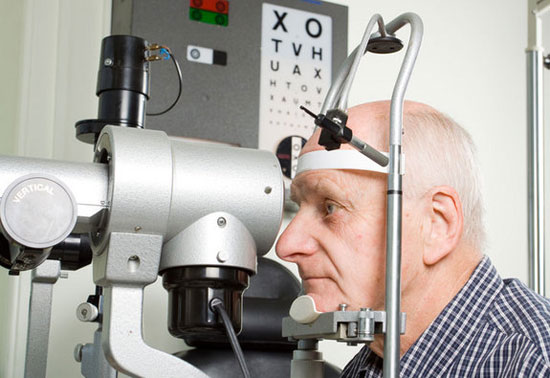
Use of cocaine is prone to blindness
People who have been taking cocaine are at a higher risk of glaucoma - one of the most common causes of blindness, the latest study by US scientists said.
Browse ScienceInfo articles and explainers related to Medical.
925 published items.
People who have been taking cocaine are at a higher risk of glaucoma - one of the most common causes of blindness, the latest study by US scientists said.

Australian Medical Journal recently published a new study that there is a lot of evidence that the exploitation and burning of coal is very harmful to health and can ser…
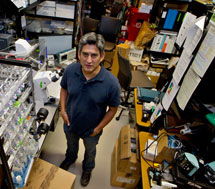
In the small lab space of Stanford University, PhD, medical doctor Oscar Abilez trained a microscope to collect cells on a petri dish. A video player plays back what the…

The World Health Organization estimates that up to three quarters of medical equipment donated from the West are completely useless in the world's poorest countries.
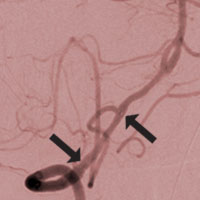
A stent, a wire mesh tube, is placed in a narrowed or blocked artery, designed to reduce the risk of stroke. However, it is the culprit that increases the risk of second…

From skin cells, a group of scientists at McMaster University, Canada, successfully produced human blood.
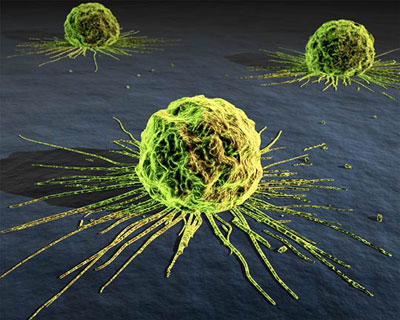
A new mathematical model, which helps medical professionals understand and predict the development of a tumor, from the beginning of formation (stage 1) to metastasis.

Due to some errors, doctors used organs from an HIV-infected patient to transplant for 5 people.

The US investigating committee on human medical experiment in 1946-1948 in Guatemala has announced that there are 83 Guatemala people conducted unethical medical experim…

Recently, in the Finnish mass media, Spektikor has developed an unusual, unusual heart rate indicator.

Sushi is the pride and passion of Japanese cuisine. But under the eyes of medical practitioners, it can bring about health risks.
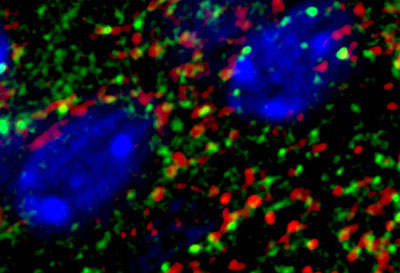
Researchers at the University of California, Santa Barbara, USA and the Sanford-Burnham Medical Research Institute, have discovered a link between a high-fat diet ...
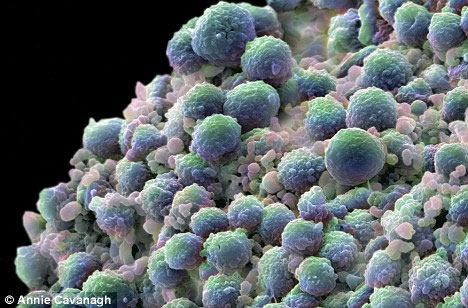
Scientists from the British Medical Research Council have discovered that a gene can control the development and spread of prostate cancer cells.
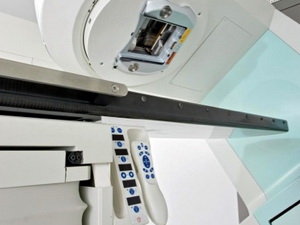
Siemens Medical introduces a new method to shorten 80% of cancer treatment time, by increasing the dose rate to 2,000 MU / minute.

Alfie Clamp, a 2-year-old boy who suffered a very severe form of disability that shocked even the top medical scientists in England.