Oceanography
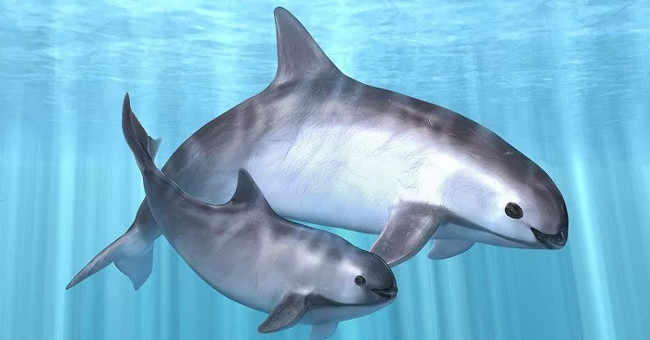
This strange creature 'who may not have heard of this name' will become extinct in 2018
Extremely rare, so rare that no one has ever seen them, yet can become extinct next year. Which animal is it?
Browse ScienceInfo articles and explainers related to Mouse.
444 published items.
Extremely rare, so rare that no one has ever seen them, yet can become extinct next year. Which animal is it?
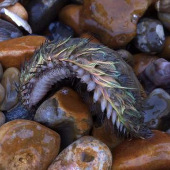
A sea mouse (also called a deep sea) has been hit by a storm on the Kent coast (England). Usually, this species is found at depths of more than 2,000m.
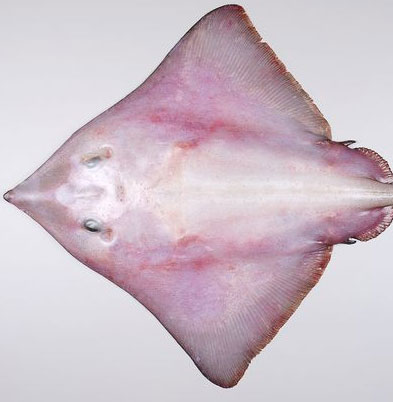
Scientists at the New Zealand National Institute of Atmospheric Research and Research (NIWA) have been studying and catching many species of fish they have discovered be…

Hydrolagus colliei fish have a muzzle and mouth that looks like a rat, so it is called a rat or a rat-rat fish. However, its size is not as small as a mouse, but it is n…
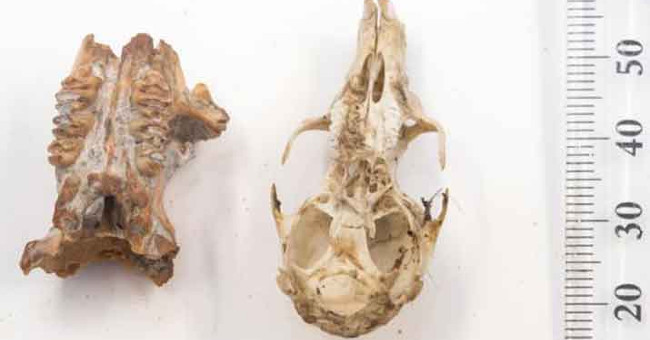
Giant mouse fossils discovered in Indonesia show that they can weigh 5 kg and are as big as a small Dachshund dog.

A mouse stuck and died in a 150-year-old trap displayed at the museum in England.

The mouse is 10 times the size of modern mice living in East Timor about 1,000 years ago, and is the largest rat ever discovered by archaeologists.

Australian scientists (CSIRO) have recently discovered the largest mouse fossil in the world ever in East Timor.
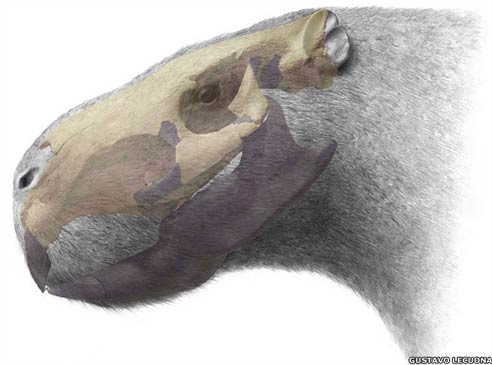
An amateur paleontologist has just found in Uruguay the skull of a giant-sized prehistoric rat that lived about 4 million years ago.

Thousands of years before Mickey's cartoon character came into being, a French artist created a bronze shirt with a picture that looks exactly like this famous mouse.
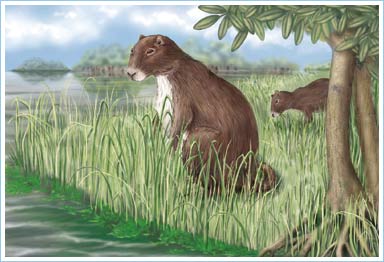
8 million years ago, in the South American region, there was a hamster breed with a large body like buffaloes and cows and was named Phoberomys pattersoni by scientists.…
The nephew (in the local language) has trapped the expedition of retired Florida State University expert, David Redfield, in May. The picture shows that this gentle crea…
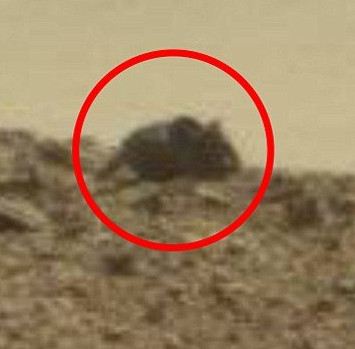

The article was done by collaborator Scott C. Waring, who worked for the US Air Force at SAC base.
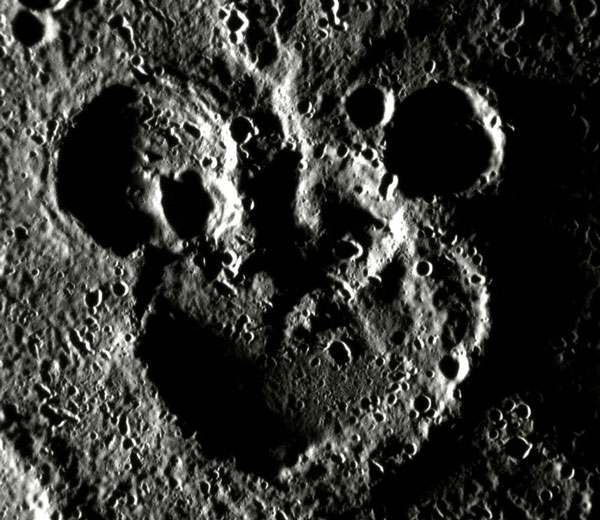
The Mercury probe of the US Aerospace Agency (NASA) has announced the discovery of a