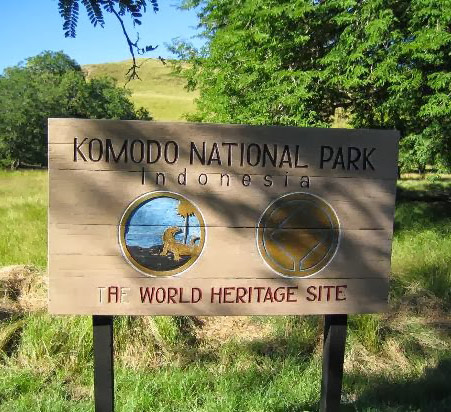
World Heritage
Komodo National Park - Indonesia
The United Nations Scientific, Educational and Cultural Organization has recognized Indonesia's Komodo National Park as the world's natural heritage in 1991.
Browse ScienceInfo articles and explainers related to Natural.
2,144 published items.
The United Nations Scientific, Educational and Cultural Organization has recognized Indonesia's Komodo National Park as the world's natural heritage in 1991.
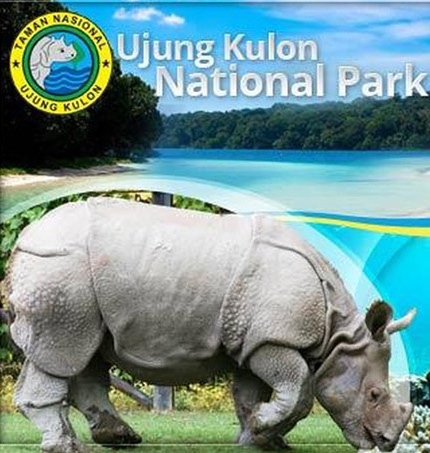
The United Nations Science, Education and Cultural Organization has recognized Indonesia's Ujung Kulun National Park as the world's natural heritage in 1991.
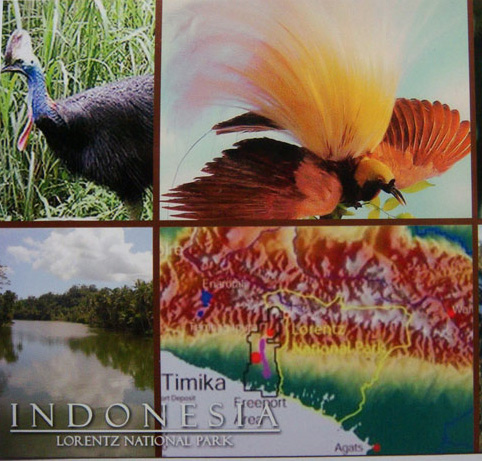
The United Nations Scientific, Educational and Cultural Organization recognized the Lorentz National Park of Indonesia as a World Natural Heritage in 1999.
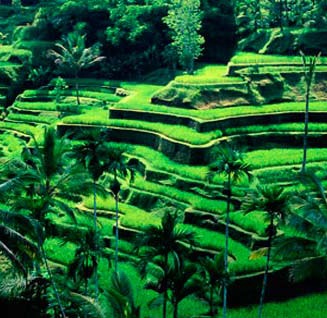
The United Nations Science, Education and Cultural Organization has recognized Indonesia's Subak Cultivation System as a World Natural Heritage in 2012.
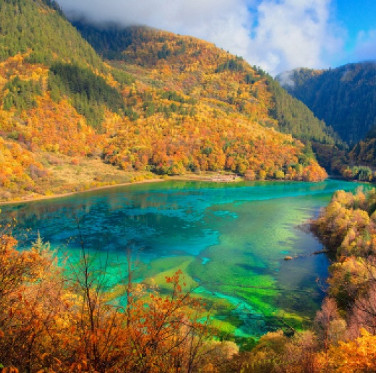
The Unesco Scientific, Educational and Cultural Organization has recognized the Nine Camp Site of the World as a World Natural Heritage in 1992.
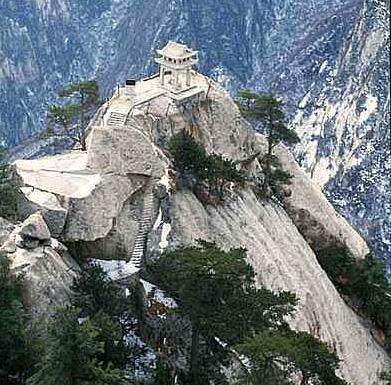
Unesco's Scientific, Educational and Cultural Organization recognized the Huangshan Mountain in Anhui Province in eastern China as the World Natural Heritage in 1990.
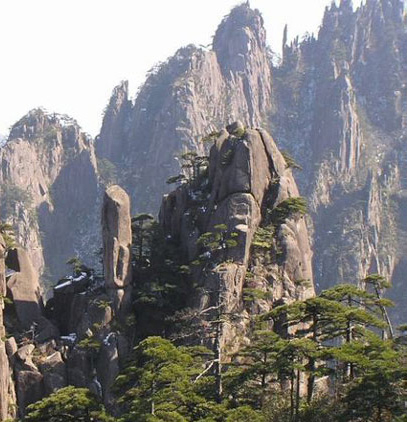
Unesco's Scientific, Educational and Cultural Organization recognized Emei Mountain and China's Leshan Buddha and the world's mixed heritage in 1996.
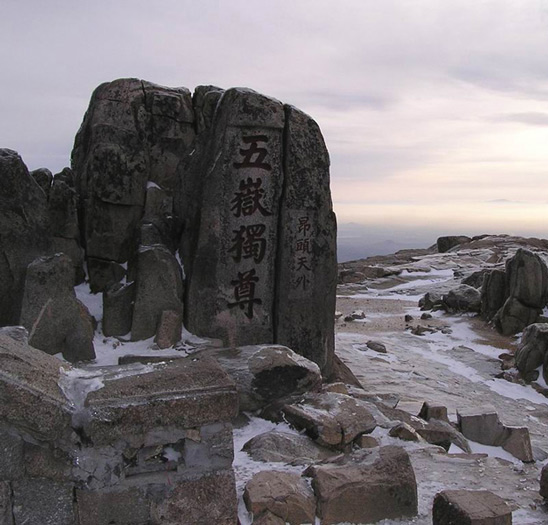
Unesco's Science, Education and Culture Organization has recognized the Thai Son mountain of China as a World Heritage listed in the mixed heritage list in 1987.
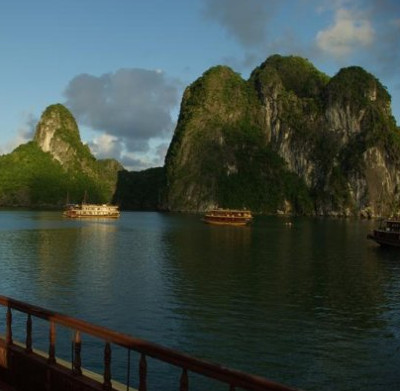
Ha Long Bay is located in northeastern Vietnam, part of the western part of the Gulf of Tonkin, including the waters of Ha Long City, Cam Pha City and part of Van Don Is…
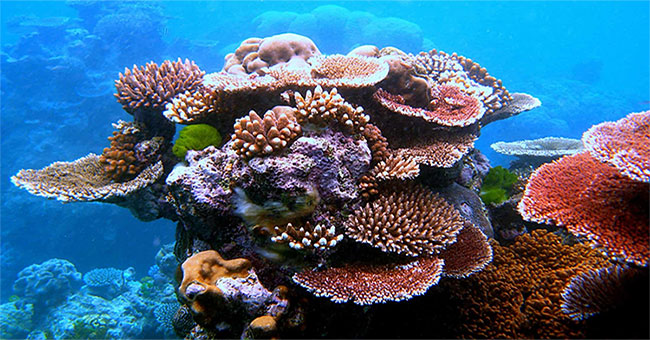
Elizabeth Moore International Center for Coral Reef Research & Restoration has unknowingly discovered how to reproduce artificial corals 40 times faster than natural spe…
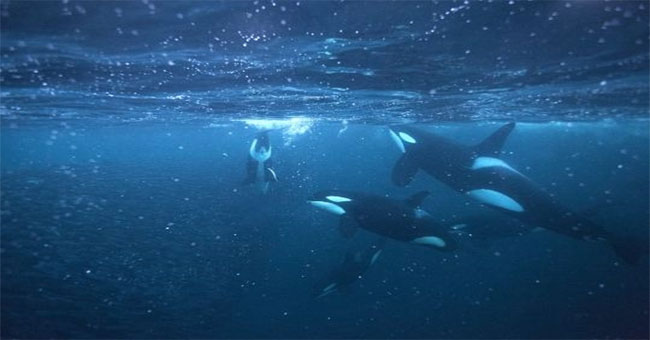
Polychlorinated biphenyls (PCBs) were previously used to make electrical and plastic components that are one of the most toxic substances polluting the ocean.
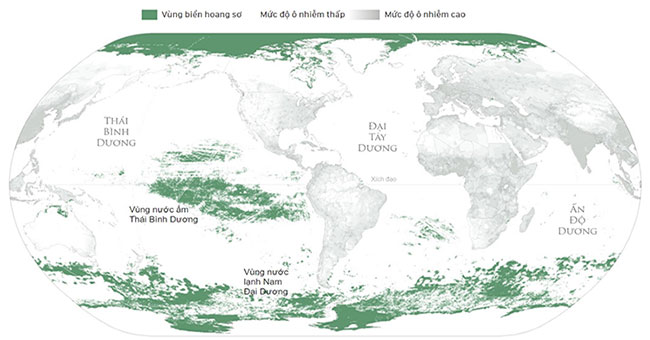
We often know a lot about protected natural areas and help avoid human impact, but there are few documents that study similar conditions in the oceans.
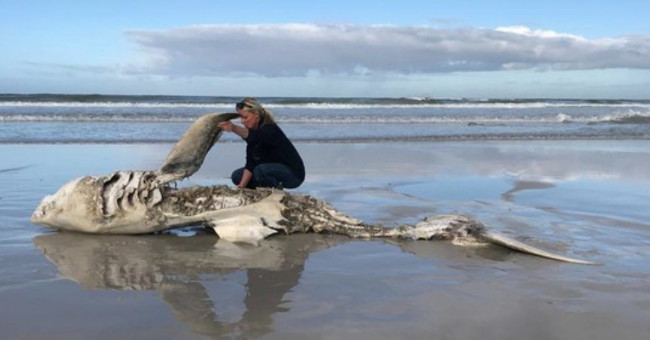
The world has turned into 2018, but it is still there but the unexplained mystery comes from 2017.
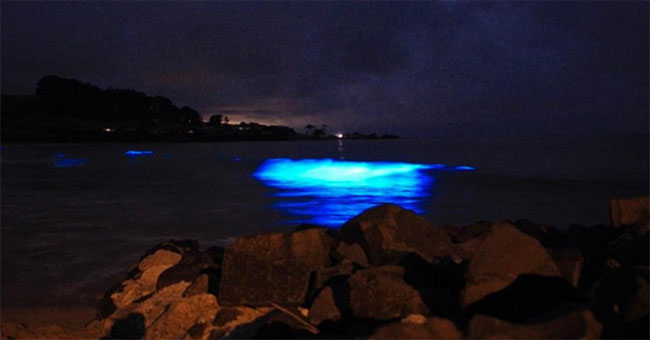
In the photos, one can see a sea of water strewn with clumps of water as if it is capable of producing very magical light.
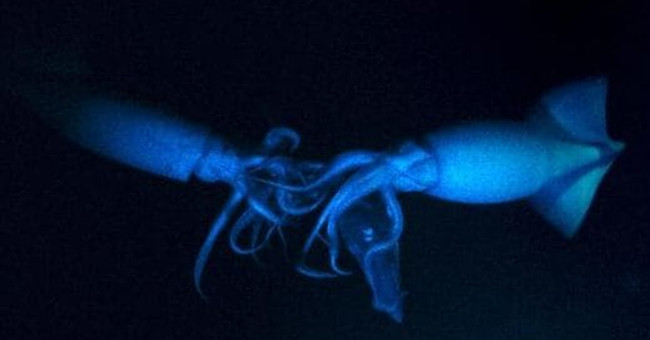
The documentary of the natural documentary Blue Planet II first approached depth of more than 760 meters off Chile to record humboldt squid prey, Telegraph reported.