Space science
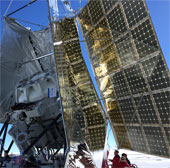
Using a balloon to bring the telescope up to observe the Big Bang trace
Scientists are experimenting with using a balloon to bring the radio telescope high to observe cosmic microwave background radiation.
Browse ScienceInfo articles and explainers related to Observation.
312 published items.
Scientists are experimenting with using a balloon to bring the radio telescope high to observe cosmic microwave background radiation.
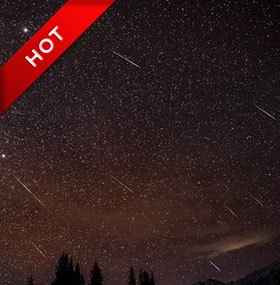
On the night of 13 th and the night of December 14, the young people had the opportunity to wish to enjoy when witnessing the biggest and most beautiful meteor shower of…
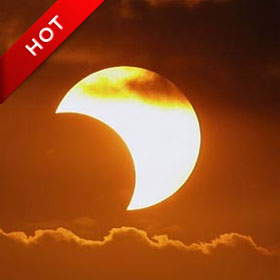
Partial eclipse is one of the most astounding astronomical events to come here in North America.
The United States and India, the two countries that have just succeeded in sending probe into orbit Mars, have reached a cooperation agreement in the future to explore t…

Japan Meteorological Agency (JMA) said on October 7, Japan successfully launched the Himawari-8 weather observing satellite from Tanegashima space center in Kagoshima Pr…
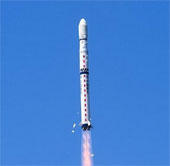
On August 19, China successfully launched its most advanced Earth observation satellite named Cao-2.
On the morning of June 30, the Indian Space Agency (ISRO) successfully launched PSLV-C23 boosters carrying 5 foreign satellites.
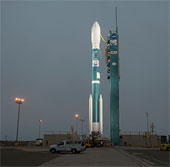
The US Aerospace Agency (NASA) is trying to launch a satellite built to monitor carbon dioxide (CO2).
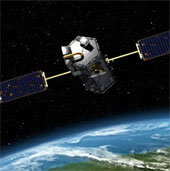
The US Aeronautics Agency (NASA) is in the final stages of preparing to launch the first satellite universe to perform the function of measuring carbon dioxide concentra…
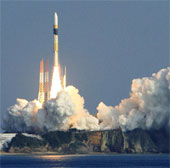
Japan is scheduled to launch a satellite observing the Earth on May 24, to use it to investigate the damage caused by natural disasters and changes affecting tropical ra…
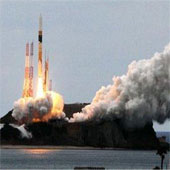
On May 24, Japan successfully launched the advanced ground-observation satellite Daichi-2 into orbit.
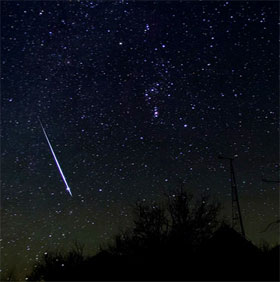
In the dawn of May 5, astronomers from all over the world can admire the meteor shower of Eta Aquarids.

A new type of satellite is designed to gather real-time information to measure rainfall, snowfall and storm forecasting on a global scale (GPM).
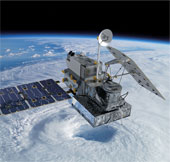
GPM will use the same exploration method as its predecessor, built on previous technology.
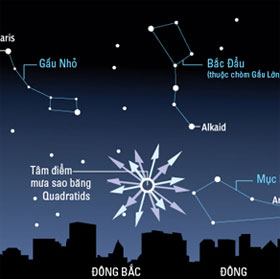
Quadrantids - one of the largest meteor showers in the year will reach its peak on the morning of January 4 with a meteor number of up to 50 tracks / hour.