Space science
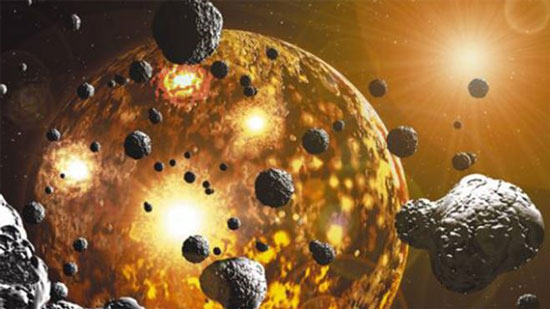
Meteors are about to bring gold to earth
In early October, a massive meteor shower will descend on Earth, brought by the comet Giacobini-Zinner, flying close to our planet.
Browse ScienceInfo articles and explainers related to October.
796 published items.
In early October, a massive meteor shower will descend on Earth, brought by the comet Giacobini-Zinner, flying close to our planet.
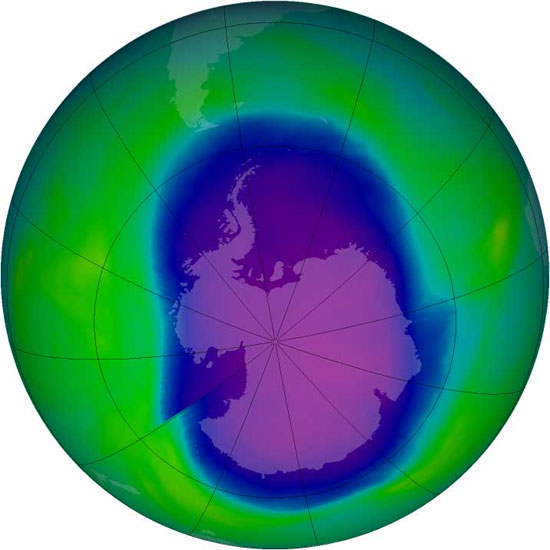
On October 4, Russian scientist Alexander Makshtas in charge of the Russian Federation's Arctic and Antarctic Experimental Station confirmed that the amount of ozone in…
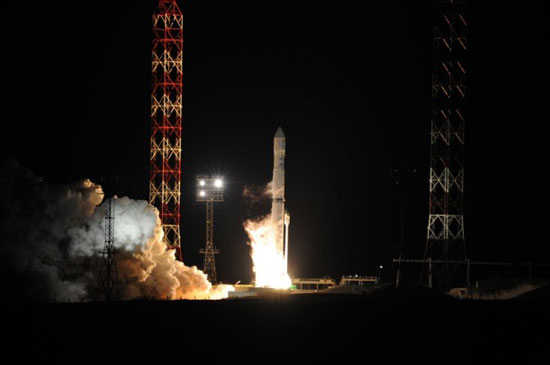
From Baikonur Cosmodrome in Kazakhstan, Russia successfully launched the US Intelsat-18 telecommunications satellite to space on October 6.
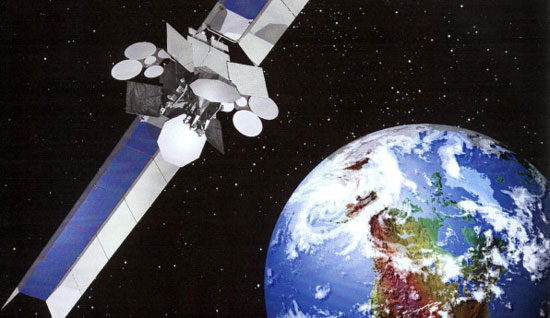
Canadian media reported that (October 6, 2011), a satellite incident occurred, affecting thousands of people in rural areas of northern Canada and dozens of flights due…
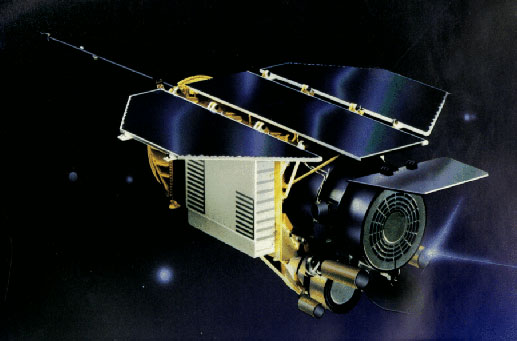
The 2.5-ton ROSAT telescope will fall to Earth in late October and is likely to cause 1.5 times more casualties than UARS satellites.
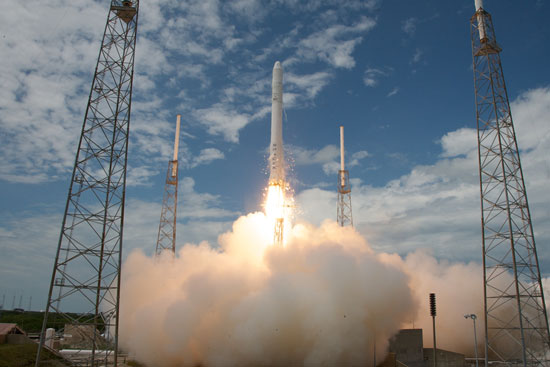
SpaceX, California-based private rocket manufacturing company, announced on August 15 that it will conduct a test flight to the International Space Station (ISS) in late…
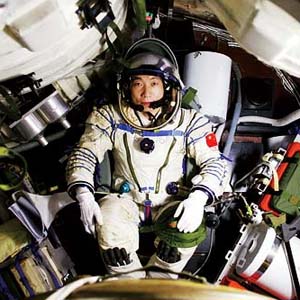
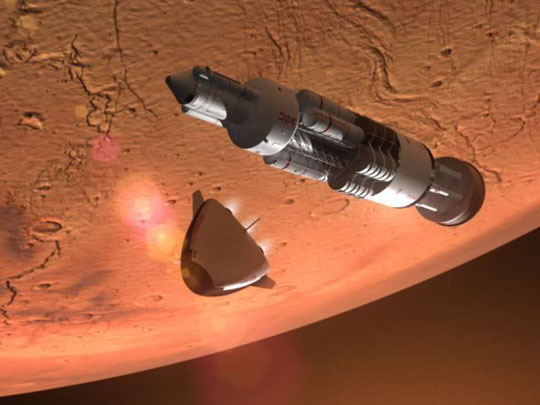
Next October, China will launch its first Mars probe from Baikonur Cosmodrome in Kazakhstan.
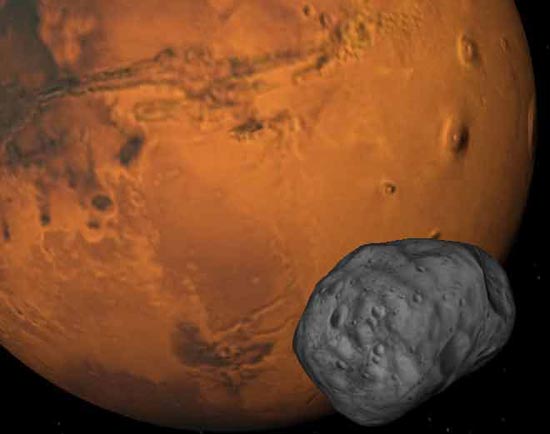
Chinese and Russian spacecraft will take off in October this year to explore the red planet.
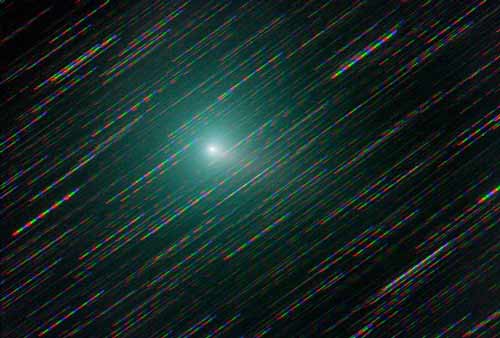
According to astronomers, the ghostly green comet named 103P / Hartley has moved in position ...
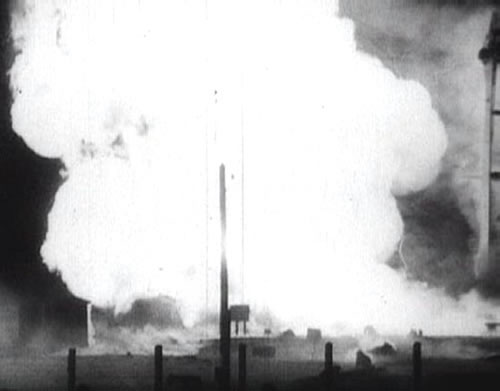
On October 24, Russia celebrated 50 years of the most terrible accident in the history of world space exploration ...
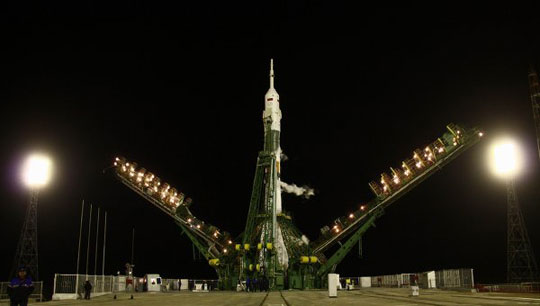
At 20:36 (local time) on October 30, the M-08M, Russia transport ship, launched on October 27, successfully assembled with ISS.
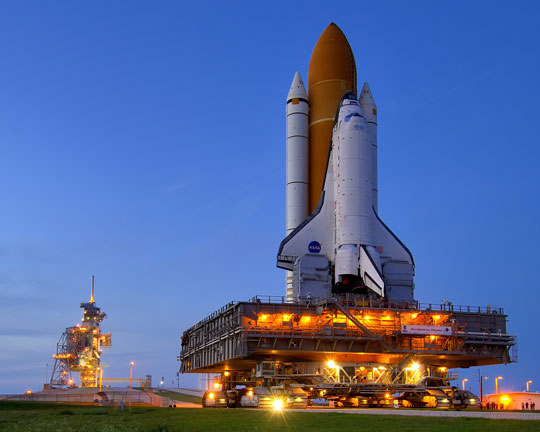
On October 30, the US Aeronautics Agency (NASA) announced to delay the launch of Discovery shuttle until November 3.
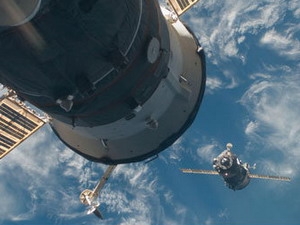
Russia's TMA-M Combined Spacecraft, equipped with a digital control system, has successfully assembled with the International Space Station (ISS).
China on October 12 said that the country's Russian-2 moon-moon satellite still has a large amount of fuel to return to Earth.
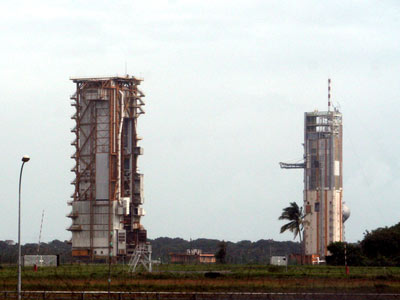
At 18:59 hours 57 seconds, the Chinh Chinh-3 boosters were given fire points to explore the Moon Russian-2 spacecraft.