Animal world
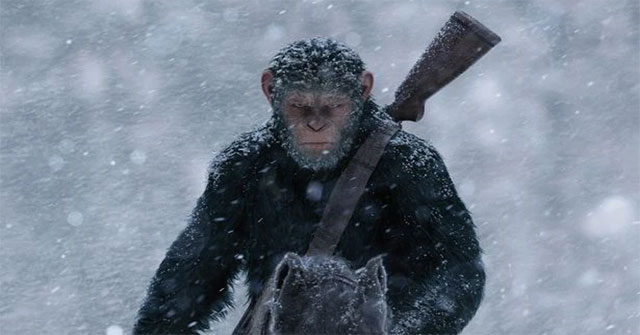
The story of the 'human chimpanzee': Walking on two legs, liking women and the tragedy of the end of life
Chimpanzees are thought to have 48 chromosomes, humans have 46, and Oliver the chimpanzee has 47.
Browse ScienceInfo articles and explainers related to Oliver.
32 published items.
Chimpanzees are thought to have 48 chromosomes, humans have 46, and Oliver the chimpanzee has 47.
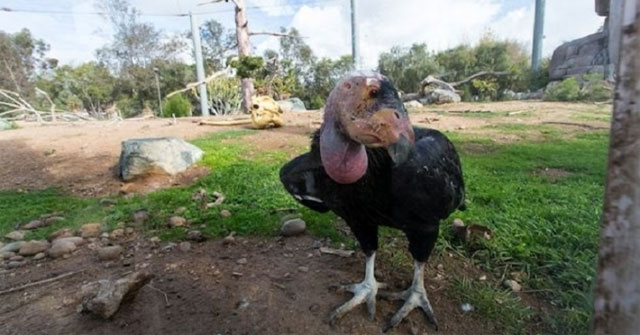
The researchers were surprised to discover the phenomenon of virginity in captive female California ospreys, after sharks, rays and lizards.
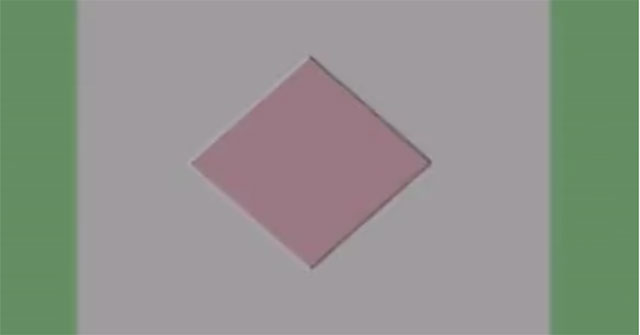
Because it's actually a visual illusion, making your eyes see things that aren't real.

James Oliver, living in England, claims to come from another galaxy, lived in 6491 and went back in time to Earth, when the travel machine was broken.
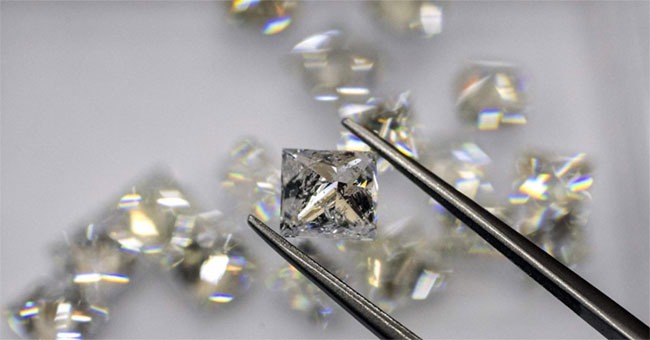
However, according to scientists, this ice has a lot in the Solar System.
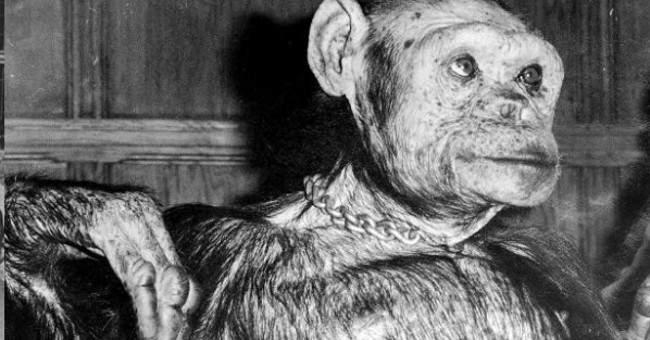
Evolutionary psychologist Gordon Gallup claims a former professor at his university confirmed the chimpanzee hybrid experiment, which was successfully conducted in Orang…

American scientists find the real reason why the shoelaces are always slipping away, no matter how tight the user is.
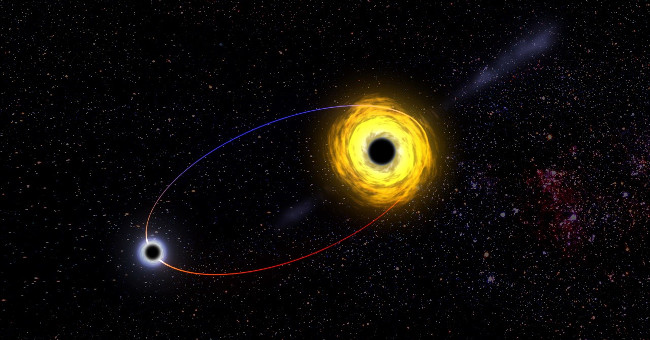
After the press releases about finding gravitational waves, they all turned to Einstein. However, history shows that Henri Poincaré was the first to predict this type of…
The most abundant mineral of Earth, silicate-perovskite has recently been officially named bridgmanite.
'Bone overlaps with bones, we couldn't believe our eyes,' said Oliver Wings, a paleontologist and honorary researcher at the Naturkunde museum in Berlin.

Scientists have discovered an intact dinosaur fossil up to 98% in the Bavarian region of Germany. This fossil is dated to 135 million years. According to the Daily Mail,…
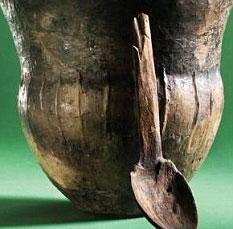
Evidence from the vessels found around the Baltic Sea region in northern Europe shows that farmers in the early stages of the Neolithic period continued to process foods…
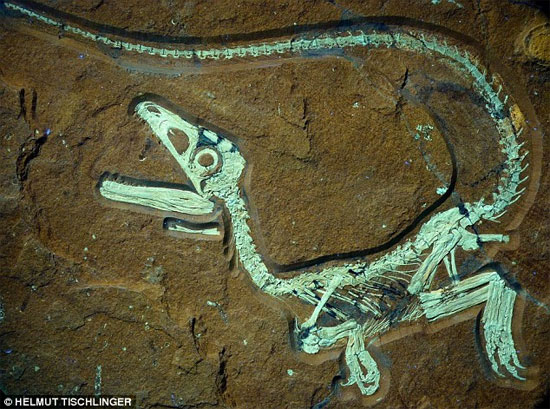
German scientists have unearthed intact dinosaur skeletal bones up to 98% dating back 135 million years.
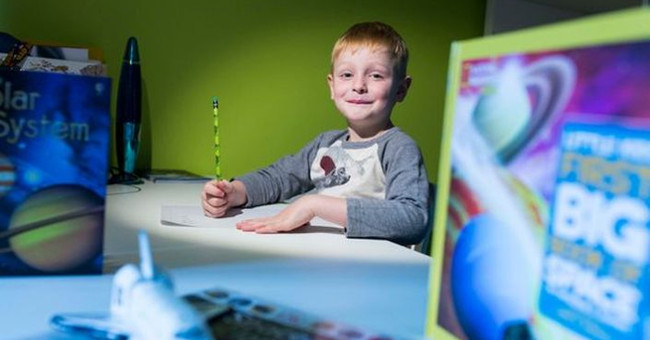
You must paste the 18,416 first-class stamps of Royal Mail to cover the cost of the letter.
The researchers were stunned to discover that DNA could survive in the harsh conditions of space and almost