
Archeology
Searching for the common linguistic origins of half the world's population, spanning across Eurasia.
Today, nearly half the world's population speaks an Indo-European language as their first language.
Browse ScienceInfo articles and explainers related to Population.
651 published items.
Today, nearly half the world's population speaks an Indo-European language as their first language.

Many beautiful countryside areas in Europe, America... are inviting foreigners to settle down by providing houses and attractive support fees, even up to billions of don…
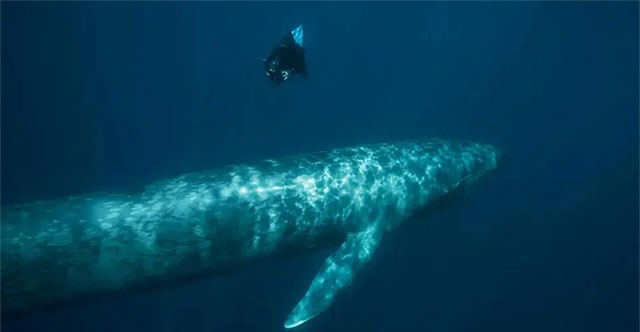
The finding of heterospecific DNA in Atlantic blue whales could raise new questions about genetics and species relationships in the marine environment.

Through raids and massacres, Genghis Khan's army caused huge amounts of carbon dioxide to disappear from the atmosphere, possibly making the Earth colder.

If in China and India, the ratio of men is higher than that of women, causing the gender gap to become increasingly tense, then in the countries below, the opposite is t…
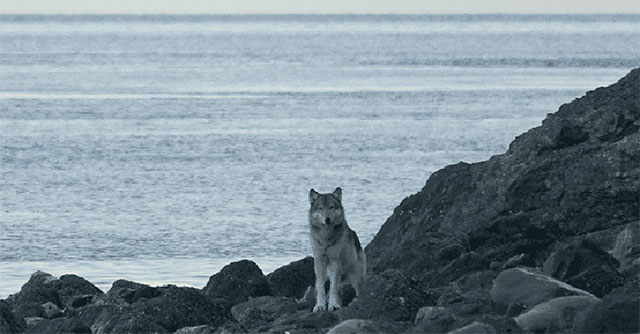
In a wilderness area of Alaska, where the moose population is only about 200, when wolves first appeared there, there were predictions that they would quickly leave on…

At the end of the 20th century, American scientists experimented with building an ideal cage for mice, from the initial 4 couples they cloned 2,200 mice and then gradual…

The pandemic has dramatically reshaped human life expectancy, with a more severe reduction than previous studies suggested.

An astronomical research team at the University of Liège in this country and international colleagues have just announced the discovery of a population of 138 smallest a…
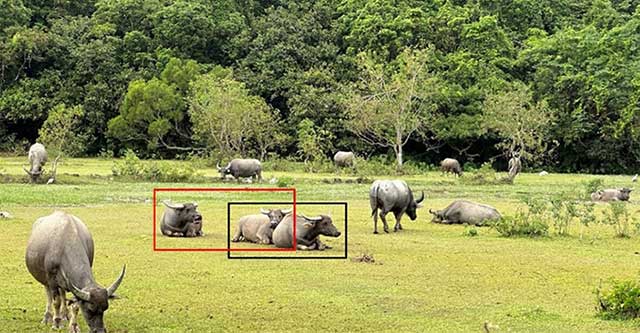
It seems that finding a true friendship in this world is difficult.
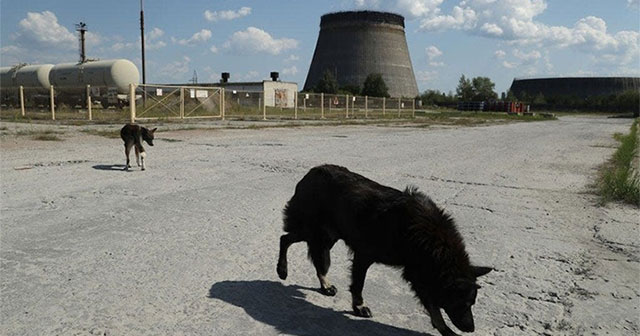
The 1986 Chernobyl nuclear disaster not only left serious consequences for the environment and human health but also became a
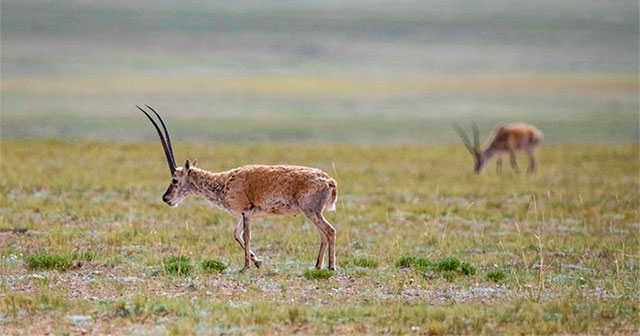
Chinese scientists have successfully decoded the chromosome-level genome of the rare Tibetan antelope, with the aim of discovering the secret to their survival at high a…

As the global population continues to grow, ensuring adequate food supplies to meet demand becomes a major challenge.

The dwarf lanternshark is the smallest shark in the world, growing to a maximum length of less than 30cm.

Whether intentional or not, the way large settlements were built in southeastern Europe 6,000 years ago may have limited the spread of disease.