Archeology
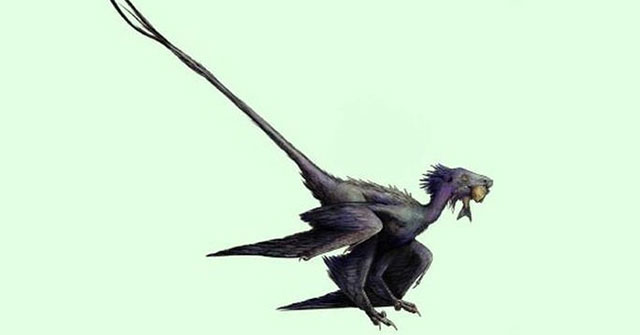
Discovered 'monster' dinosaur head, phoenix tail
An ancient creature with a dinosaur-like head and body, wide wings, raven feathers and a phoenix-like long tail that once fluttered our continent.
Browse ScienceInfo articles and explainers related to Raven.
16 published items.
An ancient creature with a dinosaur-like head and body, wide wings, raven feathers and a phoenix-like long tail that once fluttered our continent.
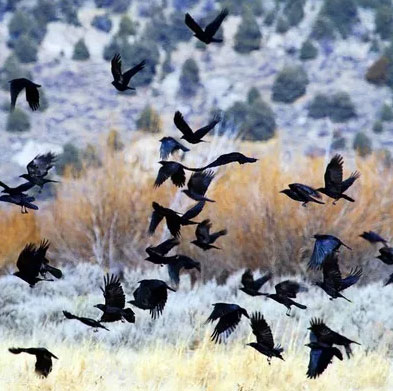
The crow has a collective behavior that cries and mourns, but no one has explained this.
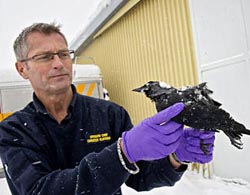
The people of Falkoping City, southern Sweden, found corpses of crow ravens on the street yesterday, similar to the rain of bird carcasses in the United States.
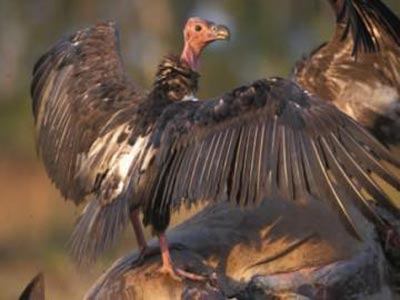
A leading US biologist claims that two-thirds of the world's animals and plants are facing extinction in this century ...
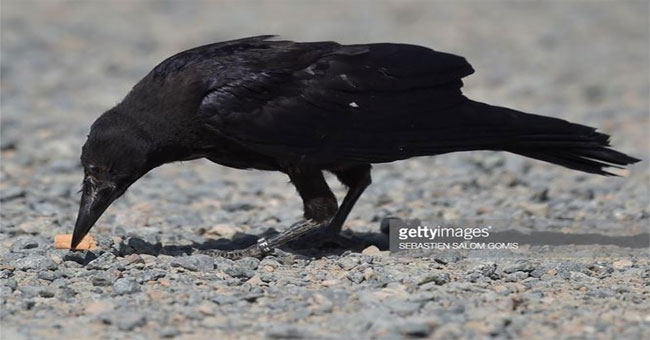
Some previous biologists claimed that the crows are actually very sociable and intelligent. Their intelligence is even compared with a 7-year-old.
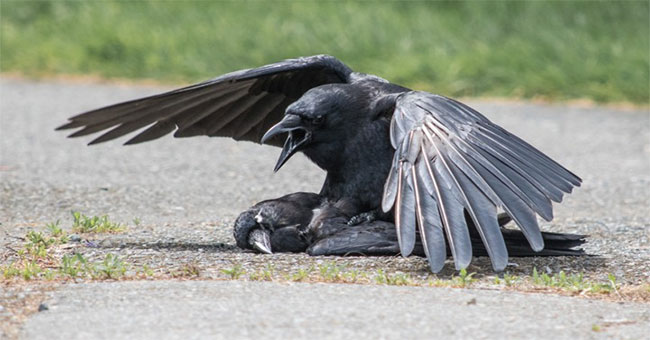
Crows are birds with high social behavior and they continue to have close relationships after death. Live crows often gather and make loud noise near the corpses, accord…
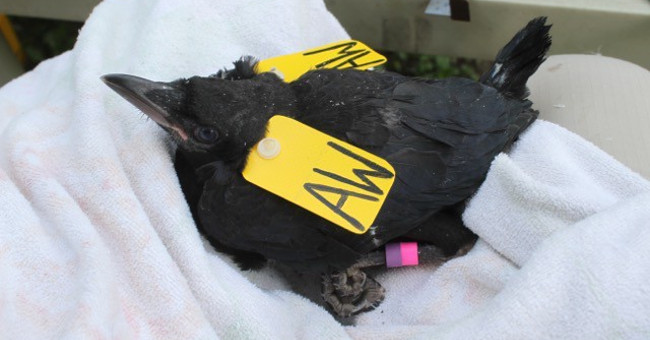
Classified as the planet's most intelligent animal, crows are the only non-primate species that can create and use working tools.
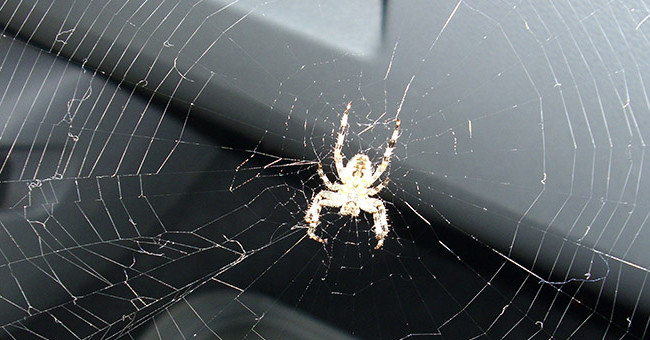
If anyone ever thought their car could not resist the spider, perhaps you were going to find the answer.
The top 10 smartest animals in the world below will make you surprised. People often say

The impressive moment when the aunt bird won the snake with a lake in India was recorded by a female student.
Perhaps, of the millions of animals on Earth, rare animals are as miserable as birds.
British researchers say for the first time in the world, crows capable of using eyes to communicate with each other are similar to primates.
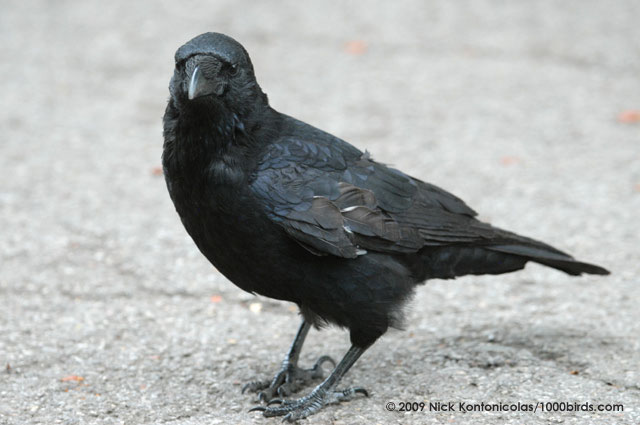
The ravens have a special memory. It remembers specifically and in detail what happens in relationships with people of the same type (friends or enemies). This conclusio…
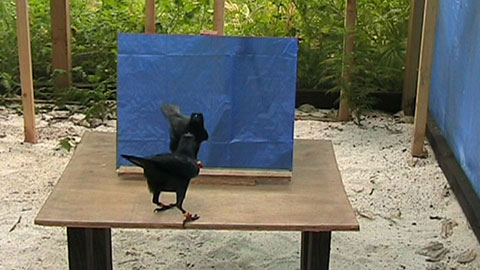
Scientists say smart New Caledonian crows can use mirrors to find food.

A raven knows how to use tools to feed and explore dangerous objects that are being studied by scientists at Oxford University (UK).