Space science
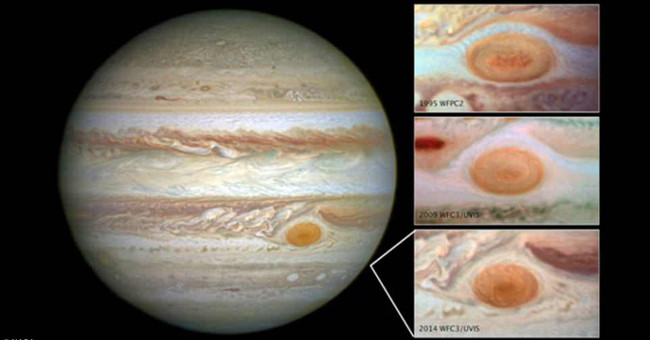
Super storm is enough to swallow 4 Earths
Images of Jupiter - the solar system's largest planet - always show beautiful lines and a prominent red spot.
Browse ScienceInfo articles and explainers related to Red.
1,787 published items.
Images of Jupiter - the solar system's largest planet - always show beautiful lines and a prominent red spot.
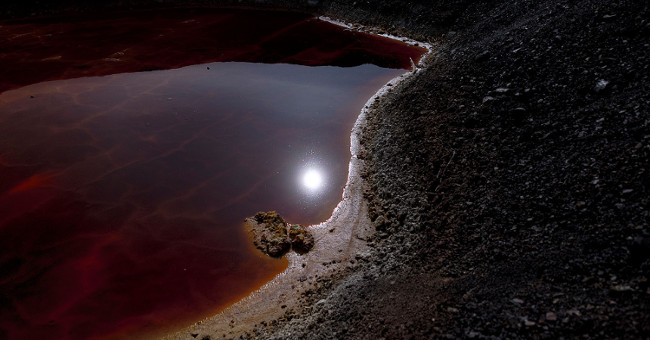
This image shows a strange image of the full moon, reminiscent of a typical scene simulation image like Mars.
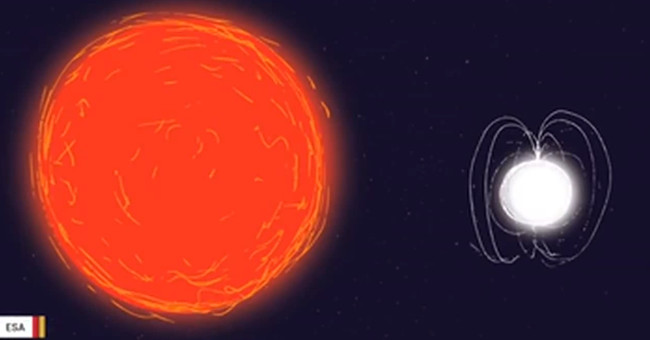
ESA researchers discovered wind from a giant red star that helped revive a companion dead star in binary.
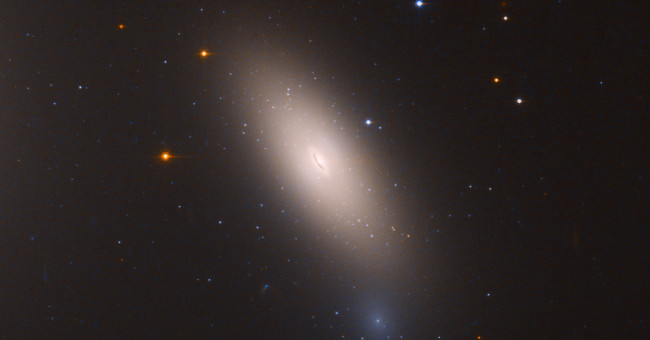
The mysterious galaxy called NGC 1277, seems to have not grown much in the past 10 billion years.
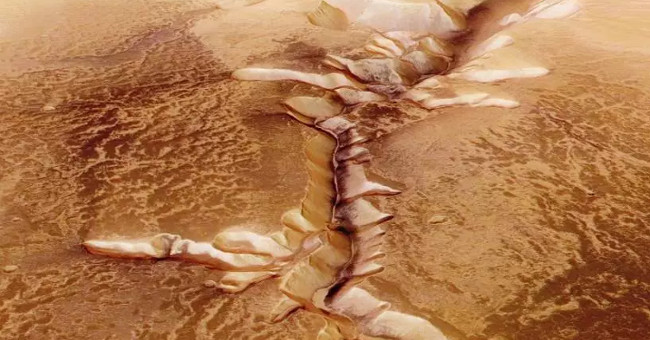
The time machine may not be real, but since there is a special section in the New York Times archive file, we can refer to real newspapers that have been published decad…

Many residents in the Urals mountains, Russia, reported seeing a blazing fireball lighting up the night sky before making a loud bang.
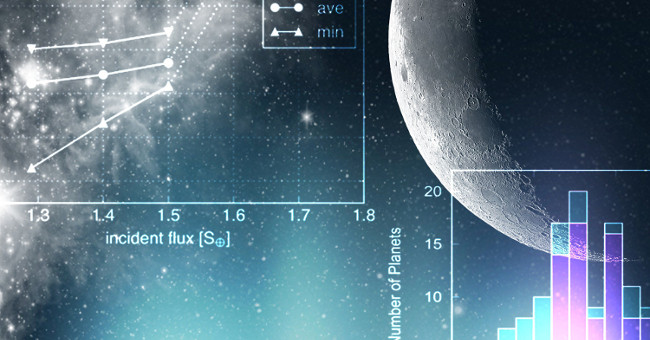
The new study was published by the University of Tokyo Institute of Technology (Japan). The newly discovered planets revolve around some small red dwarfs near Earth.
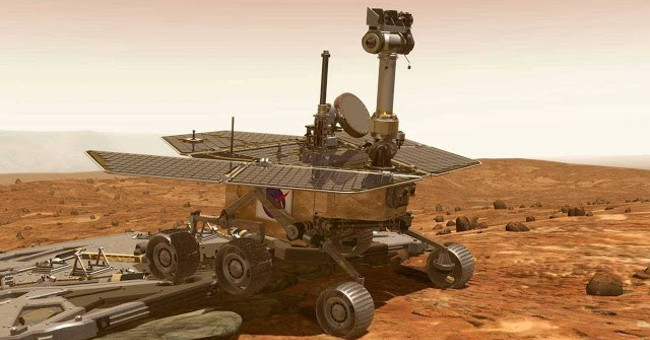
In 15 years of Mars exploration, the Opportunity vessel of the US Aerospace Agency recorded hundreds of thousands of photos, moving through dozens of kilometers of terra…
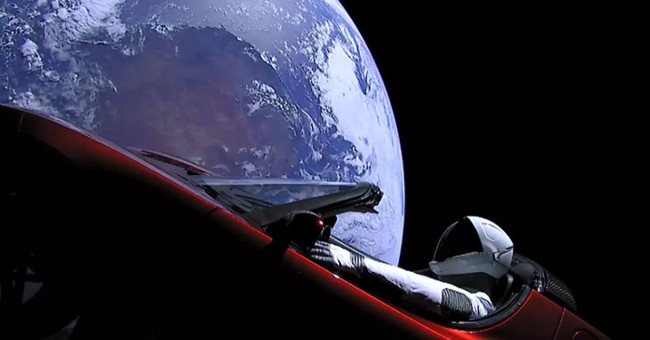
Elon Musk, owner SpaceX, hopes the car will survive in space for about a billion years. However, solar radiation can damage the car much earlier than this time.

NASA astronauts are undergoing a month of isolation on a red planetary simulation environment in the Dhofar desert in Oman to prepare for the mission to bring people to…
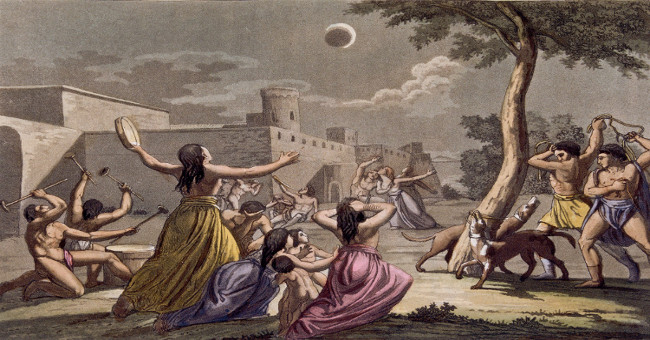
Today when science advances, we know that the total eclipse is an astronomical phenomenon and its level of occurrence is quite frequent.
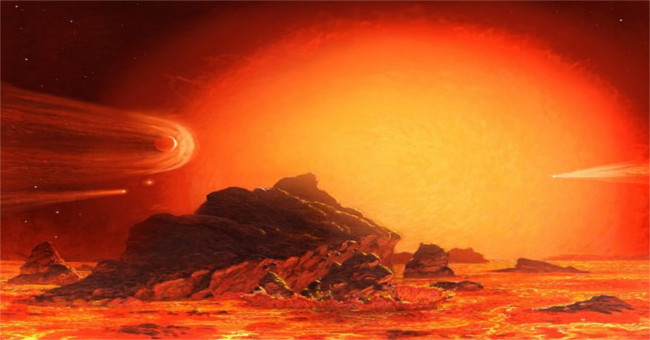
This giant red star, called pi1 Gruis, is covered by a convection region, formed in the final stages of a star's life cycle.
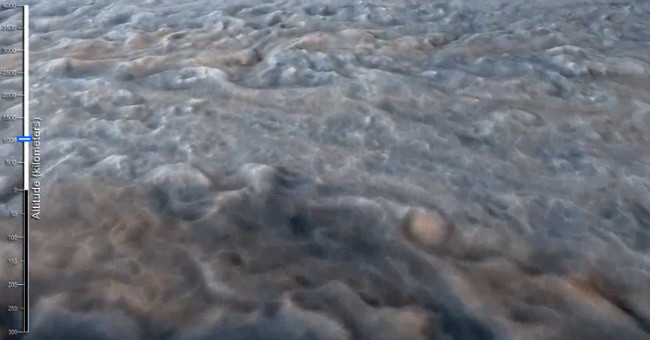
NASA shares graphics revealing the scene when flying through super storms Large red marks with a diameter of 16,000km sweep Jupiter for 350 years.
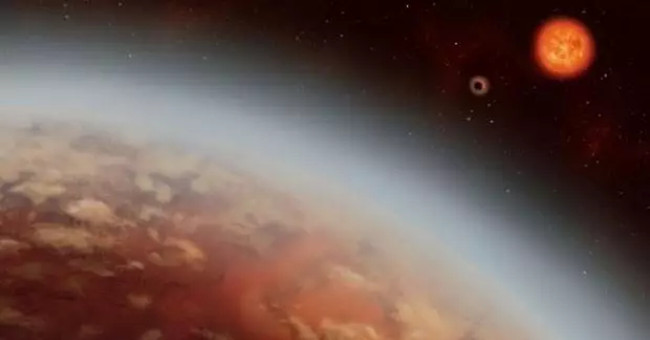
An exoplanet at 111 light-years away could be a large version of the Earth with conditions suitable for life.
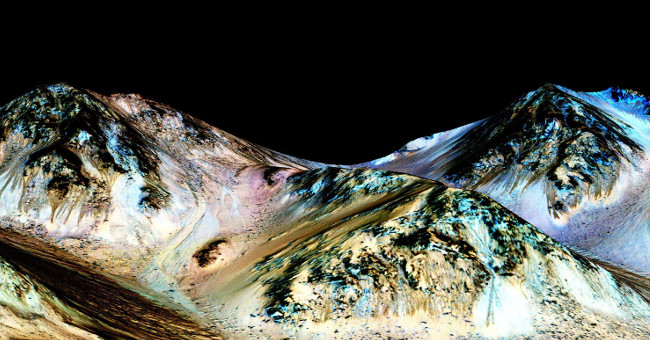
Dark lines on Mars are merely a sign of flowing sand or dust in an article published in the November 20 issue of Nature Geoscience.