
Space science
The phenomenon of East Asia sky was red during the 9 days of 1770
In 1770, East Asia, including some countries such as Japan, South Korea, North Korea and the east coast of China, happened to have the sky dyed red for days.
Browse ScienceInfo articles and explainers related to Red.
1,787 published items.
In 1770, East Asia, including some countries such as Japan, South Korea, North Korea and the east coast of China, happened to have the sky dyed red for days.

Five billion years from now, the Sun will swell and turn into a giant red star, swallowing most of the inner planets of the system.

Before the Sun was fully enlarged and turned into a giant red star swallowing the Earth, human descendants may have migrated to other planets like Neptune.

The failed launch of the Truong Chinh 5 rocket in early July caused China's upcoming moon missions to be delayed.

Despite bringing dozens of spacecraft to explore Mars, many mysteries in this red planet have yet to be discovered.
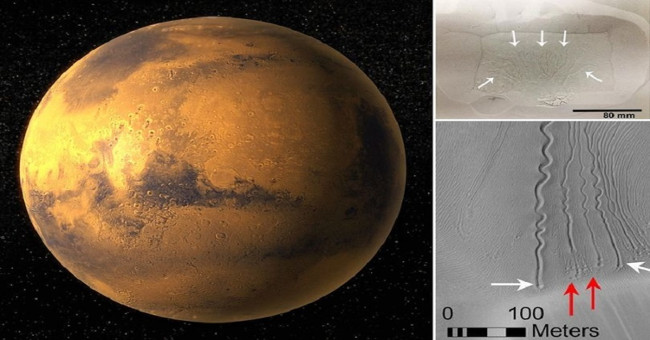
The surface of the red planet has very strange wavy lines that scientists have successfully decoded.

The finding contrary to the astronomical hypothesis concludes that a star so small cannot create a planet too large.
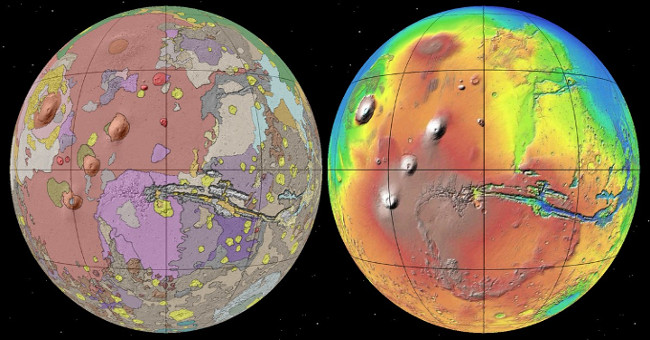
The US Geological Survey recently published the latest Mars map, which can provide important research information for future red planet exploration programs.

Mid-Autumn Moon is the nearest moon on Autumn day. Turning around the Earth at a low angle of the horizon during this time of year, the moon rises after sunset for sever…
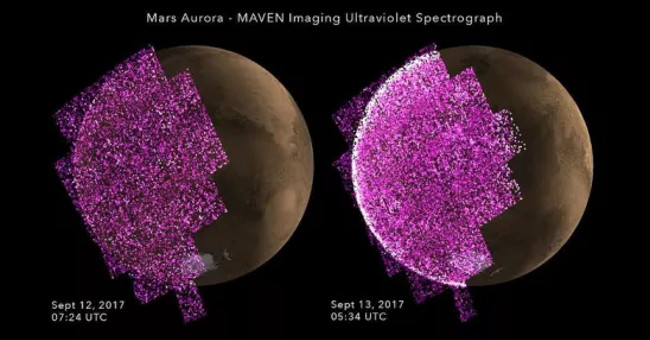
The event is caused by an intense solar wind sweeping through Mars, causing the planet's radiation level to peak.

Australian experts designed special carpets to invite aliens to visit Earth, Space reported on September 26.

SCMP said on September 6, China will invest $ 61.1 million to build the project

Accordingly, the region that fully observes the partial eclipse in August is the majority of Asia (including Vietnam), the east coast of Africa and most of Oceania.
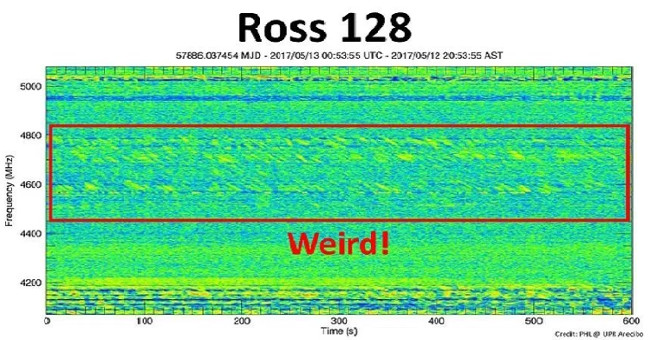
Last week, the Arecibo observatory in Puerto Rico for the first time received a signal for radio wave outbreaks.

Scientists at the Arecibo Observatory in Puerto Rico on May 12 discovered abnormal radio signals that were most likely coming from Ross 128, a red dwarf star.