Space science
Russia reused Soyuz after its failed launch
Five days after the missile launch failed, on December 28, Russia's Soyuz rocket system was returned to service. And this time, the Soyuz boosters successfully placed 6…
Browse ScienceInfo articles and explainers related to Russia.
1,190 published items.
Five days after the missile launch failed, on December 28, Russia's Soyuz rocket system was returned to service. And this time, the Soyuz boosters successfully placed 6…
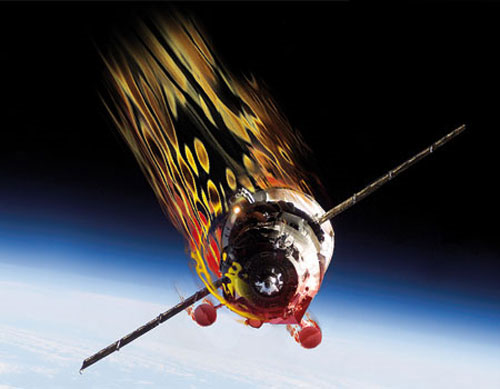
Russia admits the fragments of the Phobos-Grunt spacecraft will likely fall back to the ground next week.
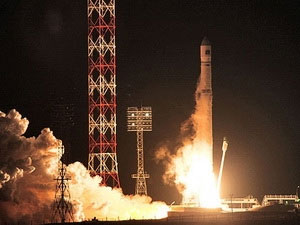
On January 11, the Russian Federal Aeronautics Agency Roscosmos announced the debris of the Phobos-Grunt Automatic Interplanetary Station to probe Mars could fall to the…
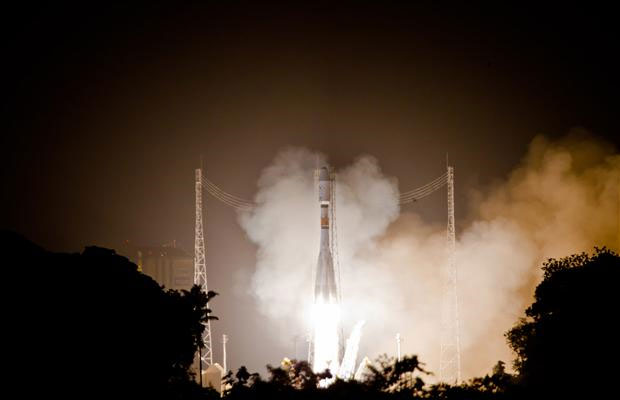
A Russian telecommunications satellite exploded and fell only a few minutes after being launched by the Soyuz rocket.

The Proton-M rocket will bring SES-4 satellites, the largest and most powerful satellite among SES satellites into orbit.
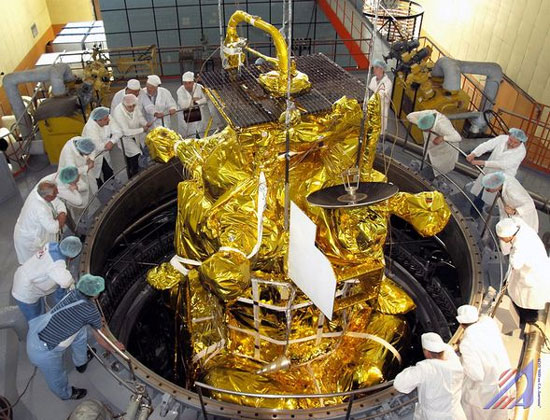
The Russian probe Phobos-Grunt, trapped in Earth orbit, will fall to southwestern Afghanistan on January 14, 2012, according to the US Strategic Command's forecast.
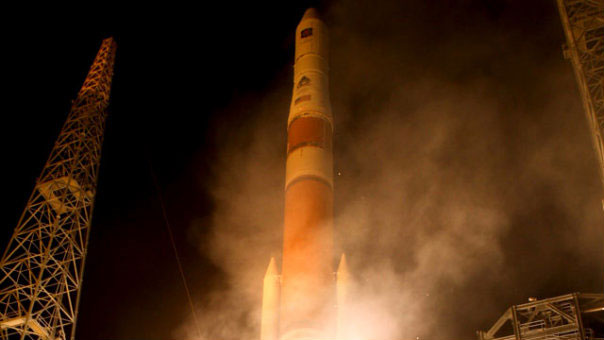
Space agency Roscosmos said Russia on December 11 launched two contact satellites with Proton-M rocket from the Baikonur space center in Kazakhstan.
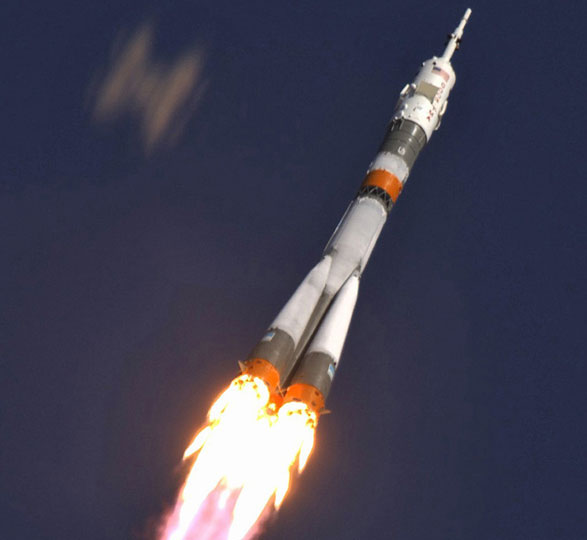
A Russian Soyuz rocket on December 16 left the launch pad at the European space base in French Guiana, carrying six low orbit satellites for the military and defense ind…
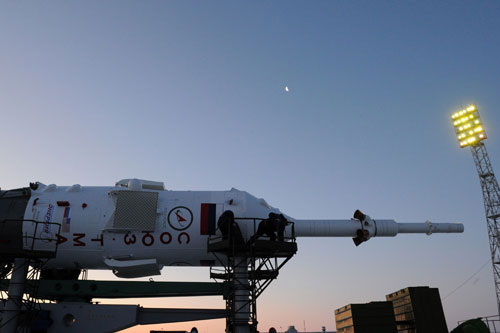
The Russian Federal Space Agency (Roscosmos) on December 19 transferred the Soyuz spacecraft to the launch pad at Russia's Baikonur Cosmodrome in Kazakhstan, in preparat…
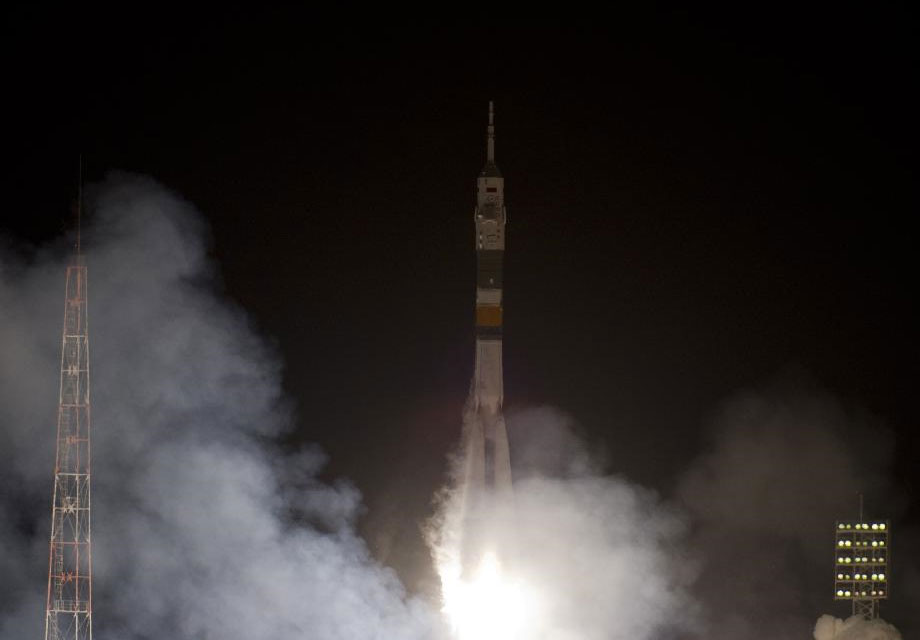
On the evening of December 21, Russia successfully launched the Soyuz spacecraft TMA-03M, bringing three Russian, American and Dutch astronauts to the International Spac…
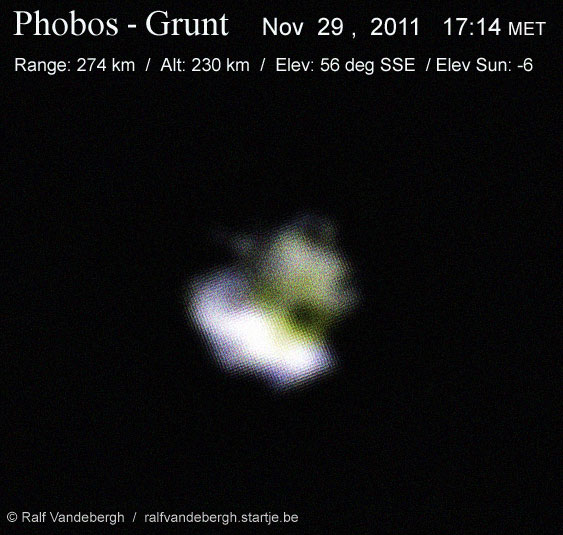
Russia is still powerless in locating the Phobos-Grunt spacecraft, but an amateur astronomer happens to discover this black ship.
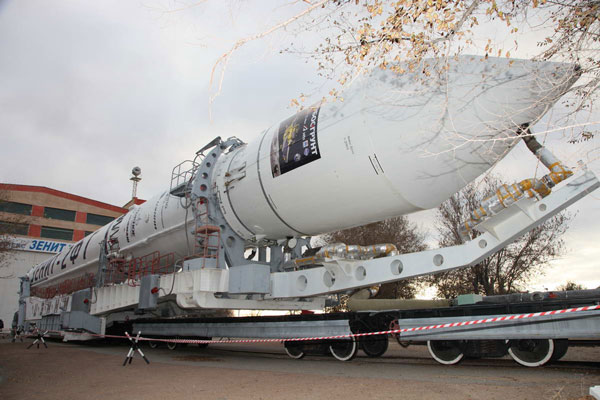
A source from the Russian space industry said there was little chance of saving the unmanned Russian spacecraft Phobos-Grunt launched on Mars.
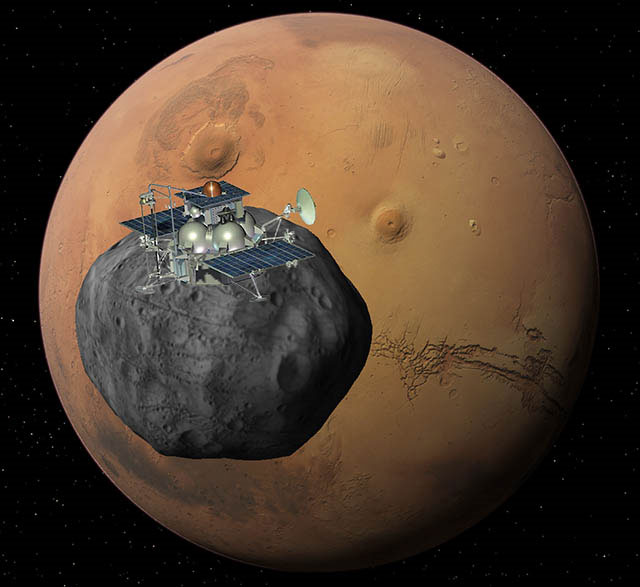
Russian spacecraft 'Phobos-Grunt' trapped in orbit has started to turn chaotic and not subject to command from Earth anymore.
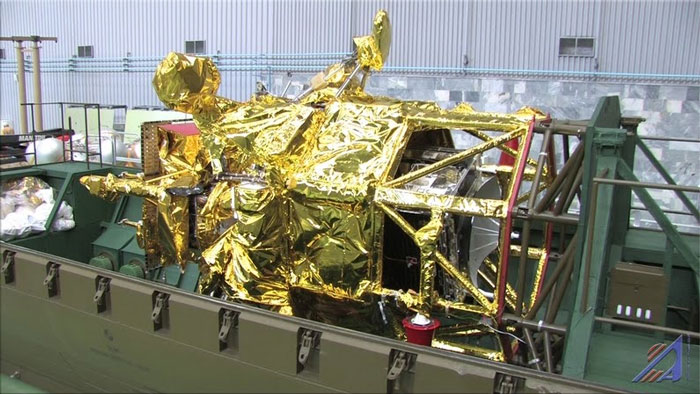
Experts of the Russian Federal Space Agency (Roskomos) were embarrassed to see the altitude of the Mars spacecraft, wandering in the air, rising abnormally.
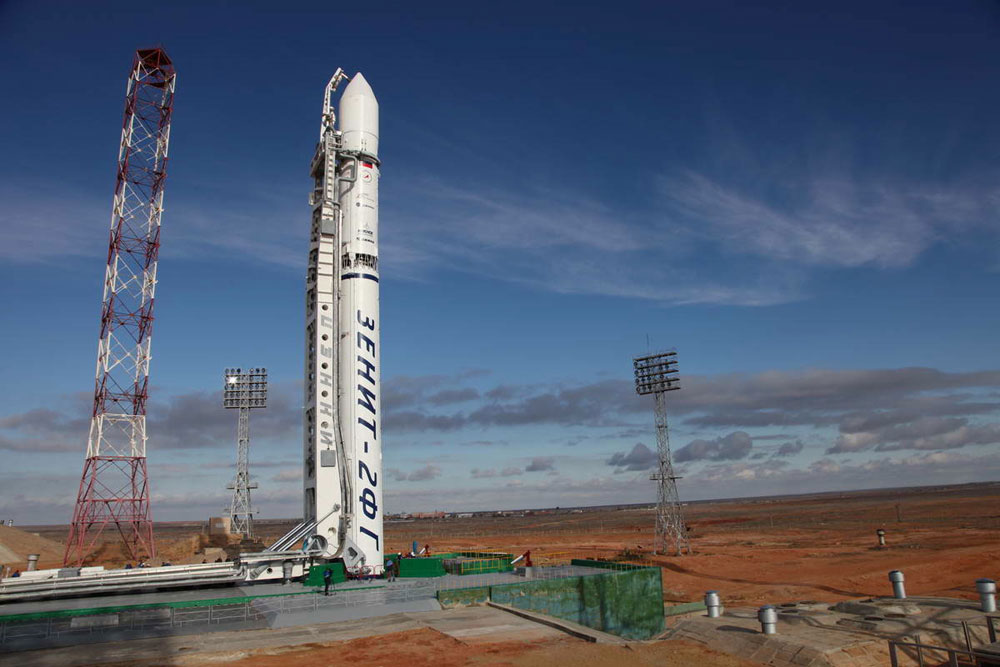
The European Space Agency (ESA) today announced its experts have caught the signal from Russian spacecraft stuck in orbit of the earth.