
Space science
The 'hidden' power of NASA's biggest super rocket: Technical wonder!
The story of the most powerful SLS rocket in NASA history - if understood deeply - can make more people love it!
Browse ScienceInfo articles and explainers related to SLS.
33 published items.
The story of the most powerful SLS rocket in NASA history - if understood deeply - can make more people love it!
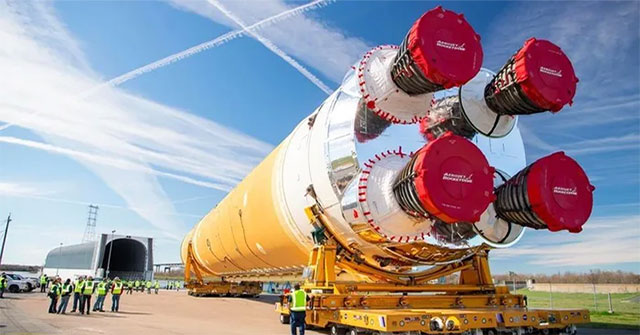
The event the US launches super rocket SLS is about to take place. It is expected that hundreds of thousands of people will see this historic moment with their own eyes.
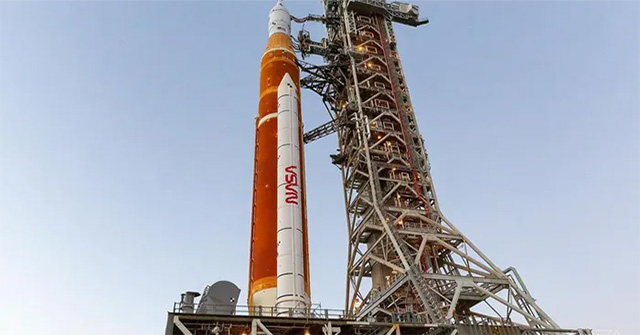
SLS is the most powerful missile in the world that the US possesses. SLS is about to carry out NASA's 'golden era missions'.
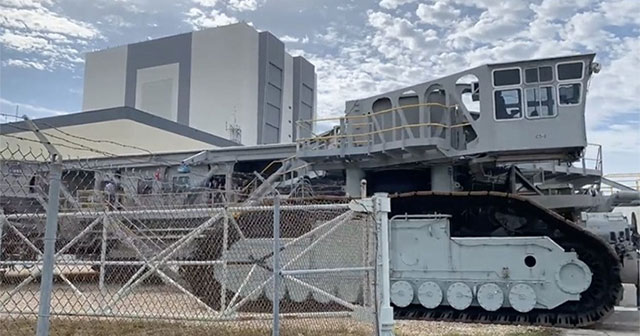
NASA's giant 50-year-old crawler vehicle will carry the SLS rocket and Orion to the launch pad next week.
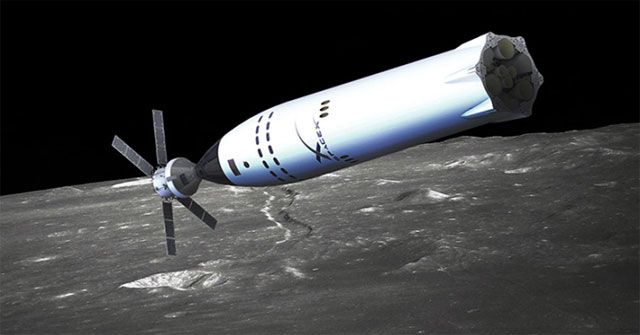
The NASA director said on November 9 that the flight to carry astronauts back to the Moon after five decades would not take place earlier than 2055.
NASA said it has completed the process of putting Orion on the SLS space launch system and is expected to have the first unmanned flight to the moon in 2022.
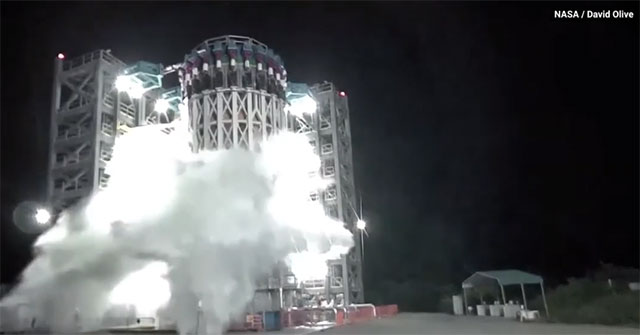
NASA is becoming quite good at exploding its next-generation rocket system.
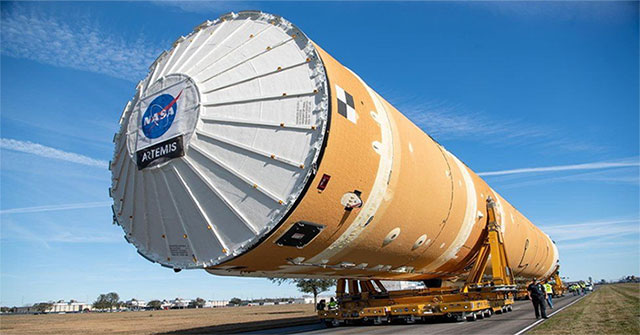
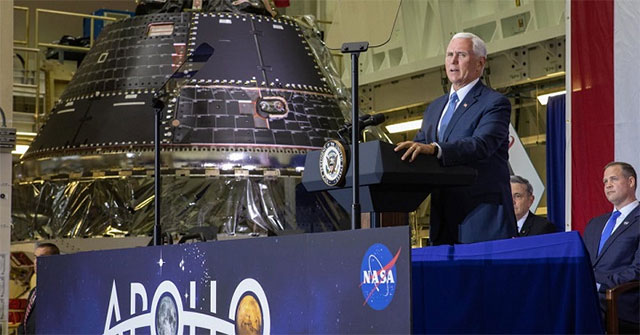
The space chamber of the Artemis project is tasked with bringing the American astronauts to the moon already prepared.
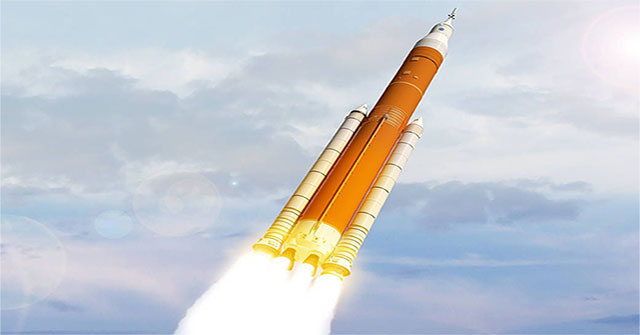
Super Mars missiles will be the strongest rocket ever, its fuel tank alone is 61 meters tall.
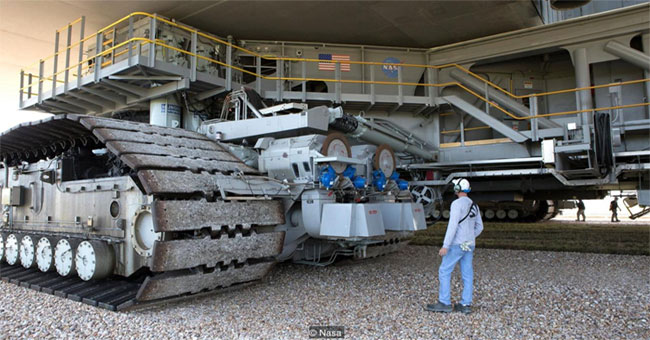
The over 50-year-old crawler carriage is refurbished and reinforced to transport NASA SLS missiles over a 7km distance to the launch pad.
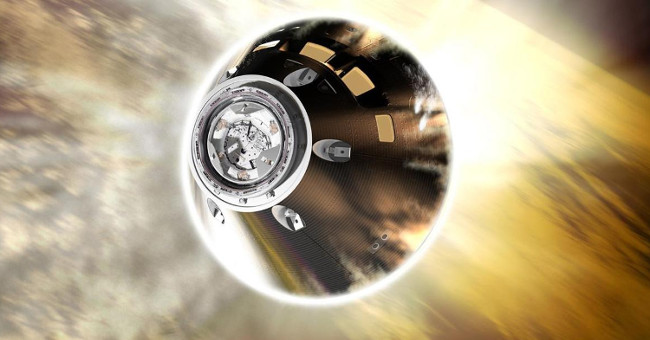
In 1959, when the first seven astronauts of NASA first saw the small space chamber and only for one of the Mercury spacecraft, they were not impressed.
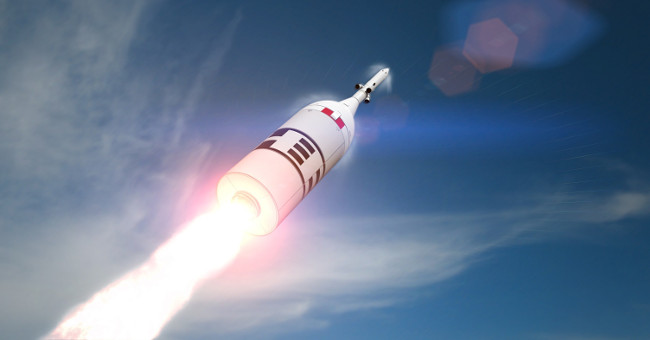
NASA uses the system to destroy the LAS launcher to save the astronaut if the Orion ship missile explodes.
According to Arstechnica technology site, over the past five years, the US Space and Aeronautics Agency (NASA) has been pursuing an ambitious project to put people on th…
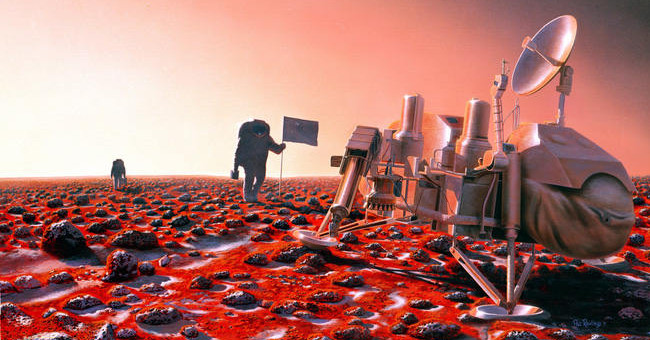
In March last year, US law allowed NASA to bring people to Mars in 2033. So they built detailed plans, including five stages of bringing astronauts to Mars orbit.