Archeology
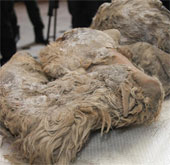
Detection of extinct rhino in 10,000 years
Researchers discovered the body of a turn-feather rhino, an extinct 10,000-year-old animal.
Browse ScienceInfo articles and explainers related to Sand.
1,021 published items.
Researchers discovered the body of a turn-feather rhino, an extinct 10,000-year-old animal.
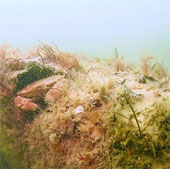
Researchers were extremely surprised and delighted at the discovery of the vast forest with thousands of years of life under the North Sea.
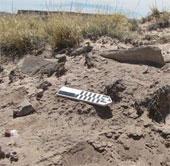
Archaeologists have discovered a village dating to about 1,300 years at a national park in the United States.
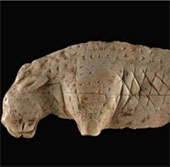
Archaeologists from the University of Tubigen (Germany) found ivory fragments belonging to an animal statue dating to about 40,000 years.
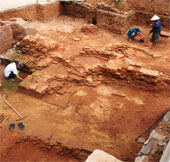
Many vestiges and artifacts show that a large temple complex in Qua Giang 2 village (Hoa Phuoc commune, Hoa Vang district, Da Nang) dates back to the 10th century.

Scientists at the American Center for Evolutionary Research have reported that fossil bone fragments found by a bird in the state of South Carolina (USA) show that this…
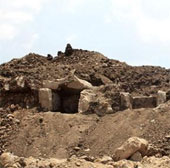
5 stone coffins dating to about 6,000 years old have been discovered in a western province of Turkey.
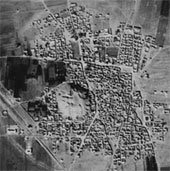
A new study of images from cold war intelligence satellites has tripled the number of ancient sites that archaeologists are known to date.
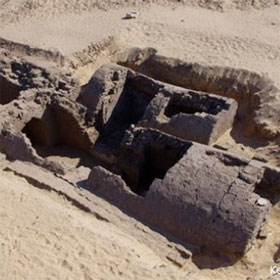
Recently, archaeologists have unearthed a grave in the ancient cemetery in Egypt. Interestingly, the tomb will open the entrance to the
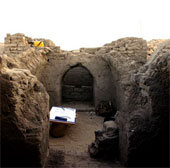
An ancient tomb of 3,300 years has mantras, mystical guardian charms that have just been discovered in a pyramid in Abydos, Egypt.

An ancient city built in China from 1,300 years ago still retains many intact structures despite being located deep below the artificial lake.
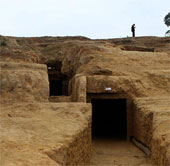
600 graves are buried beneath the rock and distributed on two newly found hills in Sichuan province.

In the recent expedition of Bolivia's Lake Titicaca lake, archaeologists found thousands of bone fragments, including many pieces of gold and silver, from 1,500 years ag…
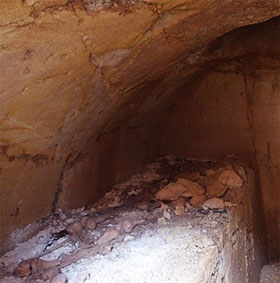
Archaeologists have unearthed an Etruscan tomb (an ancient Italian branch) in a small town about 80km northwest of Rome.
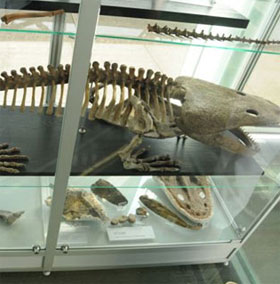
According to researchers, giant amphibian dinosaurs have once dug underground burrows to hibernate when water sources become scarce.